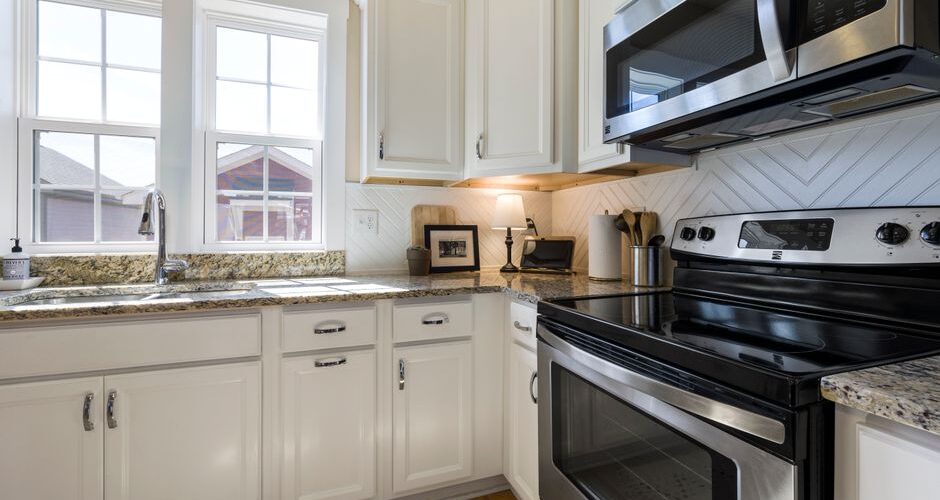
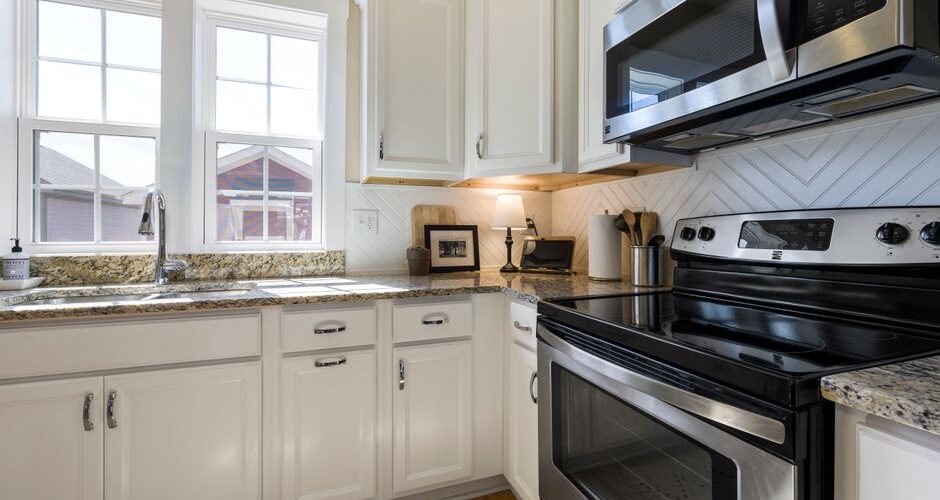

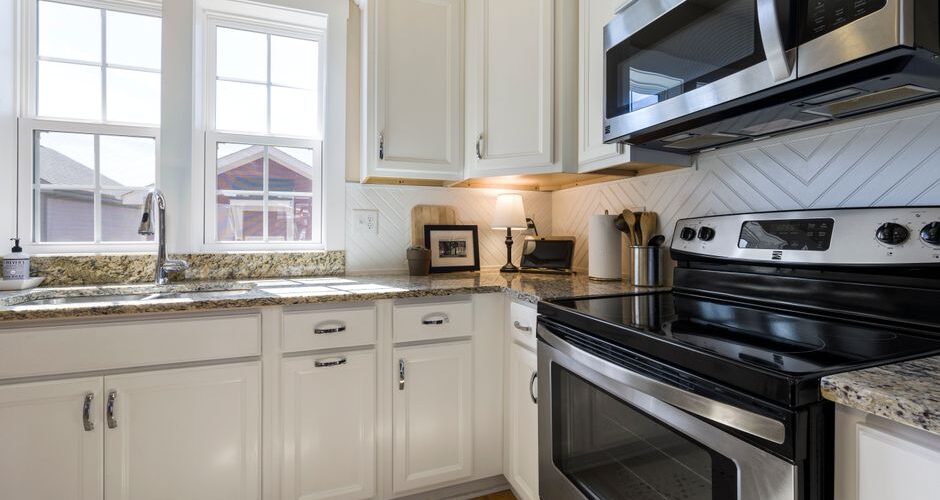
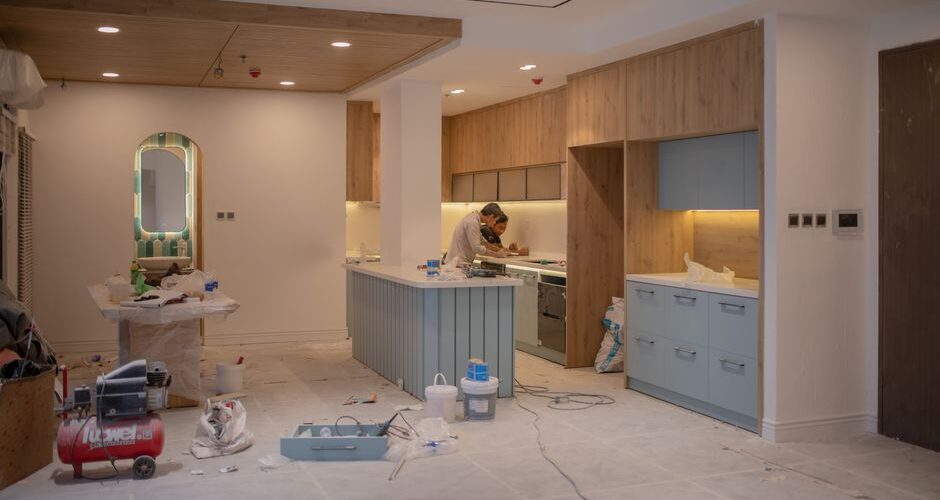
A full kitchen remodel can easily run north of $25,000 in the Denver metro area, a figure that stops many Castle Rock and Highlands Ranch homeowners in their tracks. Cabinet painting services Denver metro area offer a smarter path, one that preserves your existing layout while delivering a finish that looks factory-new. By the end of this guide, you will know exactly what the process looks like, how much it costs, how to choose a pro, and why a factory-finish approach beats the competition.
Table of Contents
-
How Much Do Cabinet Painting Services Cost in the Denver Metro Area?
-
How to Choose the Best Cabinet Painter in Denver, Castle Rock, or Highlands Ranch
-
Cabinet Painting vs. Refacing vs. Replacement – Which Is Right for You?
Why Choose Professional Cabinet Painting Over Replacement?
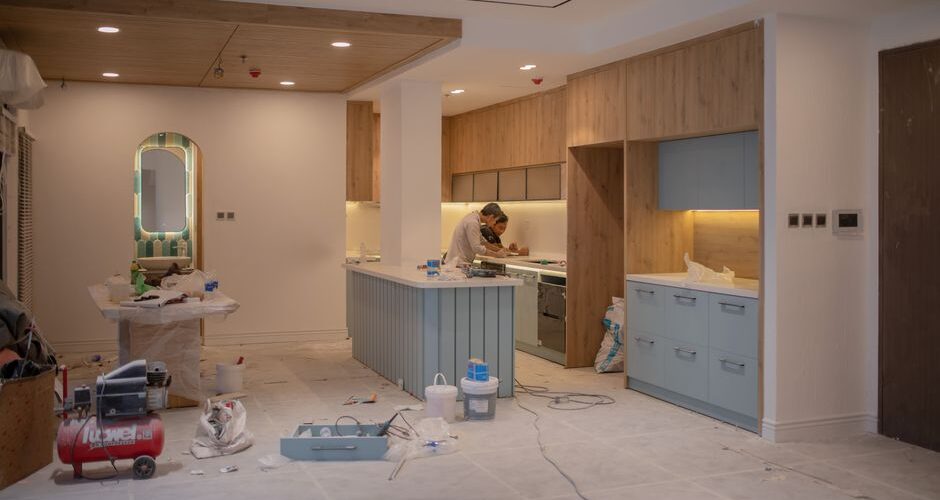
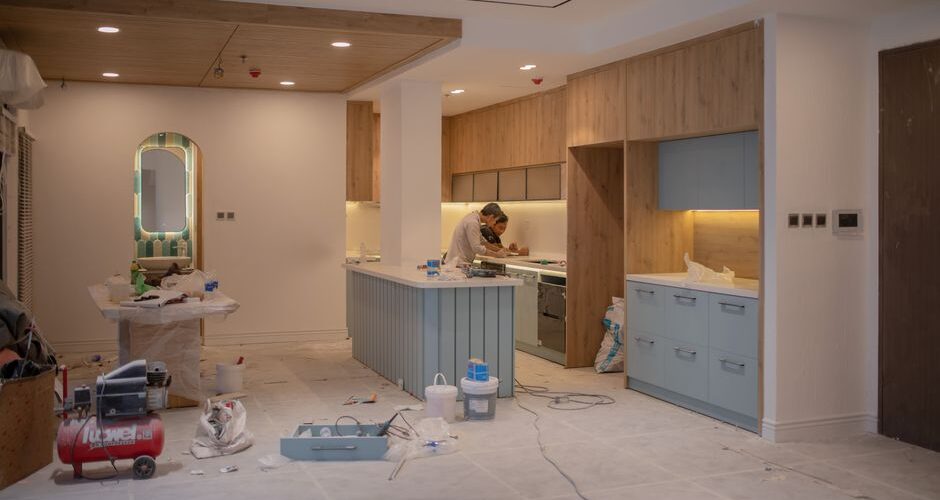
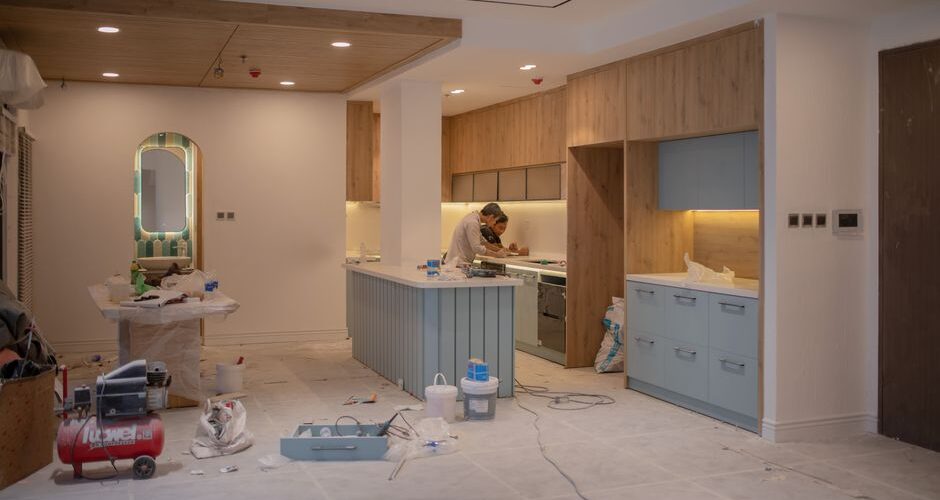
Replacing kitchen cabinets means demolition, dumpsters, permits, and weeks of takeout dinners. Professional cabinet painting sidesteps all of that. The cost lands roughly 50 to 70 percent below a full replacement, freeing up budget for countertops, backsplash, or new appliances. For a typical Denver kitchen, that is the difference between a $7,000 refresh and a $20,000 gut job.
Timeline is the second major advantage. Most professional projects wrap up in five to seven business days, with in-home disruption limited to two or three days. A full tear-out and rebuild can stretch to six weeks or longer. That speed matters when the kitchen is the hub of a busy household.
Denver’s housing stock makes the case even stronger.
Factory Finish Kitchen Cabinets
Looking for premium cabinets with a durable factory-applied finish?
View Dura Supreme Factory Finish Cabinets
Other Resources:
The 1980s building boom left thousands of homes with solid oak cabinets that are structurally sound but visually dated. Painting hides the heavy grain and golden tones, transforming the space without sending perfectly good wood to a landfill. A factory-quality spray finish updates the entire kitchen instantly, and the results hold up for years when applied by a skilled local crew.
What to Expect from a Professional Cabinet Painting Project
A professional cabinet painting project follows a disciplined sequence. Skipping steps is what leads to the estimated 60 percent DIY failure rate cited by local pros. Understanding the full process helps you evaluate contractors and set realistic expectations for your own kitchen.
The Multi-Step Process (Prep to Finish)
The project begins with an on-site consultation. A painter visits your home to measure cabinet runs, count doors and drawers, assess the existing finish, and discuss color options. This is the moment to match paint chips to your countertops and flooring, and to ask about sheen levels. A thorough consultation also surfaces potential issues, like water damage around the sink base or hinges that need replacement.
Surface preparation is where the real work happens. Every door, drawer face, and frame must be degreased to remove cooking oils, then sanded to create a mechanical bond for the primer. Dings and dents get filled and sanded smooth. This stage is non-negotiable. Paint applied over grease or glossy varnish will peel within months.
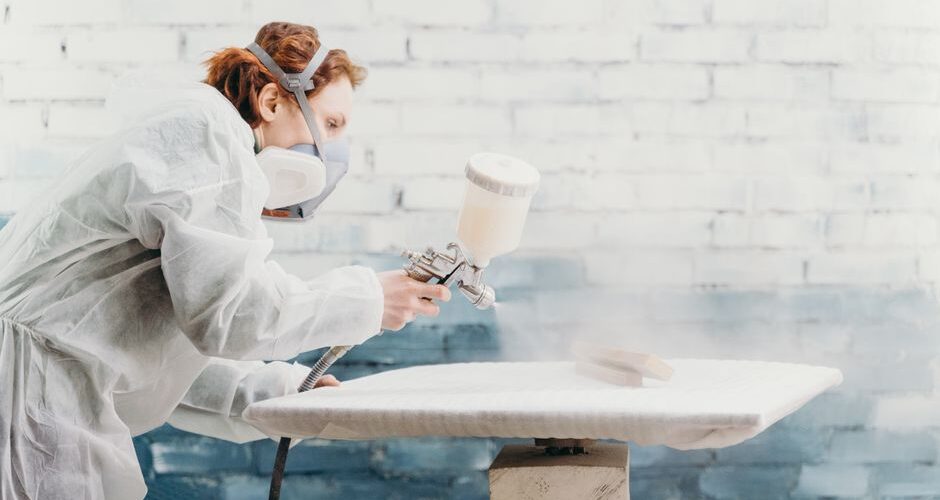
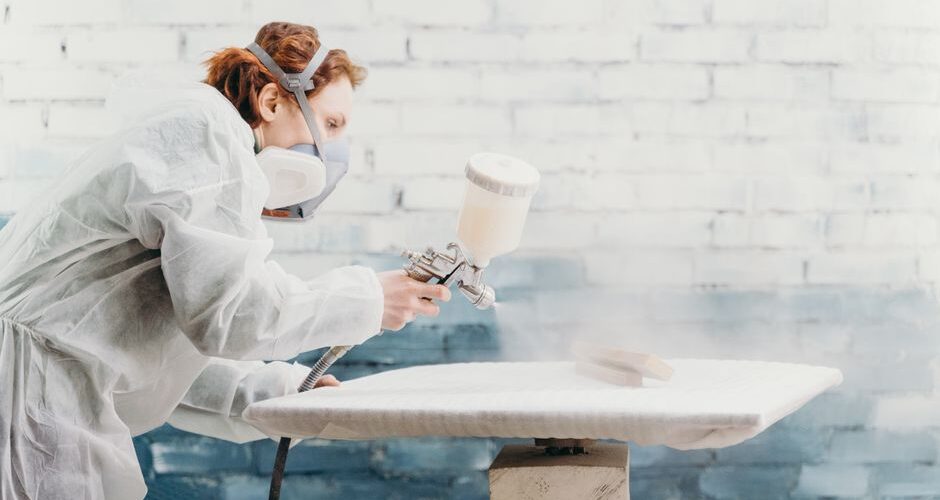
Once the surfaces are clean and profiled, a professional-grade primer seals the wood and blocks tannins from bleeding through the finish coat. Doors are typically sprayed in a controlled environment, either a shop or a mobile spray booth, while frames are masked and sprayed on-site. Multiple topcoats follow, with light sanding between coats to eliminate dust nibs and ensure adhesion. The result is a smooth, even finish with no brush marks or roller stipple.
Reinstallation brings everything back together. Doors are hung, drawers slide back in, and new hardware goes on. A final walk-through catches any touch-up needs before the crew packs up. The kitchen is fully functional the same day.
Get Factory Finish Tips at PaintingKitchenCabinet.com
Spray vs. Brush/Roll – Why It Matters
The difference between a sprayed finish and a brushed finish is visible from across the room. Spray application atomizes the paint into a fine mist that levels out on the surface, leaving a glass-smooth coat indistinguishable from a factory finish. Brush and roller work, by contrast, leaves texture: fine lines, stipple patterns, and lap marks that catch light and collect grime.
Some Denver companies spray doors off-site in a dedicated shop, which eliminates any risk of overspray drifting through your home. Others use mobile spray booths that set up in a garage or driveway, containing the mist while keeping the work on the property. Both approaches deliver professional results. What you want to avoid is a contractor who shows up with only brushes and rollers, especially if you have chosen a satin or semi-gloss sheen. Those finishes amplify every surface imperfection, and a brushed application will never achieve the smoothness of a properly sprayed cabinet.
How Much Do Cabinet Painting Services Cost in the Denver Metro Area?
No reputable cabinet painter will quote a price over the phone. Kitchen size, cabinet count, door style, existing finish, and desired color all shift the number. A small galley kitchen with flat-panel doors costs far less than a sprawling open-concept layout with raised-panel oak and island seating. That said, a typical Denver metro kitchen falls between $3,000 and $8,000 for a complete professional refinish.
Several factors push the quote toward the higher end. Oak cabinets, common throughout Castle Pines and Highlands Ranch, often require grain-filling to achieve a smooth, modern look. That adds labor and material. Custom colors, glazes, or multi-tone finishes also increase cost. Hardware upgrades, soft-close hinge retrofits, and drawer box repairs add line items that a basic paint-only quote will not include.
Compared to replacement, the math is straightforward. New mid-range cabinets for an average kitchen start around $12,000 to $15,000 installed, and premium options climb fast. Painting preserves the existing boxes and layout while delivering a comparable aesthetic refresh. In competitive Denver suburbs where buyers expect updated kitchens, a professional cabinet paint job can be the single highest-return project you undertake before listing.
How to Choose the Best Cabinet Painter in Denver, Castle Rock, or Highlands Ranch
The Denver market has no shortage of cabinet painters, but quality and reliability vary sharply. A systematic evaluation protects you from the communication breakdowns and dust-management failures that populate local Reddit threads.
What to Look For in a Local Pro
Start with longevity and reviews. Companies with several hundred Google reviews and a 4.8-star average or higher have survived in a competitive market for a reason. Look for painters who have been operating under the same name for years, not a new LLC with five reviews and a stock-photo website. A strong local reputation means they have painted cabinets in your neighbor’s kitchen and will treat yours with the same care.
Warranty terms reveal how much confidence a company has in its own work. Some Denver painters offer lifetime warranties with free yearly touch-ups. Others provide five- or seven-year limited coverage against peeling and cracking. A longer warranty signals that the prep and materials are built to last. Ask what the warranty actually covers and what would void it.
Process transparency separates pros from pretenders. A quality contractor will walk you through every step, from degreasing and sanding to primer type and topcoat brand. They will tell you where the doors are sprayed, how many coats they apply, and how long the cure time is before you can hang heavy pots on the door fronts. If a painter is vague about these details, keep looking.
Red Flags to Avoid
Vague pricing is the first warning sign. A quote that arrives without an on-site visit, or a number that seems suspiciously low, usually means corners will be cut. The “cheaper guys” mentioned in Denver homeowner forums often skip critical prep steps, leave dust throughout the house, and become unreachable when problems surface.
A lack of prep discussion is equally damning. If a painter does not mention degreasing, sanding, or priming in their pitch, assume those steps will not happen. Paint applied without proper prep will fail, and you will be paying someone else to fix it within a year.
Local references matter in a market with distinct housing eras. A painter who cannot show recent work in Parker, Castle Rock, or Castle Pines may not understand the specific challenges of 1980s oak, high-altitude curing conditions, or the expectations of Denver metro homeowners. Ask to see photos of completed projects in your area, and call a reference or two if you are on the fence.
Can You Paint Oak Cabinets Without the Grain Showing?
Oak cabinets dominate Denver’s suburban kitchens, a legacy of the 1980s construction surge that filled neighborhoods from Highlands Ranch to Castle Pines with golden-hued, heavy-grained cabinetry. Homeowners today often want the grain gone, seeking the smooth, flat look of painted MDF or maple. The good news: it is entirely possible with the right preparation.
The key is a high-build primer or dedicated grain filler applied before the finish coats. These products fill the open pores and level the surface. Sanding between coats knocks down any texture that rises as the material cures. A professional painter will repeat this cycle until the grain is sealed and invisible to the touch.
Sheen selection also plays a role. Satin and semi-gloss finishes are more forgiving than high-gloss, which acts like a magnifying glass on surface texture. A factory-finish spray system, applied by a painter who understands oak’s behavior, produces doors and frames that look like they were manufactured smooth. The transformation is dramatic, and it is one of the highest-impact updates you can make to a dated Denver kitchen.
Cabinet Painting vs. Refacing vs. Replacement – Which Is Right for You?
Cabinet painting is the right choice when your existing boxes are solid wood or plywood and free of structural damage. The process refreshes the visible surfaces at the lowest cost and with the shortest timeline. If the layout works and the boxes are sound, painting delivers the best return.
Refacing takes things a step further. The cabinet frames are covered with a matching veneer, and the doors and drawer fronts are replaced entirely. This option costs more than painting but less than full replacement. It is worth considering if your doors are damaged, warped, or a style you cannot stand, but the boxes remain in good shape.
Full replacement becomes necessary when the cabinet boxes are water-damaged, delaminating, or built from particleboard that has swollen beyond repair. It is also the only path if you want to change the kitchen layout, add an island, or reconfigure storage. A hybrid approach, offered by some Denver companies, paints the existing frames and installs brand-new doors, giving you a fresh door style without the expense of replacing the boxes.
Frequently Asked Questions About Cabinet Painting in Denver
How long does cabinet painting take? Most standard kitchens are completed in five to seven business days, with two to three days of in-home work for frame spraying and reinstallation. Doors are typically finished off-site or in a contained spray booth.
Is it worth painting kitchen cabinets? Yes, especially for Denver homeowners looking to update 1980s oak without a full remodel. The cost is a fraction of replacement, and the visual impact is immediate.
Who paints cabinets in my area? Look for locally owned companies with strong review histories serving Castle Rock, Castle Pines, Highlands Ranch, and Parker. A painter who knows the local housing stock will understand the specific challenges of Denver metro cabinetry.
What is the difference between cabinet painting and refacing? Painting coats the existing doors and frames with primer and paint. Refacing replaces the doors and drawer fronts entirely and applies a new veneer to the cabinet boxes, at a higher cost.
Get a Factory-Finish Look for Your Denver Metro Kitchen
A factory-finish cabinet paint job transforms your kitchen without the cost and chaos of a full remodel. The process is fast, the results are durable, and the value it adds to your home is real. If your kitchen is stuck in the 1980s but your cabinets are still solid, professional painting is the smartest investment you can make.
Schedule a free, no-obligation consultation to discuss your project. We serve Castle Rock, Castle Pines, Highlands Ranch, Parker, and the entire Denver metro area with a factory-finish process backed by a warranty that protects your investment. Your kitchen deserves a finish that looks original, and that is exactly what we deliver.