If your kitchen feels stuck in another decade but the layout still works, you are not alone. Homeowners across Douglas County are discovering that professional cabinet painters in Castle Rock, CO can deliver a factory finish that rivals a full replacement, at a fraction of the cost and disruption. This guide walks through what that finish actually means, how the process works, what you should expect to pay, and how to choose the right painter for a result that lasts.
Table of Contents
- Why Castle Rock Homeowners Are Choosing Cabinet Painting Over Replacement
- What Does "Factory Finish" Actually Mean? (And Why It Matters)
- The Professional Process: Step-by-Step to a Flawless Finish
- How Long Does a Factory Finish Last? Durability Expectations for Castle Rock Homes
- Cost Breakdown: What Castle Rock Homeowners Should Expect to Pay
- Timeline: From First Call to Finished Kitchen
- How to Choose the Right Cabinet Painter in Castle Rock
- Frequently Asked Questions About Cabinet Painting in Castle Rock
- Your Castle Rock Kitchen Deserves a Factory Finish
Why Castle Rock Homeowners Are Choosing Cabinet Painting Over Replacement
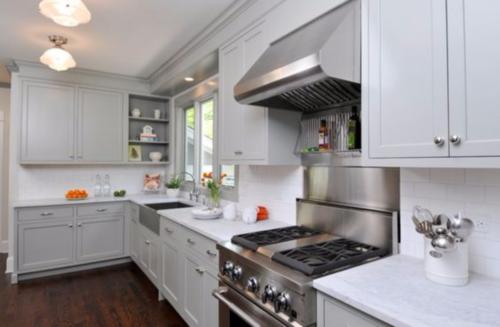
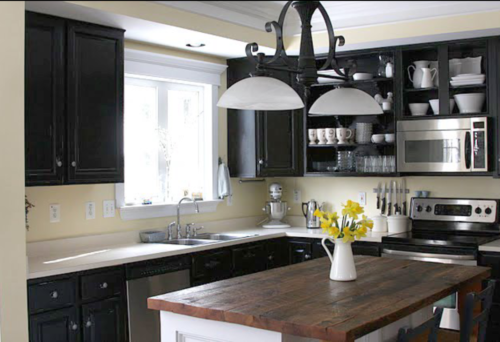
Cabinet painting typically costs 50 to 70 percent less than full replacement, a figure that resonates in a market where custom cabinetry is the norm and budgets matter. Castle Rock's housing stock includes many production-built homes with builder-grade cabinets that are structurally sound but aesthetically tired. Painting transforms these without the demolition dust, dumpster rental, and weeks of construction that a full remodel demands.
The "factory finish" promise is the key differentiator. Spray-applied, professionally cured coatings mimic the smoothness of commercial cabinet manufacturing, leaving no brush marks or roller stipple behind. For homeowners who like their kitchen's footprint but want a completely new look, this approach delivers a low-disruption path to a kitchen that feels brand new. There is also an environmental upside: fewer cabinets in the landfill and no need to tear out materials that still have years of useful life.
What Does "Factory Finish" Actually Mean? (And Why It Matters)
A factory finish is a multi-layer coating system applied via spray equipment in a controlled environment, then cured to a hard, durable surface. The term does not refer to a physical factory. It describes the result: a glass-smooth surface with even film thickness and zero application marks. When done correctly by a skilled professional, an in-home spray system can replicate or even exceed what comes off a manufacturing line.
The difference between a factory finish and a standard brush-and-roller paint job is immediately visible. Brush marks, roller stipple, and uneven film thickness are the hallmarks of conventional painting. Those imperfections trap grease and moisture, accelerating wear. The chemistry matters just as much as the application. Catalyzed urethanes, acrylic-polyurethane blends, and UV-cured nano coatings create cross-linked surfaces that resist moisture, grease, and impact in ways that standard paints cannot.
This is where many cabinet painting projects fail. General painters often use standard latex wall paint on cabinets, a product never designed for high-traffic, high-touch surfaces. Within months, the paint begins peeling at edges, chipping around knobs, and softening under repeated cleaning. A true factory finish uses cabinet-grade coatings formulated specifically for the abuse kitchen surfaces endure. The equipment and the chemistry together define the result.
The Professional Process: Step-by-Step to a Flawless Finish
Step 1 – Inspection and Surface Preparation
Every professional job begins with a thorough assessment of the cabinet material. Wood, MDF, laminate, and veneer each require different primers and paint systems, and a skilled painter identifies the right combination before opening a single can. Hardware removal follows: hinges, knobs, and drawer pulls come off, and every door and drawer front is labeled to ensure it returns to its original location. Cleaning and degreasing is the unglamorous step that makes or breaks adhesion. Kitchen cabinets accumulate cooking oils and grime that household cleaners cannot fully remove. Professional-grade degreasers strip the surface down to a bond-ready substrate.
Step 2 – Sanding, Priming, and Repair
Sanding creates a mechanical bond for the primer. Professionals use a combination of orbital sanders for flat surfaces and hand sanding for edges, profiles, and detailed areas. Every dent, scratch, and nail hole gets filled with wood filler and sanded flush. Damaged veneer is addressed before priming, not painted over and ignored. Primer selection is critical. Stain-blocking, high-adhesion primers prevent bleed-through from wood tannins and ensure the topcoat bonds properly. Skipping or rushing this step is the most common cause of premature finish failure.
Step 3 – Spray Application and Curing
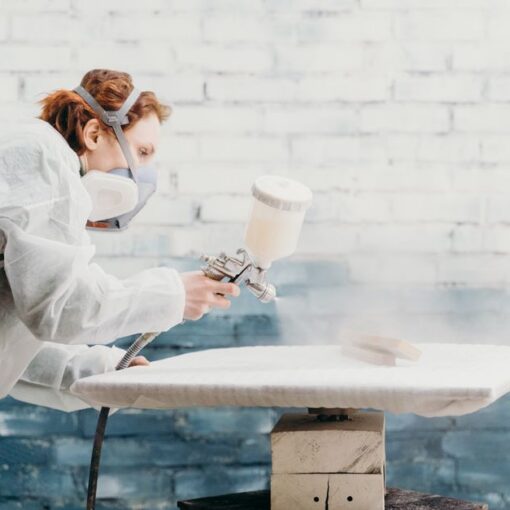
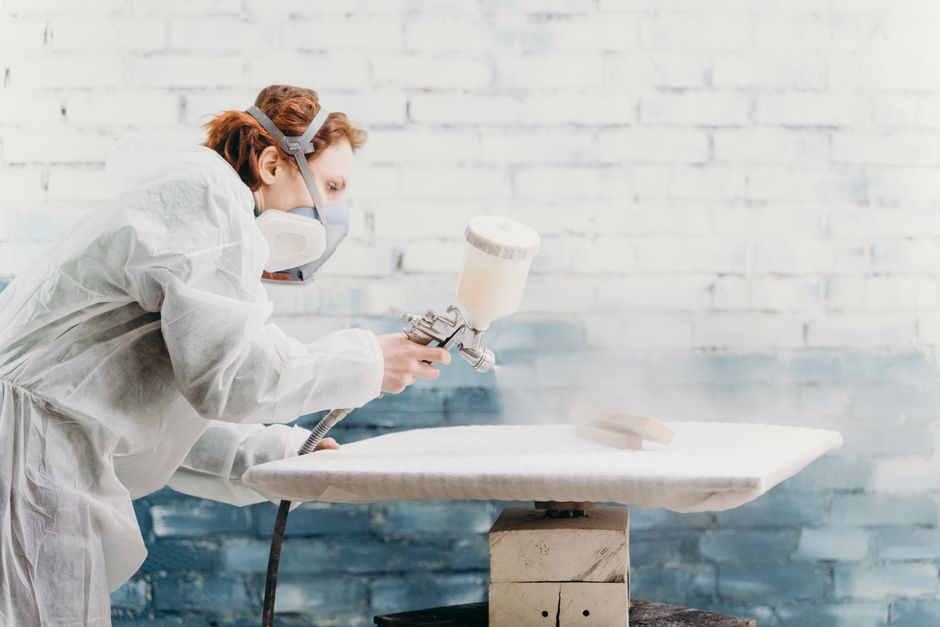
Spray equipment, typically HVLP or airless, applies thin, even coats that level out to a smooth surface. Multiple coats go on with proper drying time between each. Some advanced systems, including UV-cured nano technology used by top-rated local providers, allow same-day curing by using ultraviolet light to instantly harden the coating. Doors are typically sprayed off-site or in a dedicated spray booth to minimize overspray and dust contamination in the home. This controlled environment is what makes the factory finish possible, free from the airborne particles that settle into wet paint in an open kitchen.
Step 4 – Reassembly and Final Walkthrough
Hardware goes back on, doors are rehung and aligned, and drawers are adjusted for smooth operation. A final inspection covers coverage, finish consistency, and any touch-up needs. Professional crews leave the workspace clean, with no residue or debris left behind. The kitchen should look finished, not like a construction zone waiting for cleanup.
How Long Does a Factory Finish Last? Durability Expectations for Castle Rock Homes
The industry benchmark for professionally sprayed, cabinet-grade finishes is 8 to 10 years before a full refresh is needed. High-traffic kitchens, particularly those with young families or frequent cooking, may require touch-ups at the 3 to 4 year mark around handles and lower cabinets. These are normal wear patterns, not finish failures.
Several factors affect longevity. Frequency of use, exposure to steam and grease, the cleaning products applied, and the quality of the original prep work all play a role. Catalyzed and UV-cured finishes hold an advantage here: they are harder and more chemical-resistant than conventional latex or alkyd paints, standing up better to daily abuse.
What voids durability is predictable. Abrasive cleaners scratch the surface. Excessive moisture exposure, especially around dishwashers and sinks, can lift edges over time. DIY touch-up paints that do not match the original coating system create uneven wear patterns and adhesion problems. Always ask your Castle Rock provider about their workmanship warranty. Reputable companies stand behind their finish for at least 1 to 2 years, and that guarantee is a signal of confidence in their process.
Cost Breakdown: What Castle Rock Homeowners Should Expect to Pay
Professional cabinet painting in the Castle Rock area typically ranges from $4,500 to $9,000 for a standard 20 to 30 linear foot kitchen. The final number depends on cabinet count, door and drawer quantity, material type, existing damage, and the coating system selected. Laminate cabinets, for example, require specialized primers that add to the material cost. Specialty finishes like glazing, antiquing, or torching carry additional surcharges.
For context, full cabinet replacement in Castle Rock typically runs $15,000 to $30,000 and up for mid-range cabinetry, before installation. Painting represents a 50 to 70 percent savings while preserving the existing cabinet boxes and layout. Additional costs to clarify during the estimate include hardware replacement, interior cabinet painting, and any structural repairs needed before painting begins. Most reputable Castle Rock providers offer free, no-obligation estimates that include a detailed scope of work, so you know exactly what you are paying for before the project starts.
Timeline: From First Call to Finished Kitchen
A standard kitchen project takes 3 to 7 days, depending on the coating system and whether doors are sprayed off-site. A typical schedule looks like this: Day 1 covers inspection, hardware removal, and cleaning. Day 2 is sanding and priming. Days 3 and 4 are dedicated to spraying multiple coats with proper drying intervals. Day 5 brings reassembly and the final walkthrough.
Advanced systems can compress this significantly. UV-cured nano technology, for instance, can reduce the entire timeline to 1 to 2 days, with cabinets ready for use the same day they are sprayed. Factors that extend timelines include extensive repairs, large kitchens with high door counts, custom color matching, and weather conditions if doors are sprayed in an outdoor booth. Plan ahead and schedule your project when you can manage without full kitchen access for a few days. Your painter will advise on meal prep alternatives and which areas remain usable during the work.
How to Choose the Right Cabinet Painter in Castle Rock
Start with credentials. Licensed, insured, and bonded contractors protect you from liability. Check Colorado state licensing requirements and verify that any painter you consider meets them.
Look for specialization. Painters who focus on cabinetry, rather than general interior painting, have the dedicated spray equipment and experience necessary for a true factory finish. Ask to see portfolios with before-and-after photos of Castle Rock or Douglas County projects, specifically cabinet work. A general painter's portfolio of walls and ceilings tells you nothing about their cabinet capabilities.
Read reviews on Google, Yelp, and Houzz. Pay attention to how companies respond to negative feedback. A professional response to a complaint reveals more about customer service than a dozen five-star reviews. Get multiple estimates and compare scope, materials, timeline, and price. Be wary of quotes significantly below the market average. Cabinet-grade coatings and proper preparation take time and cost money. A low bid usually means corners are being cut somewhere.
Ask directly about the coating system. The best providers use cabinet-grade products such as acrylic-polyurethane blends, catalyzed lacquers, or UV-cured nano coatings, not standard wall paint. If a painter cannot name the product line they use or explains that "paint is paint," keep looking. For homeowners in the broader Denver metro area, the same standards apply whether you are searching for cabinet refinishing in Denver or a specialist closer to Castle Rock.
Frequently Asked Questions About Cabinet Painting in Castle Rock
Can laminate or thermofoil cabinets be painted?
Yes, with the right primer and paint system. Professionals can successfully coat laminate, melamine, and even stainless steel. The key is adhesion promotion and a coating flexible enough to move with the substrate.
Should I paint or replace my cabinets?
If your cabinet boxes are structurally sound and the layout works for you, painting is the cost-effective choice. Replacement is only necessary for severe water damage, delaminating veneer, or structural failure.
What is the best paint for kitchen cabinets?
Spray-applied, cabinet-grade urethanes or acrylic-polyurethane blends. Avoid standard latex wall paint. It is not formulated for the wear and cleaning demands of a kitchen.
Do I need to empty my cabinets before painting?
Yes. All items should be removed from cabinets and drawers to allow full access and prevent dust contamination. Your painter will need clear access to every surface.
How soon can I use my kitchen after painting?
With standard systems, allow 24 to 48 hours for light use before full loading. Advanced UV-cured systems allow same-day use once reassembly is complete.
Your Castle Rock Kitchen Deserves a Factory Finish
Professional cabinet painters in Castle Rock, CO deliver a factory-quality finish that transforms a kitchen at a fraction of replacement cost. The right provider brings specialized equipment, cabinet-grade coating chemistry, and a disciplined process that produces a durable, smooth result built to last a decade or more.
The next step is straightforward. Schedule free estimates from two or three local providers and compare their process, warranty, and pricing. Ask about their coating systems, see their portfolios, and trust your instincts on professionalism and communication. A factory finish is an investment in your home's most used space, and it is one that pays back every time you walk into a kitchen that looks exactly the way you want it to.