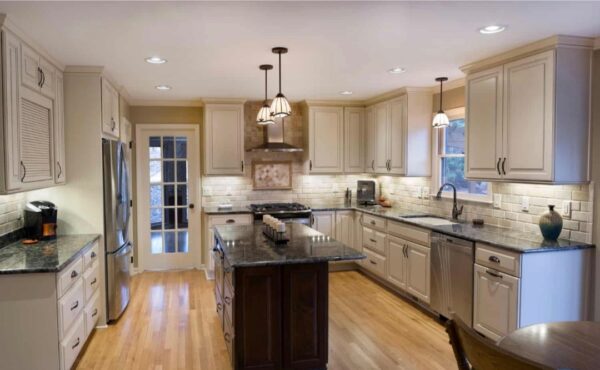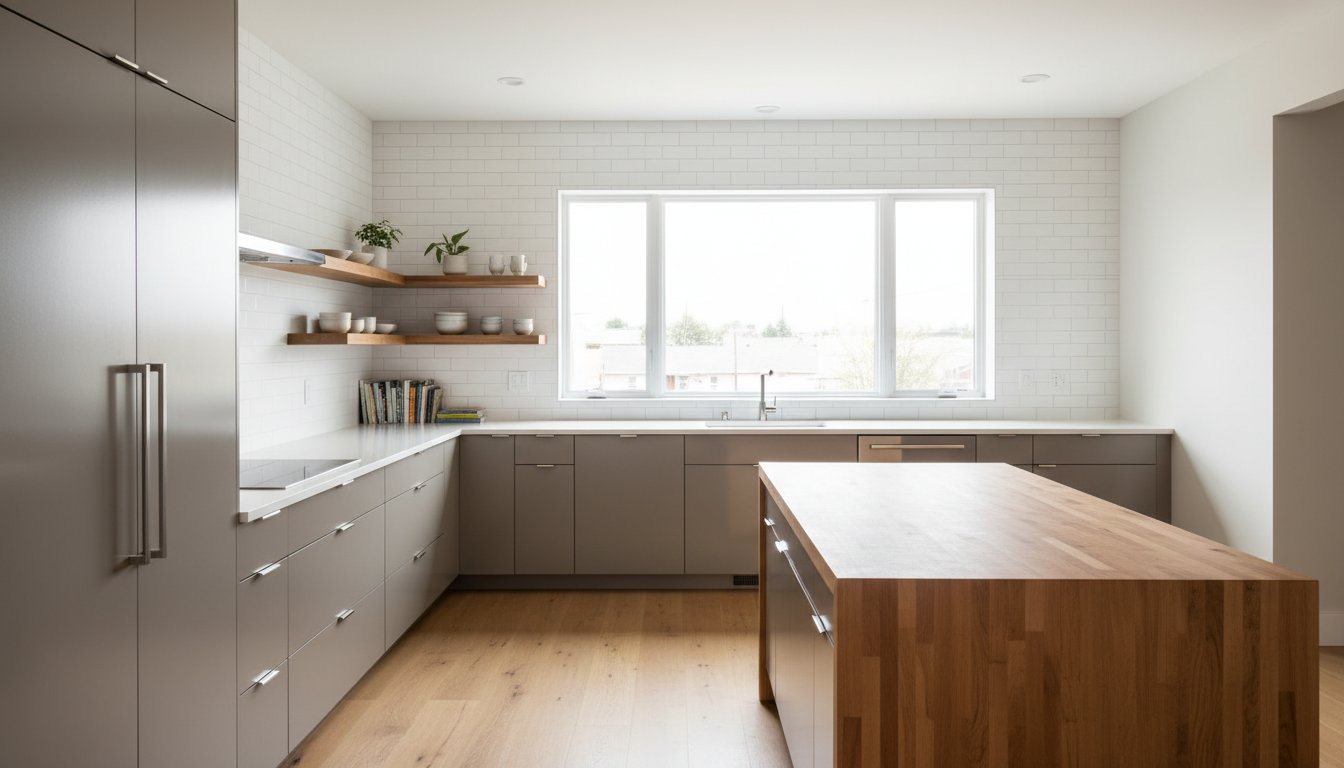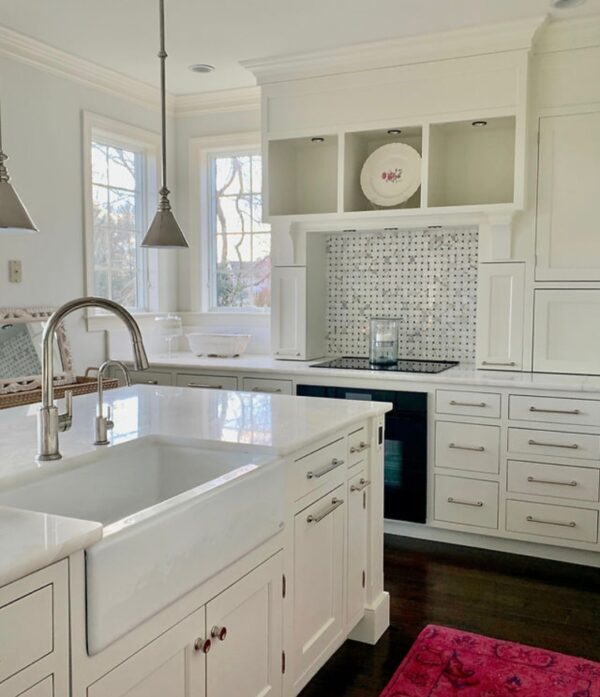
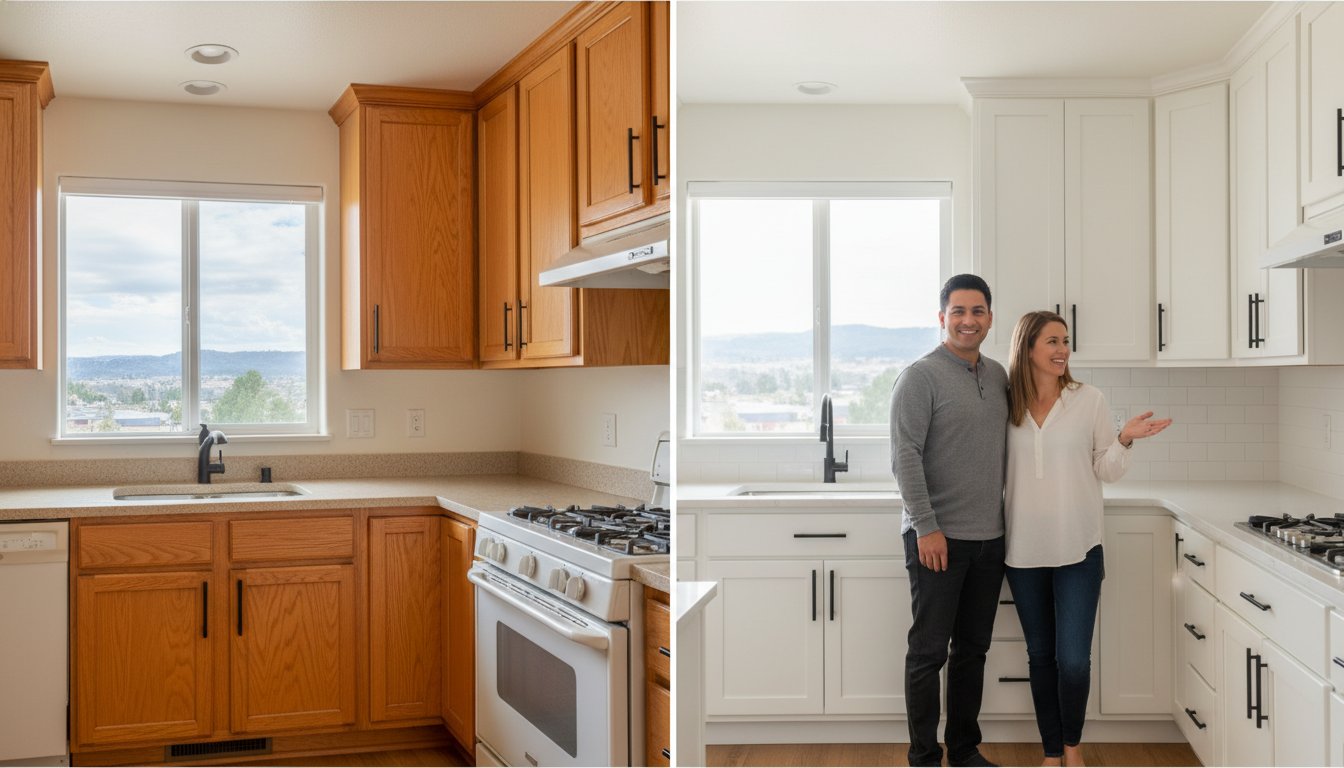
Is your kitchen stuck in the past, dominated by honey oak cabinets that now glow with an aggressive orange hue? If that dated, dark look is holding your home back, you understand the frustration. For too long, the only options seemed to be a messy, expensive gut renovation or living with the orange. There is a better, more durable solution. The most effective way to achieve a modern look is to properly update honey oak cabinets through professional refinishing, not just a coat of paint.
This 2026 guide will show you how to achieve that transformation the right way. Forget the fear of a cheap-looking job that peels and chips. We will detail the labor-intensive preparation and industrial-strength coatings that result in a smooth, durable factory finish-one that feels like brand new furniture and significantly increases your home’s value. Discover the expert strategies to turn your dated wood into a bright, modern masterpiece without the chaos of construction.
Key Takeaways
- Understand why honey oak cabinets turn orange and the crucial prep work needed to guarantee a durable, modern finish.
- Discover high-impact, non-paint strategies using hardware, lighting, and countertops to neutralize dated wood tones.
- Learn the technical steps required to properly update honey oak cabinets, avoiding common failures like tannin bleed and grain texture issues.
- Compare the significant cost savings of professional refinishing against the high expense of a full cabinet replacement for your kitchen project.
The Honey Oak Dilemma: Why Your 1990s Kitchen Feels Dated
If your kitchen was built between 1980 and the early 2000s, you likely have honey oak cabinets. Characterized by their distinct amber tone and heavy grain, these cabinets were the standard for decades. The problem is not the wood itself-it’s almost always high-quality, durable red oak. The issue is the dated appearance, which stems from an aging finish and a style that clashes with modern design.
The decision to update honey oak cabinets presents two main paths: working with the existing wood grain to tone it down, or a complete transformation through professional refinishing and painting. Understanding what makes these cabinets look dated is the first step in choosing the right, long-lasting solution.
Identifying the “Orange” Undertones and Cathedral Grain
That signature orange hue is not the natural color of the oak. It’s the result of decades of UV light exposure breaking down the original oil-based lacquer. This chemical reaction yellows the finish, amplifying the wood’s warm undertones into a bright, often-unflattering orange. The original wood finishing process used materials that simply were not formulated for modern longevity. Compounding this is the heavy, arching “Cathedral” grain pattern of the oak, a texture that feels busy compared to the clean, minimalist lines popular today. Despite this, these cabinets are workhorses, built with solid wood that is far superior to the particle board used in many new kitchens, making them prime candidates for a professional update.
The 2026 Modernization Outlook: Keep vs. Transform
While “warm wood” is returning to high-end design, the trend favors subtle, natural tones-not the heavy orange of 90s oak. The decision to keep or transform your cabinets is a practical one based on your kitchen’s existing conditions. A kitchen is a candidate for keeping the wood grain if it has an excellent, open layout and abundant natural light. In these cases, new hardware, countertops, and backsplash can sometimes be enough. However, for most homes, painting is the only effective solution. If your kitchen feels dark, cramped, or the layout is awkward, a professional, factory-finish paint job is the most powerful way to modernize the space, increase brightness, and create a clean foundation for other updates.
Technical Challenges of Updating Oak: Grain, Tannins, and Old Lacquer
Before you can successfully update honey oak cabinets, you must understand the material itself. Oak is not like other woods. Its unique properties, combined with decades-old factory finishes, make it one of the most difficult surfaces to paint correctly. The reason so many DIY projects fail within a year is a fundamental misunderstanding of the preparation work required. This isn’t just sanding and painting; it’s a labor-intensive process of deconstruction and reconstruction of the cabinet’s surface.
The original lacquer applied at the factory is an industrial-strength coating designed to resist wear, moisture, and, unfortunately, new paint. Standard paints from big-box stores are simply not formulated to bond with this type of non-porous, chemical-cured surface. This leads to chipping, peeling, and a finish that never truly cures, remaining soft and sticky. Prep work is the most vital factor in a durable, factory-grade finish.
Why Oak is the Hardest Wood to Paint Correctly
Oak is an open-grain wood, meaning it has deep, porous grooves. If not properly sealed, these pores trap air, which expands and contracts with temperature changes, creating bubbles and blisters that will eventually cause the paint to peel off in sheets. Using a “brush and roll” method only forces paint into this grain, creating a heavy, stippled texture that looks amateurish and cheapens the final result. Simple sanding is not enough; a chemical de-glosser is required to break down the original lacquer and create a surface that a new primer can actually grip.
The Problem with Grain Seepage and Tannin Bleed-Through
Oak is rich in natural oils called tannins. When you apply a water-based paint (like most latex house paints) directly over improperly sealed oak, these tannins will migrate or “bleed” through the new finish. This is why a beautiful white kitchen can turn a blotchy yellow or pink within months. The only way to stop this is to create an impermeable barrier. The interaction between wood acids and coatings is a complex chemical process detailed in technical resources like the U.S. Forest Service’s Wood Handbook, which is why a professional-grade, solvent-based or shellac primer is non-negotiable. This type of primer chemically blocks the tannins, ensuring your color stays true for years.
How to Update Honey Oak Cabinets Without Painting
While a professional factory finish is the ultimate solution, not every homeowner is ready for a full cabinet refinishing project. You can still make a substantial impact by strategically changing the elements around the cabinets. The key is to introduce high-contrast materials and colors that neutralize the inherent orange and yellow tones of the oak. If you want to update honey oak cabinets on a budget, focus on the surroundings first.
For the highest return on your investment, prioritize these non-paint updates:
- New Hardware: The fastest, most affordable change with a big visual impact.
- Modern Lighting: Proper lighting can completely change the perception of the wood’s color.
- Updated Backsplash: Creates a new focal point and provides a backdrop that tones down the oak.
- Strategic Wall Paint: The right color can either complement the oak or make it look more dated.
Modernizing with Hardware, Lighting, and Backsplashes
Think of hardware and lighting as the “jewelry” of your kitchen. Outdated, tarnished brass or polished silver pulls immediately age a space. Swapping them for hardware with a modern profile and finish is a critical first step. Matte black offers a stark, contemporary contrast that grounds the warm wood, while champagne bronze provides a sophisticated, updated warmth. For lighting, install under-cabinet LED strips. This eliminates the dark shadows that make oak kitchens feel gloomy and highlights your countertops, not the grain of the cabinets.
A new backsplash is another powerful tool. To pull the “orange” out of the wood, choose a backsplash in a cool-toned color. A simple white subway tile, a light gray glass tile, or even a patterned tile with cool blue or green accents will create a clean backdrop that balances the warmth of the cabinetry.
Color Theory: Best Wall and Countertop Pairings for Oak
Many homeowners make the mistake of painting their walls a warm beige or tan, thinking it will blend with the oak. This is incorrect. Pairing warm colors together only intensifies the orange and creates a “muddy,” dated effect. The principles of color theory demand contrast. As many outdated kitchen design trends fade, using saturated color to create visual interest is making a strong return. Opt for cool grays, deep navy blues, or rich forest greens on your walls. These colors have blue or green undertones that directly counteract the orange in the wood, making the cabinets look richer and more intentional.
Finally, nothing will update honey oak cabinets more effectively than replacing old, dark countertops. A clean, bright white quartz countertop is the ultimate modernizer. It reflects light, provides a crisp contrast to the wood, and serves as a neutral foundation for any other design choices you make.

The Professional Process for a Flawless Factory Finish
When you decide to truly update honey oak cabinets, the method matters more than anything. The difference between a temporary fix and a lasting transformation comes down to a professional process executed by a cabinet refinisher, not a general house painter. House painters are skilled at walls, but cabinets require specialized knowledge, tools, and industrial-strength materials to achieve a durable, smooth surface that withstands daily kitchen abuse for 10 years or more. At Painting Kitchen Cabinet Denver, our entire business is built on this specialized, labor-intensive process.
The distinction is critical:
- Cabinet Refinishers: Use industrial coatings, HVLP sprayers, and focus on meticulous surface preparation for a furniture-grade finish.
- House Painters: Often use standard latex wall paint, brushes, and rollers, which are completely unsuitable for the demands of high-touch kitchen cabinetry.
Our “spray only” philosophy is non-negotiable because it is the only way to achieve a flawless finish free of brush marks and roller stipple.
Why Brushing and Rolling Oak is a Recipe for Failure
The deep, prominent grain of oak is the primary reason DIY brush-and-roll jobs fail. Standard latex wall paint is too thick; it “gloops” into the wood grain, obscuring detail and creating a lumpy texture. Worse, this thick layer of paint never properly bonds to the slick, lacquered surface of old cabinets, leading to inevitable chipping and peeling. A professional “factory finish” is achieved with an HVLP sprayer that lays down thin, even coats of industrial-grade acrylics, resulting in a perfectly smooth surface that looks and feels brand new.
Industrial Pre-Catalyzed Primers and Spray Application
The secret to a finish that lasts is adhesion, and that starts with the right primer. We exclusively use industrial pre-catalyzed primers designed for maximum bonding to non-porous surfaces. Doors and drawers are sprayed in a controlled, clean-room environment to ensure a dust-free, flawless result. Ultimately, a true factory finish is a chemical bond to the wood, not just a layer of paint sitting on top of it. This is the core of our cabinet refinishing philosophy and the only correct way to update honey oak cabinets for long-term durability.
To see the results of this meticulous process, you can view our work at paintingkitchencabinet.com.
Transforming Your Denver Kitchen with Professional Refinishing
For homeowners serious about a lasting transformation, professional cabinet refinishing is the superior choice. Instead of a temporary DIY fix, you get a durable, factory-grade finish that completely modernizes your space. With over 45 years of experience in Denver cabinet restoration, we understand how to properly update honey oak cabinets to withstand the demanding Colorado climate and look brand new for years to come. Our process is labor-intensive, but the results speak for themselves.
The Cost-Benefit of Refinishing vs. Full Replacement
A full kitchen gut and cabinet replacement can easily cost $20,000 or more. In contrast, our professional refinishing service typically ranges from $3,000 to $7,000, delivering a complete transformation for a fraction of the price. The value extends beyond the initial cost. Many older honey oak cabinets are constructed from solid wood, a material far superior to the medium-density fiberboard (MDF) used in most modern “big box” cabinets. Refinishing preserves this quality craftsmanship while giving it a fresh, updated look.
Choosing to refinish is also an environmentally responsible decision, keeping perfectly good wood out of landfills. Our meticulous, prep-focused process ensures a stunning result in a surprisingly short time. A complete kitchen transformation is usually completed in just 5 to 7 days, minimizing disruption to your home.
Why Local Expertise Matters for Colorado Cabinets
Painting cabinets in Colorado is not the same as in other parts of the country. The high altitude, low humidity, and dramatic temperature swings directly impact how primers and paints dry and cure. Without deep knowledge of specialized materials and application techniques, a finish can fail prematurely. Our team has mastered working within these unique conditions, ensuring the industrial-strength coatings we use bond correctly for a finish that won’t chip, crack, or peel. This local mastery is why we are the trusted choice for homeowners from Denver to Boulder and across the metro area.
Don’t settle for a costly replacement or a DIY job that won’t last. Let the seasoned experts at Painting Kitchen Cabinets Denver provide a permanent solution. For a fast, no-hassle quote, text us your cabinet door count for an immediate accurate price.
Transform Your Kitchen: The Right Way to Update Honey Oak Cabinets
Leaving the golden glow of the 90s behind is a smart investment in your home. As we’ve covered, the key challenges with oak are its deep grain and old, failing lacquer, which demand professional attention for a lasting result. A true transformation isn’t about a quick coat of paint; it’s about meticulous prep work and using the right materials to guarantee a durable, flawless finish.
With over 45 years of experience in Denver, we understand exactly what it takes to do this job correctly. Our process relies on a factory-like spray finish-never brushes or rollers-and industrial-strength acrylic coatings that stand up to daily life. When you are ready to finally update honey oak cabinets, trust the experts who deliver a finish that is built to last. For a straightforward, accurate quote:
Text us the number of doors and drawers with pictures to get an accurate price immediately!
Your modern, beautiful kitchen is closer than you think.
Frequently Asked Questions About Updating Honey Oak Cabinets
Can you really paint over honey oak and hide the grain?
Yes, you can paint over honey oak and hide the grain, but it demands the correct professional process. The secret is in the prep work, specifically using high-build, industrial-strength primers designed to fill the deep grain of the oak. This is a labor-intensive step that amateur painters often skip, but it is absolutely essential for achieving a smooth, durable factory finish. Without proper grain filling, the texture will show through the final paint coat, resulting in an unprofessional look.
How much does it cost to update honey oak cabinets in Denver?
The cost to update honey oak cabinets in the Denver area is based on the size of your kitchen. On average, a professional project can range from $3,000 to $7,000, with the total number of doors and drawers being the main price factor. We make getting a price simple. For a fast and accurate quote, just text us pictures of your kitchen along with a count of your doors and drawers. We can provide a firm price immediately without a home visit.
How long do professionally painted oak cabinets last?
When done correctly with industrial-strength materials, a professional cabinet paint job will last for 10-15 years, and often longer. The durability comes from meticulous preparation and using precatalyzed lacquers and primers designed for high-traffic use, not standard house paint. Our factory finish process creates a hard, non-porous surface that resists chipping and daily wear. This is a long-term investment, unlike a DIY job that can fail in less than two years.
Is it better to re-stain or paint my oak cabinets?
For a true modern update, painting is almost always the superior choice. Re-staining honey oak is extremely difficult and labor-intensive because the old finish must be completely stripped to raw wood. It is also very hard to eliminate the underlying orange and yellow tones. Painting effectively covers the dated look, offers a limitless range of colors, and provides a clean, durable finish that completely transforms your kitchen’s appearance, which is what most homeowners want.
What is the best paint color to hide the orange in honey oak?
When you paint cabinets professionally, you are completely covering the wood, so any color will hide the orange. Popular choices that create a modern look include cool-toned whites like Sherwin-Williams Extra White, versatile light grays like SW Repose Gray, or even bold choices like navy or charcoal. The most critical step is using a high-quality stain-blocking primer. This ensures the orange and yellow tannins from the oak do not bleed through and discolor your new paint color over time.
Do I need to sand my cabinets before updating them?
Yes, sanding is a non-negotiable step in professional cabinet refinishing. Proper sanding is vital for two reasons: it removes the old, glossy topcoat and it scuffs the surface to create a “tooth” for the new primer to grip onto permanently. Without thorough sanding, the primer and paint will not adhere correctly, which guarantees peeling and chipping. Prep work, including sanding, is the most important factor in a job that lasts.
What is the difference between cabinet refinishing and cabinet painting?
While the terms are often used interchangeably, cabinet refinishing technically covers the entire process of changing the cabinet’s finish, which could mean re-staining or painting. Cabinet painting refers specifically to applying paint. At our company, we consider our service to be complete cabinet refinishing. Our process involves a full chemical cleaning, sanding, priming, and applying an industrial-strength topcoat for a durable, factory-like painted finish. It’s a full surface transformation.
How do I get an accurate quote for my kitchen cabinet project?
Getting an accurate quote from us is fast and straightforward, with no in-person appointment needed. Simply use your phone to take a few clear pictures of your kitchen that show all of the cabinets. Then, count the total number of cabinet doors and the total number of drawers. Text the pictures and the counts to our number, and our team will get you an exact price for your project immediately. This direct process saves you time and delivers the information you need.