What if transforming your outdated 80s kitchen in Denver could be done without a costly remodel? Many homeowners in Colorado feel overwhelmed by the thought of updating their kitchens, especially when budgets are tight and the options seem endless. If you’ve found yourself wondering how to update an 80s kitchen without making structural changes, you’re not alone. This guide will provide practical updates and solutions that can breathe new life into your space. You’ll learn how to achieve an affordable kitchen transformation that enhances both aesthetics and functionality. From simple cosmetic fixes to strategic updates, we’ll cover everything you need to know to create a modern kitchen in Denver that reflects your style.
Key Takeaways
- Learn how to identify and assess the outdated features of your 80s kitchen to prioritize effective updates.
- Discover impactful partial updates that can transform your kitchen’s look without the need for a full renovation.
- Explore affordable solutions and DIY options for upgrading your kitchen while maintaining quality craftsmanship.
- Understand how to update an 80s kitchen with durable materials to ensure your renovations stand the test of time.
- Gain insight into strategic layout changes that enhance functionality without requiring structural alterations.
Understanding 80s Kitchen Features
The 1980s were marked by distinctive kitchen designs that often prioritize style over function. Understanding the common features of an 80s kitchen is crucial when considering how to update an 80s kitchen effectively. From the materials used to the layouts, these elements can present both challenges and opportunities for modern renovation.
Common Materials and Layouts
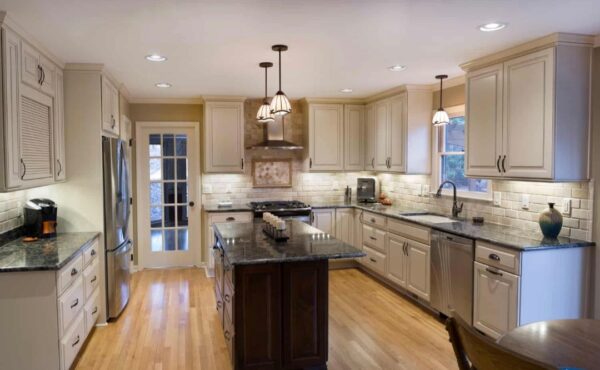
Kitchen materials popular in the 1980s include laminate countertops, oak cabinets, and ceramic tiles. Laminate was favored for its affordability and ease of maintenance, while oak cabinets offered a warm, traditional look that many homeowners appreciated. The typical kitchen layout often featured a U-shape or L-shape, maximizing counter space but sometimes sacrificing flow and accessibility.
- Laminate: Easy to clean but lacks the durability of modern materials.
- Oak cabinets: Sturdy but can appear dated and heavy.
- Ceramic tiles: Often used for backsplashes, they can be difficult to replace without extensive work.
These materials and layouts can clash with contemporary design trends that favor open spaces, minimalist aesthetics, and more durable materials such as quartz and stainless steel.
Design Limitations of the 80s
The functional limitations of 80s kitchen designs are evident. For instance, the focus on compartmentalization can lead to a lack of workflow efficiency. Many kitchens from this era do not accommodate modern appliances or smart technology, making them less functional than today’s standards require. Aesthetic drawbacks include dark wood tones and busy patterns that may feel overwhelming in a modern context.
- Limited storage: Original layouts often do not optimize vertical space.
- Outdated styles: Features like popcorn ceilings and floral wallpaper can detract from a clean, contemporary look.
- Inaccessible layouts: Traditional layouts may not support a communal cooking experience.
Step-by-Step Guide to Updating Your 80s Kitchen
Updating your kitchen from the 1980s can seem overwhelming, but with a clear plan and understanding of how to update an 80s kitchen, you can achieve a modern look without breaking the bank. Below, we provide a step-by-step guide that covers assessment, planning, and implementation.
Planning Your Kitchen Update
Start by assessing the current state of your kitchen. Identify which features are outdated and prioritize the most impactful updates. Consider factors such as:
- Cabinet condition: Are they structurally sound or do they need replacing?
- Countertops: Are they stained or chipped, requiring replacement?
- Appliances: Are they energy-efficient or outdated models?
Focus on changes that provide the biggest impact with minimal cost. For example, repainting cabinets or changing hardware can drastically alter the appearance without the need for major renovations. Research modern color palettes that work well in kitchens. Neutral tones combined with bold accents can offer a fresh look while maintaining a timeless appeal.
Implementing Your Updates
Once you have a plan, it’s time to implement your updates. Here are some practical steps to consider:
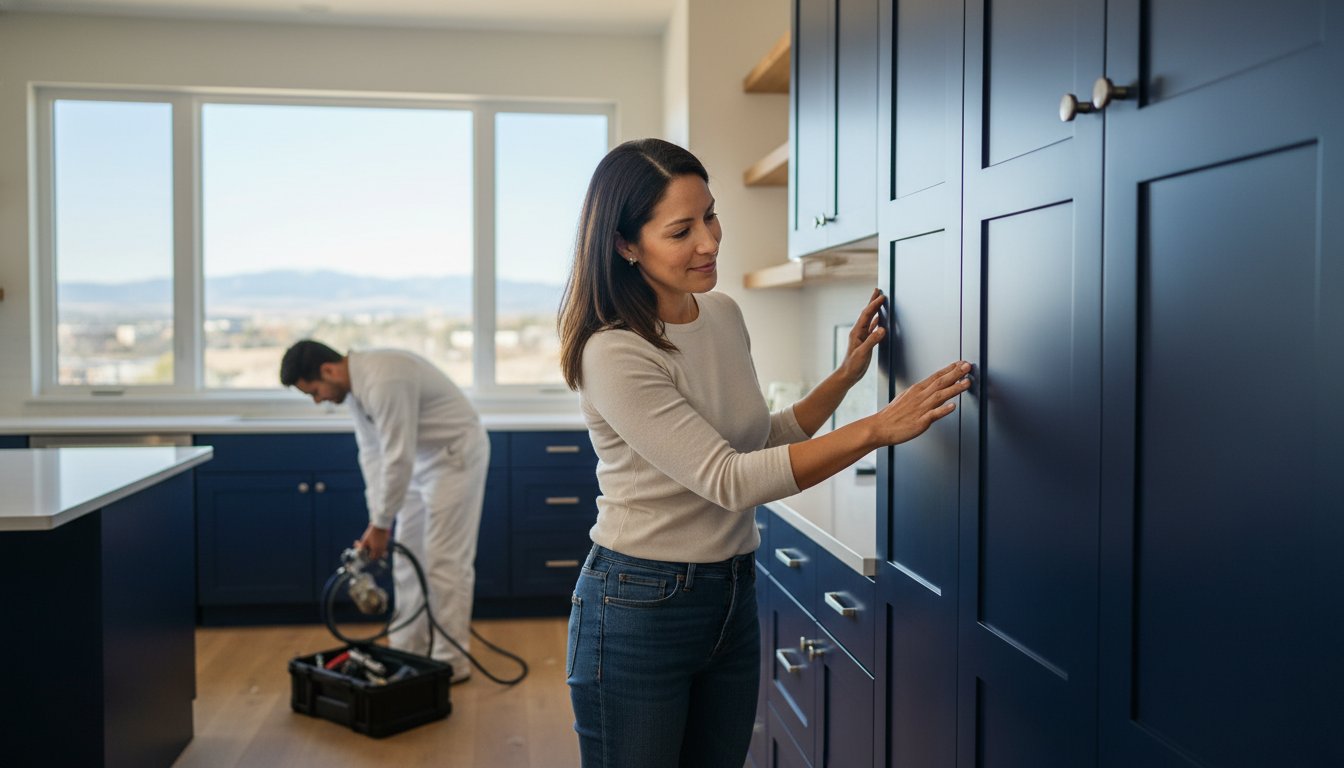
- Painting cabinets: For a modern look, choose a high-quality paint. A semi-gloss finish will provide durability and make cleaning easy. Proper preparation is key; ensure surfaces are sanded and primed for the best results.
- Replacing hardware: Opt for modern styles that complement your new color scheme. From sleek handles to minimalist knobs, new hardware can enhance the overall aesthetic significantly.
- Incorporating contemporary colors: Think about using trending colors like soft grays, deep navy, or muted greens. These shades can breathe new life into your space while keeping it stylish.
Remember, the updates you choose should reflect your personal style and the overall theme of your home. A well-planned transformation can make your kitchen not only functional but also a centerpiece of your home.
If you need assistance with your kitchen updates, consider reaching out for expert advice. Visit relevant anchor text for more information on quality cabinet refinishing services that can enhance your kitchen’s appeal.
Impactful Partial Updates for a Modern Look
When considering how to update an 80s kitchen, partial updates often present an effective solution without the time and cost associated with full renovations. These updates can yield a fresh, modern look while preserving existing structures and features. By focusing on high-impact areas such as cabinets and countertops, along with the transformative power of lighting, homeowners can achieve significant aesthetic improvements.
Focusing on Cabinets and Countertops
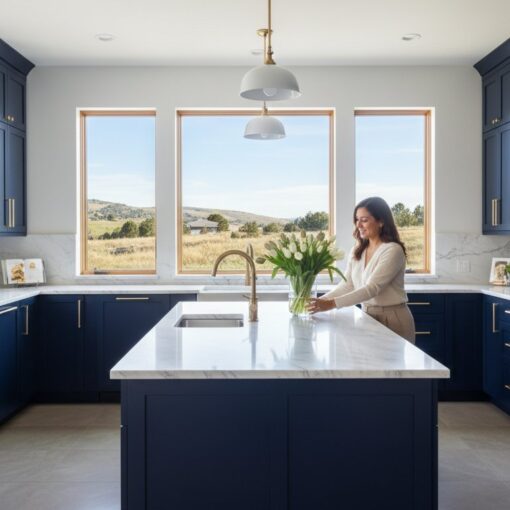
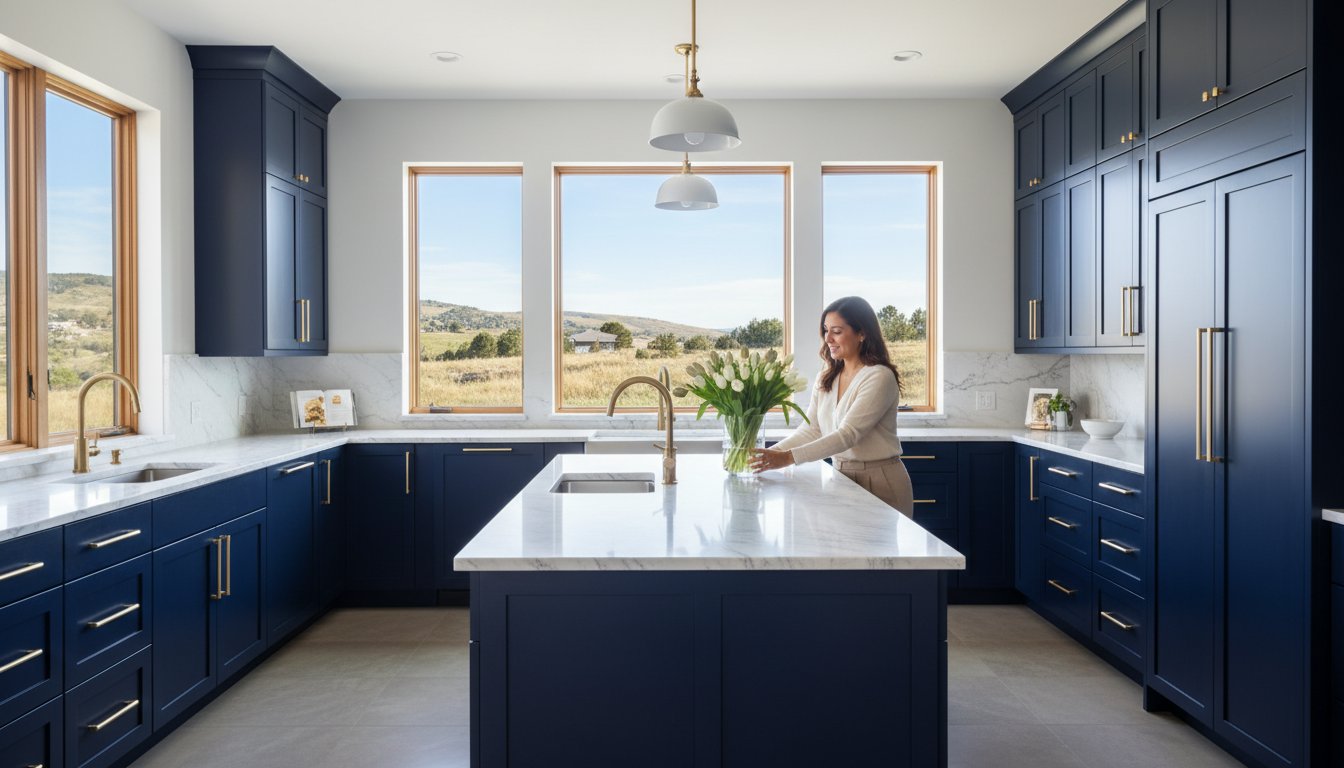
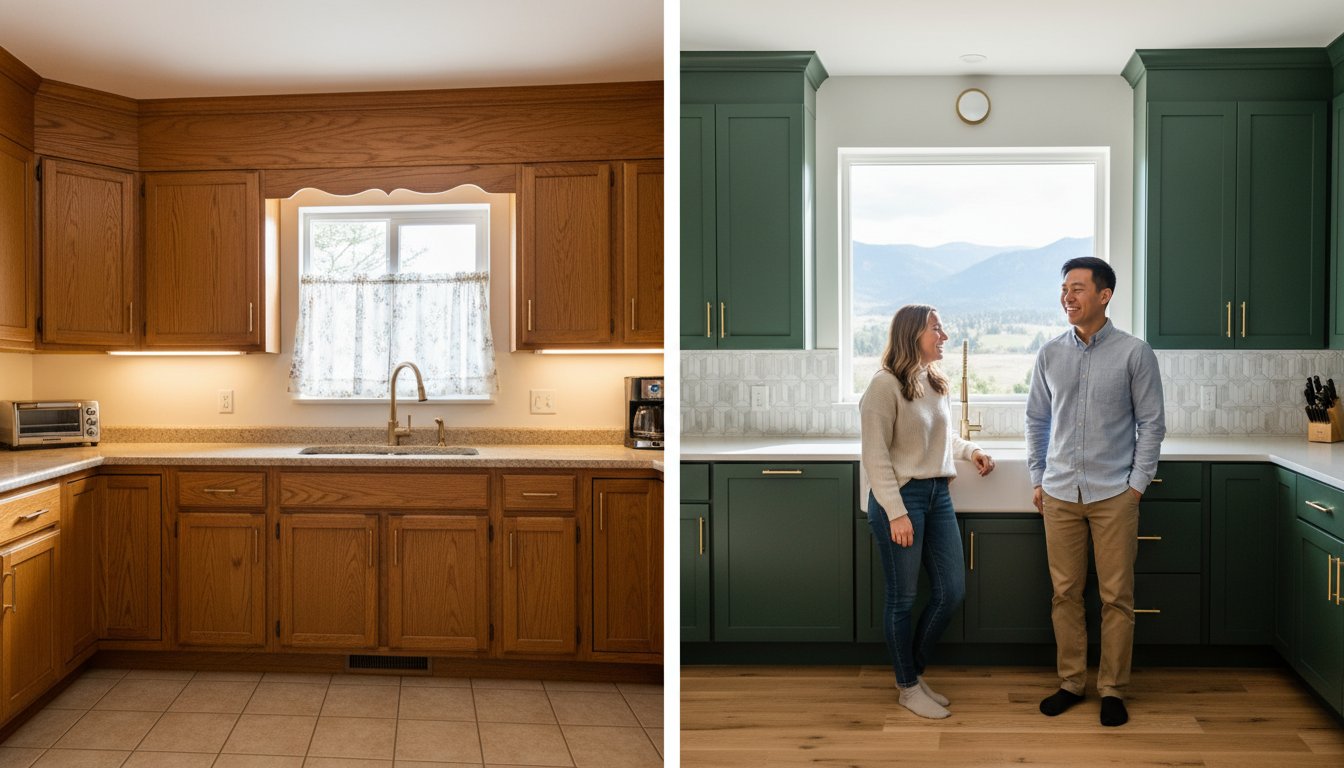
Cabinets and countertops are the focal points of any kitchen. Refacing or painting cabinets can dramatically change the room’s appearance. A professionally refinished cabinet can enhance the kitchen’s overall look, often at a fraction of the cost of replacement. Opting for modern colors, such as soft grays or deep navy blues, can breathe new life into outdated cabinetry.
When it comes to countertops, selecting materials that complement existing elements is crucial. Quartz and granite are popular choices due to their durability and aesthetic appeal. For instance, a white quartz countertop can create a clean, contemporary contrast against darker cabinets, making the space feel larger and more inviting.
For a detailed guide on achieving a flawless finish, refer to Cabinet Painting: The Professional’s Guide to a Flawless, Factory Finish.
Using Lighting to Transform Your Kitchen
Lighting plays a pivotal role in kitchen design and can significantly enhance the overall space. An effective lighting strategy can highlight key features, create ambiance, and even improve functionality. For an 80s kitchen, consider replacing outdated fixtures with modern pendant lights or recessed lighting. These options not only provide adequate illumination but also add a stylish touch.
Simple DIY updates, such as installing under-cabinet lights, can instantly brighten work areas and improve the kitchen’s aesthetic. LED strip lights are a popular choice due to their energy efficiency and versatility. They can be easily installed and provide a sleek, modern look that complements any style.
By focusing on these high-impact areas, homeowners can effectively update their kitchens without undergoing a complete renovation. The combination of refinished cabinets, modern countertops, and enhanced lighting can yield substantial improvements, making the kitchen a more enjoyable and functional space.
Affordable Solutions for Updating an 80s Kitchen
Updating an 80s kitchen doesn’t have to break the bank. There are numerous cost-effective updates that make a big difference. Whether you opt for DIY projects or hire professionals, knowing when to choose each option is key to staying within your budget. Here’s how to allocate funds wisely while ensuring that your updates also enhance your property’s value.
Budget-Friendly Materials and Techniques
When it comes to selecting materials, look for affordable options that deliver a modern aesthetic. For instance, laminate countertops can mimic the look of granite or quartz without the hefty price tag. Additionally, consider using vinyl flooring that imitates hardwood; it’s durable and easy to maintain.
Techniques like painting your cabinets can transform their appearance dramatically. A simple coat of high-quality paint can make old, worn cabinets look brand new, saving you the cost of replacements. Use a color that complements your overall kitchen theme, and don’t forget to invest in proper prep work to ensure a factory-like finish.
Professional Services Worth Considering
While DIY projects can save you money, some updates are best left to professionals. If your cabinets require extensive refinishing, hiring an expert will ensure a superior finish that you might not achieve on your own. The benefits of professional cabinet refinishing cannot be overstated; you receive a flawless finish that elevates the kitchen’s look and feel.
Industry leaders like Delta C9 demonstrate how professional remodeling standards can transform a dated space into a modern masterpiece, ensuring that every detail from cabinetry to layout is handled with precision.
For homeowners looking to understand the selection process, BC Interior Painting Pros offers a valuable guide on estimating and choosing professional painting services to ensure your kitchen update meets high standards.
As you budget for your kitchen update, allocate funds wisely across various projects. Start with essential updates that improve functionality, such as replacing outdated appliances or improving lighting. Once those are sorted, you can invest in aesthetic upgrades like backsplash tiles or modern fixtures. Remember, well-planned updates not only improve your kitchen’s look but can also boost your property’s value by as much as 15% according to recent real estate studies.
For more tips and expert advice, contact us today.
Maximizing Your Kitchen Update’s Longevity
Successfully updating your kitchen requires more than just a stylish design; it demands a commitment to maintaining the new features for long-lasting results. Knowing how to update an 80s kitchen effectively means selecting durable materials and adopting a routine of regular maintenance. Below are some essential strategies to ensure your kitchen updates stand the test of time.
Care and Maintenance of Modern Materials
Modern materials often come with impressive durability, but they still need care to maintain their appearance. Here are some routine cleaning tips:
- Routine Cleaning: Use mild soap and water for surfaces like quartz or granite. Avoid abrasive cleaners that may scratch the finish.
- Protective Measures: Apply coasters under hot pots and pans, and consider using cutting boards to avoid damaging countertops.
- Cleaning Products: Always check the manufacturer’s recommendations for cleaning products specific to your material. For example, use non-acidic cleaners on natural stone.
By following these simple maintenance tips, you can extend the life of your kitchen upgrades significantly.
Evaluating Long-Term Value
When updating your kitchen, it’s crucial to evaluate how these changes impact your home’s resale value. Kitchen remodels can yield a return on investment (ROI) of up to 80% according to the 2022 Remodeling Impact Report published by the National Association of Realtors. This number varies based on location, materials chosen, and the extent of the updates. Here’s how to gauge the value:
- Home Resale Value: A modern kitchen can be a significant selling point, attracting potential buyers who are willing to pay more for updated features.
- Calculating ROI: To calculate ROI, consider the total cost of your updates versus the increase in your home’s value after the renovations.
- Quality Matters: Investing in high-quality materials and professional craftsmanship, like that offered by Painting Kitchen Cabinets Denver, ensures that your upgrades not only look great but also last longer.
Ultimately, understanding how to update an 80s kitchen goes beyond aesthetics; it’s about making informed choices that enhance both your daily living experience and your property’s market appeal.
Transform Your 80s Kitchen Today
Updating your kitchen from the 80s can breathe new life into your home. Key elements to consider include understanding the unique features of that era, implementing impactful partial updates, and finding affordable solutions that fit your budget. Most importantly, knowing how to update an 80s kitchen effectively ensures your renovations stand the test of time.
If you’re ready to take the next step in your kitchen transformation, don’t hesitate to reach out. With over 45 years of experience, we specialize in delivering a factory-like finish with our cabinet refinishing services across the Denver metro area. Get started on your project today by requesting a quote. Your dream kitchen is just a step away, and we’re here to help make it a reality!
Frequently Asked Questions
What are the best ways to modernize an 80s kitchen on a budget?
To modernize an 80s kitchen on a budget, focus on cosmetic updates. Painting cabinets can drastically change the look; use high-quality, durable paint for a factory finish. Replace outdated hardware with modern knobs and pulls, which is a cost-effective way to add style. Additionally, consider updating light fixtures and adding a stylish backsplash to elevate the space without breaking the bank.
How can I update my kitchen without a full renovation?
You can effectively update your kitchen without a full renovation by making strategic changes. Start with painting cabinets and walls to refresh the space. Replace old appliances with energy-efficient models that offer a modern look. Lastly, consider adding open shelving or decorative elements that reflect contemporary design trends, which can create a fresh vibe without the need for extensive remodeling.
Is it worth painting old kitchen cabinets?
Yes, painting old kitchen cabinets is often worth it, especially for an 80s kitchen. A fresh coat of paint can transform the appearance of your cabinets, making them look brand new. This cost-effective solution can enhance the overall aesthetic of your kitchen while increasing its value. Choose a high-quality paint designed for cabinetry to ensure durability and a professional appearance.
What modern materials can replace 80s kitchen features?
Modern materials that can replace outdated 80s kitchen features include quartz or granite countertops, which provide a sleek look and durability. Consider using glass or ceramic tiles for backsplashes to add a contemporary touch. For flooring, luxury vinyl or hardwood can replace old linoleum, offering both style and longevity. These materials not only enhance aesthetics but also improve functionality.
How do I choose the right colors for a kitchen update?
Choosing the right colors for a kitchen update involves considering both personal preference and current trends. Neutral colors like whites, grays, and beiges are popular for a timeless appeal. You can add pops of color through accessories or an accent wall. Use color swatches to visualize how different shades work together in your space, ensuring they complement your existing features.
What are some common mistakes to avoid when updating a kitchen?
Common mistakes when updating a kitchen include underestimating the importance of preparation, particularly when painting cabinets. Skipping this step can lead to an unsatisfactory finish. Another mistake is choosing trendy designs that may not stand the test of time; aim for a balance between trendy and timeless. Lastly, neglecting proper lighting can hinder the overall functionality and ambiance of your kitchen.