
Yes, factory-finish cabinet painting is worth it for Denver kitchens because doors and drawers sprayed in a controlled shop with low-VOC lacquer, then reinstalled, is the only finish that survives Denver's altitude, UV, and single-digit humidity for 10+ years. Brush-and-roller jobs done in the home typically chip and peel within 6 to 12 months in this climate. Cabinet, painting, and refinishing Denver CO. in Castle Rock CO, Castle Pines CO, Highlands Ranch CO, and Parker CO are Factory Finish Specialists with 45+ years, serving Cherry Creek, Washington Park, and Hilltop with a 3 Year Warranty and a factory finish, not a brush job.
Table of Contents
- What is factory-finish cabinet painting, and how is it different from a brush-and-roller job?
- How long does a factory-finish actually last in Denver's climate?
- What does your spray process look like, and will we still be able to live in our home?
- What does factory-finish cabinet painting cost in Cherry Creek, Washington Park, and Hilltop in 2026?
- Why does lacquer beat latex at Denver's altitude, UV, and humidity?
- How does Cabinet, painting, and refinishing Denver CO. deliver a factory finish in Castle Rock, Castle Pines, Highlands Ranch, and Parker?
- Can you paint cabinets without sanding, and other questions Denver homeowners ask
- Key Takeaways
- References
What is factory-finish cabinet painting, and how is it different from a brush-and-roller job?
Factory-finish cabinet painting means doors and drawer fronts are removed, sprayed in a shop booth with one primer coat plus two finish coats, sanded between coats, then reinstalled. No brushes or rollers touch the visible surfaces of the face frames.
The contrast with in-home brush-and-roll work is stark. Colorado Cabinet Painting sprays doors at its shop but brush-and-rolls the boxes in the home. 5280 Cabinet Coatings paints doors and drawer fronts in a controlled shop environment and does not spray in the home or garage at all.

Brushed latex lays down a thinner, softer film with visible lap marks and brush ridges that trap grease and moisture. Those ridges become failure points. In Denver's dry air, water pulls out of latex so fast that the film never fully cures hard. That is why brush jobs chip and peel in 6 months here, not 6 years.
Shop spraying also means no overspray in your kitchen, no plastic sheeting over your counters, and no fumes settling into your home. The mess stays in the booth, not in your living space.
How long does a factory-finish actually last in Denver’s climate?
A properly sprayed low-VOC lacquer finish holds 10+ years with normal use, versus 6 to 12 months for a typical brush-and-roll job in Denver's dry air. The difference comes down to chemistry and cure time.
Lacquer cures to a hard, cross-linked film rather than drying soft like latex. That hard film resists chipping at drawer pulls and door edges, the two places where brushed finishes fail first. Denver's single-digit winter humidity accelerates latex failure because the film never reaches full hardness.
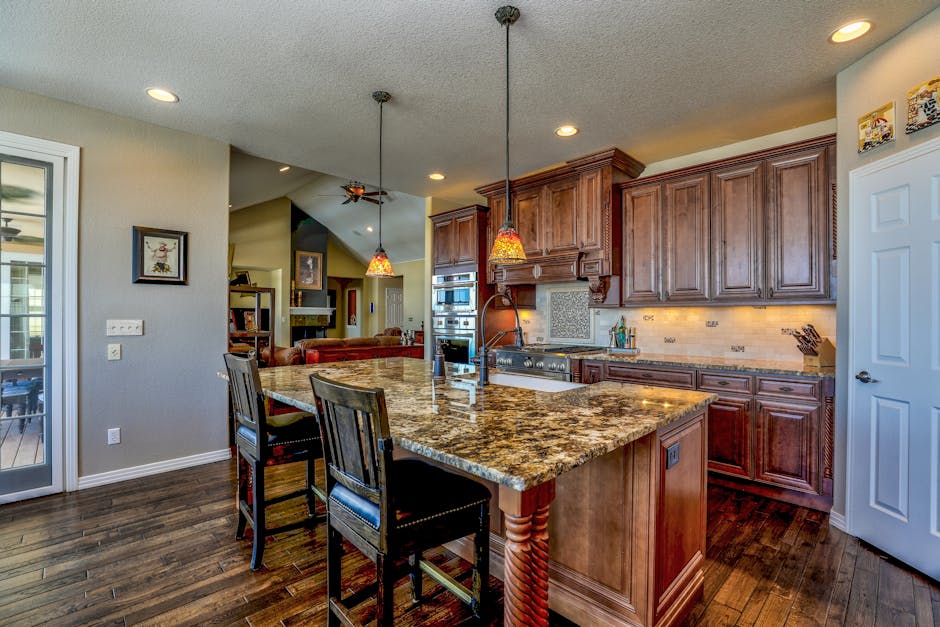
Local shops stand behind this durability with real warranties. 5280 Cabinet Coatings offers a 5-year warranty against paint peeling or cracking. Cabinet Painting Denver offers a 3-year warranty. Those warranty terms show how long shop-based finishers are willing to stand behind a sprayed finish in this climate.
N-Hance of Denver uses a Lightspeed Nano Curing System that instantly hardens the finish, which shows how seriously shop-based finishers treat cure time. Maintenance is simple: wipe with a damp cloth and diluted Dawn for grease buildup. No waxing, no repainting.
What does your spray process look like, and will we still be able to live in our home?
Yes, you can live in your home during a factory-finish cabinet job. Doors and drawers come off and go to the shop. Boxes get prepped and finished on-site. Doors are sprayed, cured, and reinstalled. Most Denver jobs run about one week.
Colorado Cabinet Painting gives a concrete schedule: door pickup Monday, door installation Friday, a five-day job. 5280 Cabinet Coatings completes 90% of kitchens in one week with normally only 2 days spent in the home. N-Hance of Denver states most cabinet refinishing projects are completed in five days or less.
No brushes or rollers touch the finish, and no spraying happens in your home or garage. Your kitchen stays livable and your counters stay clean. Prep detail matters: Bondo is applied after primer to cover imperfections, with sanding between each coat. That is the difference between a finish that looks sprayed and one that looks painted.
What does factory-finish cabinet painting cost in Cherry Creek, Washington Park, and Hilltop in 2026?
Factory-finish cabinet painting in Cherry Creek, Washington Park, and Hilltop prices higher than the Denver average because those kitchens have more doors, taller cabinets, specialty units, and often inset doors with custom color work. The honest range anchor comes from CertaPro, which lists average cabinet painting estimates above $1,500 in the Denver area. That figure reflects brush-and-roll work, not shop-sprayed factory finish.
Painting is still far cheaper than refacing or replacing. 5280 Cabinet Coatings states customers save thousands over refacing or replacement. Denver Cabinet Painters states painting is generally less expensive than refacing. Kitchen and bath remodels deliver the highest return on investment of any home project, according to Denver Cabinet Painters, so the finish is the cheapest visible upgrade in the house.
What drives the number is door count, finish sheen, color changes, and whether boxes need repair. No honest shop quotes a flat price sight unseen.
Why does lacquer beat latex at Denver’s altitude, UV, and humidity?
Lacquer beats latex at Denver's altitude because at 5,280 feet the air is thinner and drier. Water-based latex flashes off too fast to level or cure hard. The film skins over before the water leaves, leaving a soft, weak layer that chips at the first drawer pull.
UV exposure is the second factor. South- and west-facing kitchens in Denver take intense sun through windows. Soft latex films chalk and yellow under that UV load. Cured lacquer holds color because the cross-linked film resists UV breakdown far better than a thermoplastic latex film.
Dry air is the third factor. Single-digit winter humidity pulls moisture out of wood and paint alike. Flexible latex stretches and cracks at seams as wood moves. A hard lacquer film stays put because it does not flex the same way.
Low-VOC water-based cabinet coatings from shop-based finishers like 5280 Cabinet Coatings and low-VOC processes with no lingering odors from N-Hance of Denver outperform big-box latex on every one of these fronts. Oak, the most common Denver cabinet popular in the 1980s according to Denver Cabinet Painters, has open grain that needs proper prep and primer or the finish telegraphs every pore.
How does Cabinet, painting, and refinishing Denver CO. deliver a factory finish in Castle Rock, Castle Pines, Highlands Ranch, and Parker?
Cabinet, painting, and refinishing Denver CO. delivers a factory finish as Factory Finish Specialists with 45+ years, serving Castle Rock, Castle Pines, Highlands Ranch, Parker, and the Denver metro including Cherry Creek, Washington Park, and Hilltop. The process runs the way a factory finish should: doors and drawers removed, sprayed in the shop, no brushes or rollers, then reinstalled. Your home stays livable throughout.
The finish is low-VOC lacquer, shop-sprayed, dust-free, built to hold 10+ years in Denver's climate. The warranty and differentiator are stated exactly as offered: 3 Year Warranty, Factory Finish NOT A BRUSH JOB. Call for a factory-finish quote.
paintingkitchencabinet.com is the Factory Finish Specialists with 45+ years. The real-job gallery shows recent Denver kitchens, not stock photos, so you can see actual sprayed lacquer work in this market before you commit.
Can you paint cabinets without sanding, and other questions Denver homeowners ask
It depends. N-Hance of Denver states its process eliminates sanding. Colorado Cabinet Painting and 5280 Cabinet Coatings both describe sanding or prep steps. A factory finish depends on prep, so be skeptical of any no-prep promise on oak, which has open grain that telegraphs through thin finishes.
Cost: CertaPro lists average cabinet painting estimates above $1,500 in Denver. Factory finish prices by door count, not by the hour.
Timeline: most jobs finish in about a week, with 2 days or less in the home, according to Colorado Cabinet Painting, 5280 Cabinet Coatings, and N-Hance of Denver.
Is it worth it: yes if the boxes are solid. Painting beats refacing and replacing on cost, and kitchens return more than any other remodel, per Denver Cabinet Painters. The 2026 color question has no source in this research pack that states cabinet color trends, so the finish matters more than the trend.
Key Takeaways
- Factory-finish means doors and drawers sprayed in a shop with low-VOC lacquer, one primer coat plus two finish coats, sanded between coats, then reinstalled.
- Brush-and-roller jobs chip and peel in 6 to 12 months in Denver's dry, high-UV, high-altitude climate; a sprayed factory finish holds 10+ years.
- Most Denver cabinet painting jobs run about one week, with only 2 days or less spent working inside the home.
- CertaPro lists average Denver cabinet painting estimates above $1,500, and that figure reflects brush-and-roll work, not shop-sprayed factory finish.
- Painting cabinets costs thousands less than refacing or replacing, and kitchen remodels return more than any other home project.
- Oak is the most common Denver-area cabinet, popular in the 1980s, and it needs proper prep and primer before any finish will hold.
- Cabinet, painting, and refinishing Denver CO. serves Castle Rock, Castle Pines, Highlands Ranch, Parker, Cherry Creek, Washington Park, and Hilltop with a 3 Year Warranty.