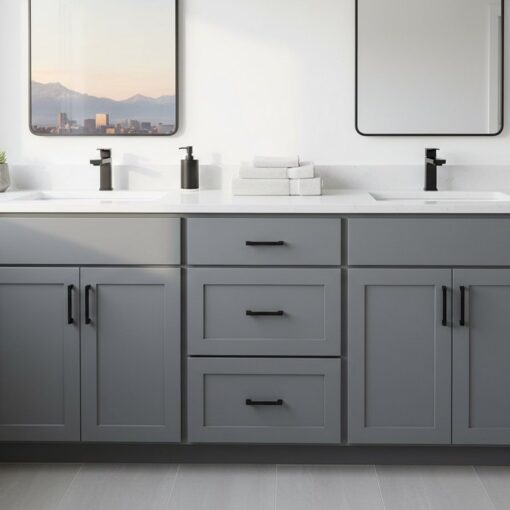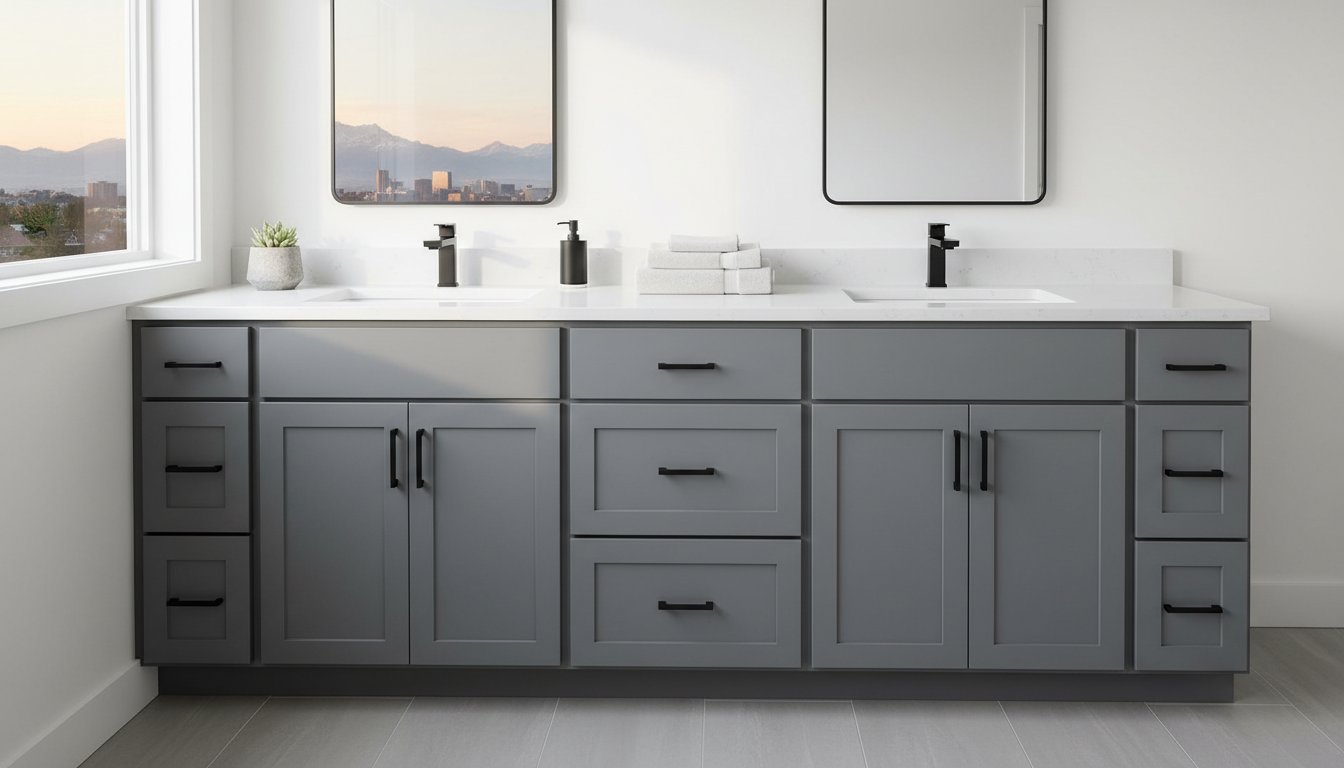
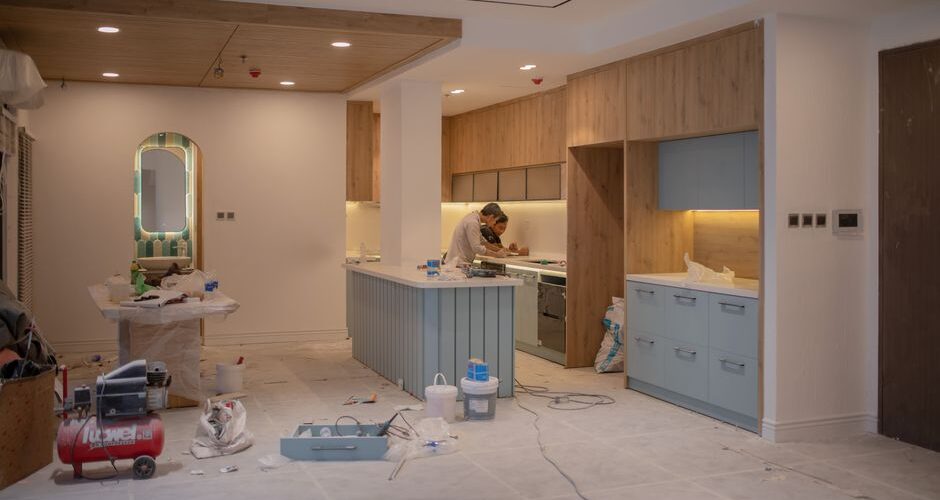
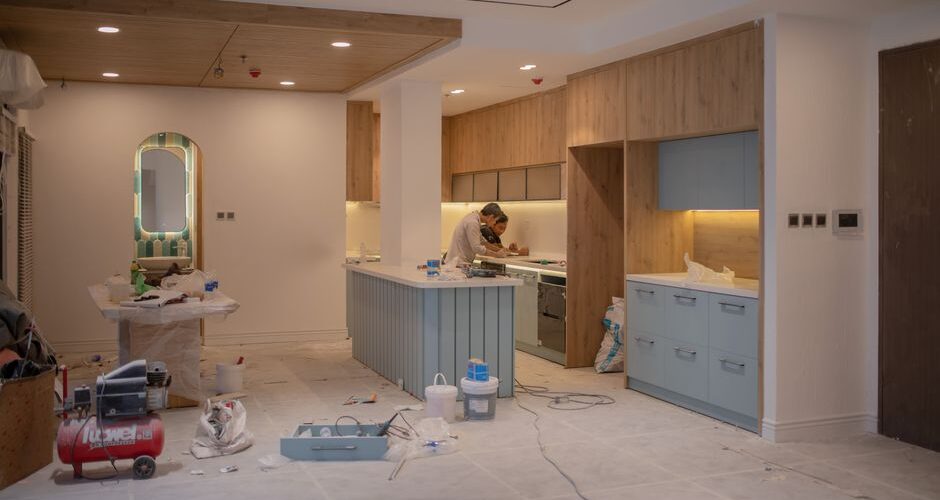
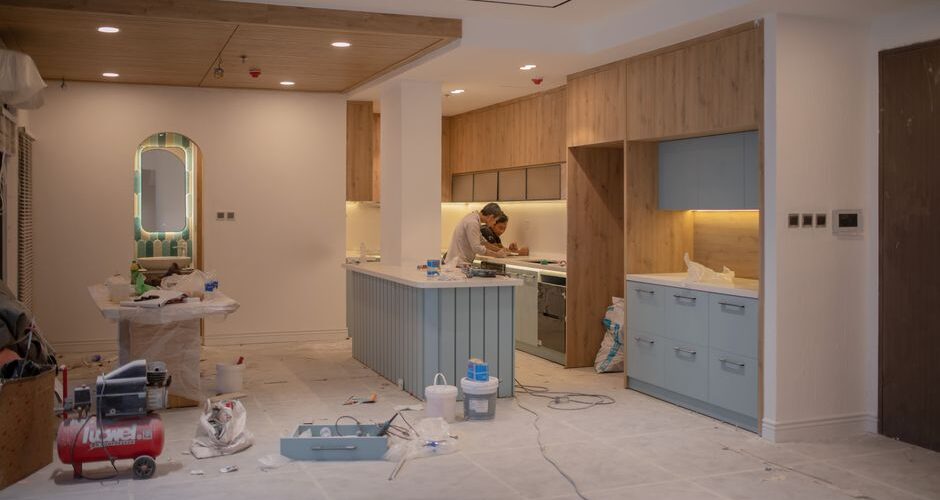

If you are searching for cabinet painting Denver low VOC lacquer finish options that deliver the look of a factory-built kitchen without the health hazards of traditional solvents, you have found the right resource. Homeowners across the south Denver metro area are increasingly aware that not all cabinet finishes are created equal. An estimated 60% of DIY cabinet painting projects show signs of failure within the first year, a statistic that underscores the gap between weekend-warrior ambition and professional-grade results. The good news is that modern low-VOC lacquer technology has closed the gap between beauty and safety, offering a finish that rivals what you would find on brand-new custom cabinetry while keeping your indoor air quality intact. This guide explains the science behind low-VOC lacquer, why it performs exceptionally well in Colorado’s high-altitude climate, how our process works, and what sets this finish apart from standard paint. Whether you live in Castle Rock, Castle Pines, Highlands Ranch, or Parker, you will walk away with a clear understanding of why this approach represents the best value for your kitchen.
Table of Contents
- Why Choose a Low VOC Lacquer Finish for Your Denver Kitchen?
- Low VOC Lacquer vs. Standard Cabinet Paint: What’s the Difference?
- Our Process: Achieving a Low VOC Lacquer Finish That Lasts
- Why Professional Application Matters in Denver’s Climate
- Cost and Value: Is Low VOC Lacquer Worth the Investment?
- Frequently Asked Questions About Low VOC Lacquer Finishes
- Conclusion
Why Choose a Low VOC Lacquer Finish for Your Denver Kitchen?
The decision to refinish kitchen cabinets involves balancing aesthetics, durability, and safety. A low-VOC lacquer finish addresses all three in ways that conventional cabinet paint simply cannot match. For families with children, pets, or anyone managing respiratory sensitivities, the near-absence of volatile organic compounds means you can remain in your home during the project without enduring the harsh chemical odors associated with traditional solvent-based lacquers. Many homeowners are surprised to learn that the modern water-based lacquers we use emit such minimal VOCs that they approach zero-VOC thresholds, making them suitable for the most health-conscious households.
Painting Kitchen Cabinets: Spraying vs Brush & Rolling
Choosing between spraying and brush/rolling for cabinets affects finish quality, cost, and prep time. Here are expert guides comparing both methods:
-
Spray vs. Roll: Choosing Brush-Mark-Free Cabinets – Lakeside Painters
Covers finish quality, prep, and how to eliminate brush marks.
-
Brushing and Rolling vs Spraying Cabinet Boxes – Walls by Design
15+ year pro breaks down cost, convenience, and finish trade-offs.
-
Can You Paint Cabinets With a Brush? – Engineer Fix
Compares all 3 methods: brush, roll, and spray with pros/cons.
Durability is where lacquer truly separates itself from the pack. Unlike standard latex or acrylic paint, which sits on the surface of the wood, a properly applied lacquer finish creates a hard, cross-linked shell that resists chipping, scratching, and the kind of daily wear that kitchens dish out. This is the same technology used by high-end cabinet manufacturers, which is why factory-finished cabinets have that unmistakable feel under your fingers: smooth, dense, and impervious to moisture. Homeowners in Parker and Highlands Ranch who entertain frequently or have busy family kitchens will appreciate that lacquer does not yellow over time the way oil-based finishes do, preserving the crisp, clean color you chose for years to come.
Spraying vs Brush & Rolling Guide
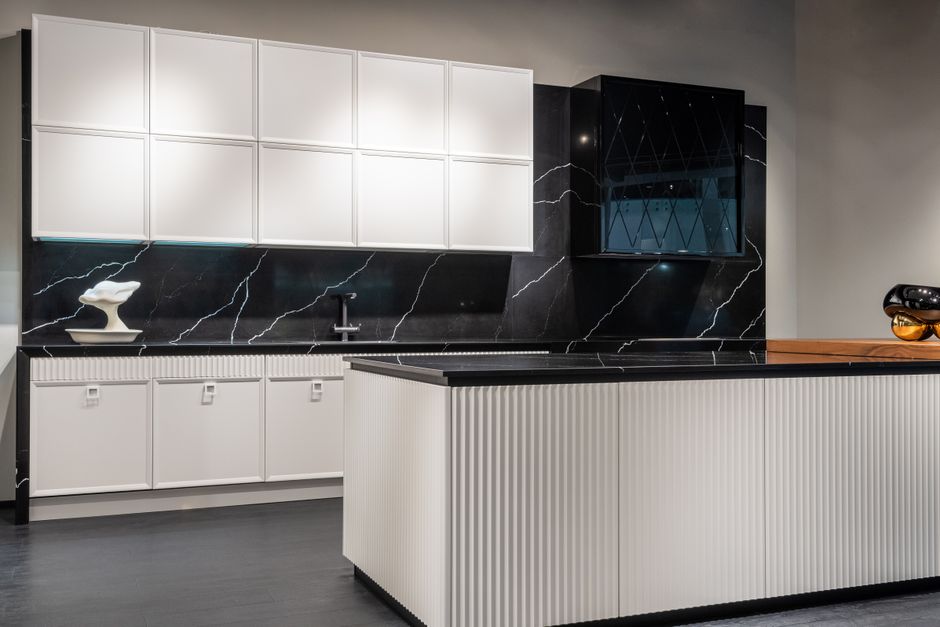
The aesthetic difference is equally pronounced. Lacquer dries to a glass-like surface with no brush marks, no stippling, and none of the orange-peel texture that often betrays a hand-painted job. When you run your hand across a lacquered door, it feels like a single continuous surface, not a coated one. That is the factory finish look that homeowners are after, and it is achievable only with professional spray application of a high-quality lacquer product.
Finally, there is the matter of climate resilience, a factor that is uniquely relevant to the Denver metro area. Colorado’s dry, high-altitude air and significant seasonal temperature swings cause wood to expand and contract more aggressively than in more humid regions. A rigid paint film will eventually crack or peel under that stress. The low-VOC lacquer we use is formulated with enough elasticity to move with the wood while maintaining its bond, a critical advantage that prevents the alligator-skin cracking pattern so common in failed cabinet paint jobs across the Front Range.
Low VOC Lacquer vs. Standard Cabinet Paint: What’s the Difference?
Understanding the distinction between low-VOC lacquer and standard cabinet paint requires a brief look at chemistry. Traditional lacquers were solvent-based, relying on harsh chemicals like toluene and xylene to dissolve the resins and deliver that signature hardness. Those solvents are what produced the overpowering fumes and high VOC counts. Modern water-based low-VOC lacquers have replaced those solvents with water as the primary carrier, while retaining the same resin technology that gives lacquer its durability. The result is a product that sprays like a traditional lacquer, cures to a hard film, and cleans up with water.
The application process differs significantly as well. Standard cabinet paint is often rolled or brushed on, which introduces air bubbles, brush strokes, and uneven film thickness. Lacquer is designed to be sprayed, atomized into a fine mist that lands on the surface and flows together into a perfectly level film. This requires professional equipment and the skill to manage spray patterns, fluid flow, and air pressure, variables that change depending on temperature and humidity. The payoff is a finish that looks like it was poured on rather than applied.
Cure time is another differentiator. Standard latex paint can take up to 30 days to reach full hardness, during which time it remains vulnerable to nicks and scratches. Lacquer cures much faster, allowing us to complete most kitchen projects in five to seven business days and return a fully functional kitchen to you without the extended waiting period. The faster cure also means less time for dust or debris to settle into the finish, contributing to a cleaner final result.
Repairability is an often-overlooked advantage of lacquer. Because each coat of lacquer chemically burns into the previous one, touch-ups blend seamlessly into the surrounding finish. With standard paint, a touch-up will often leave a visible halo or texture difference. In a busy kitchen where the occasional ding is inevitable, that repairability translates to a finish that looks new for longer.
Our Process: Achieving a Low VOC Lacquer Finish That Lasts
Step 1: Thorough Surface Preparation
Preparation is where the battle for a lasting finish is won or lost. We begin by removing every door, drawer front, and piece of hardware, labeling each component so that everything returns to its exact original location. The cabinet boxes and all removed components undergo a rigorous cleaning and degreasing process using professional-grade degreasers that dissolve the invisible film of cooking oils, hand oils, and airborne grease that accumulates on kitchen surfaces over years of use. Skipping this step, or using a household cleaner that leaves a residue, is one of the primary reasons DIY paint jobs fail. Paint cannot bond to grease.
Once the surfaces are clean and dry, we sand every square inch to create a mechanical profile for the primer to grip. This is not a light scuffing; it is a methodical process that removes the gloss from the existing finish and opens the surface for adhesion. Any dents, gouges, or imperfections are filled with a two-part wood filler that sands smooth and will not shrink over time. The difference between a good finish and a great one is in how thoroughly these invisible flaws are addressed before the first drop of coating is applied.
Step 2: Professional Priming and Spraying
With preparation complete, we apply a high-bonding primer specifically engineered for use under water-based lacquer topcoats. This primer serves two functions: it creates a uniform base color that blocks any potential bleed-through from the underlying wood or old stain, and it provides the chemical bridge that locks the lacquer to the substrate. The primer is sprayed, not brushed, to maintain the perfectly smooth surface we established during sanding.
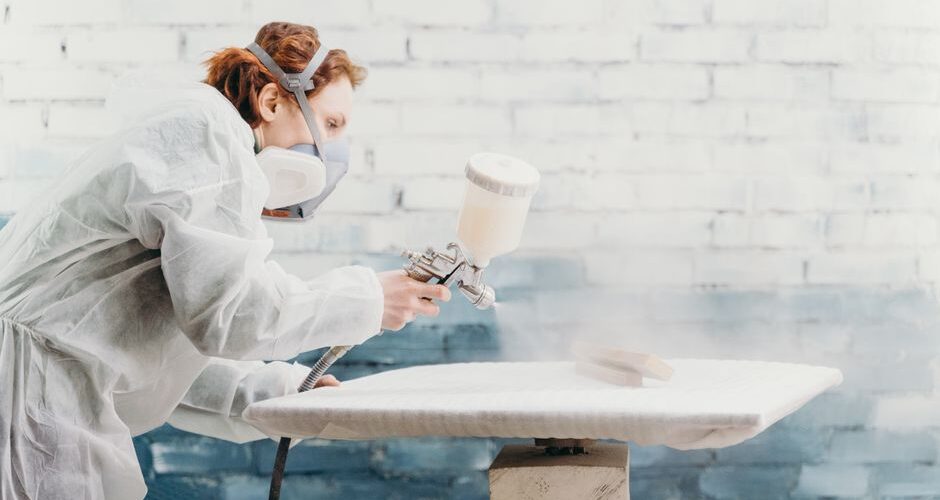
Doors and drawer fronts are transported to our controlled shop environment for all coating work. This is a critical quality decision. Spraying in a shop eliminates the variables of temperature, humidity, airborne dust, and insects that are unavoidable in a residential setting. It also means your home is not filled with overspray or coating odors. The cabinet boxes remain in place and are sprayed on-site using low-pressure, high-volume equipment that minimizes overspray while delivering the same fine atomization we achieve in the shop. Floors, countertops, and adjacent surfaces are masked and protected before any spraying begins.
Step 3: Applying the Low VOC Lacquer Finish
The lacquer application is a patient, multi-coat process. We apply thin, even coats rather than trying to build the finish in one heavy pass. Thin coats flow out better, dry faster, and reduce the risk of runs or sags. Between each coat, the surfaces receive a light sanding with ultra-fine abrasives that knock down any microscopic dust nibs and create a tooth for the next coat to bond to. This intercoat sanding is what produces the deep, liquid-looking finish that defines a professional lacquer job.
The final sheen is applied according to your preference. Satin remains the most popular choice among our clients in Castle Rock and Highlands Ranch, offering a subtle luster that hides fingerprints well while still reflecting enough light to highlight the cabinet detail. Matte finishes have gained traction among homeowners drawn to the Joanna Gaines aesthetic, providing a soft, velvety look that works beautifully in farmhouse and transitional kitchens. Semi-gloss is available for those who want maximum reflectivity and wipe-down ease. Regardless of sheen, the underlying lacquer chemistry delivers the same hardness and durability.
Step 4: Reassembly and Final Inspection
Once all coatings have cured, the doors and drawer fronts return from our shop for reinstallation. Hardware is carefully mounted, and each door is adjusted for perfect alignment and reveal. We walk through the kitchen with you to inspect every surface under good light, verifying even coverage, consistent sheen, and proper door function. The workspace is cleaned thoroughly, and your kitchen is left ready for immediate use. There is no lingering odor, no dust residue, and no trace of the project beyond the transformed cabinets themselves.
Why Professional Application Matters in Denver’s Climate
The 60% DIY failure rate cited earlier is not a scare tactic; it reflects the real-world challenges of cabinet painting in a climate like Denver’s. The dry air at altitude causes water-based paints to skin over almost immediately after application, trapping moisture beneath the surface and preventing proper film formation. This leads to poor adhesion, a chalky surface, and premature failure. Professional applicators understand how to adjust for these conditions, using retarders and proper spray techniques to ensure the coating flows out and bonds correctly before drying begins.
There is also what we call the HGTV trap: the idea that you can spray cabinet boxes with the doors still hanging, mask off the kitchen in an afternoon, and achieve a factory finish. The reality is that spraying doors in place produces drips on vertical surfaces, uneven coverage in corners, and overspray that finds its way onto hinges, interiors, and adjacent rooms. Removing doors and finishing them horizontally in a controlled shop environment is the only way to achieve a truly flat, run-free surface on every door and drawer front.
Colorado’s intense UV exposure at altitude presents another challenge. Sunlight streaming through kitchen windows can yellow certain finishes and break down the chemical bonds in lower-quality paints. The low-VOC lacquer we use contains UV inhibitors that resist yellowing and degradation, preserving the color and integrity of the finish even in sun-drenched kitchens. Combined with the flexibility needed to handle temperature swings, this makes the product ideally suited for Front Range homes.
We back our work with a five-year warranty against peeling and cracking, a commitment that reflects our confidence in both the product and the process. When applied correctly by professionals who understand the local climate, a low-VOC lacquer finish should look beautiful for well over a decade with basic care.
Cost and Value: Is Low VOC Lacquer Worth the Investment?
Homeowners weighing their options naturally want to understand the financial picture. A full kitchen cabinet replacement typically runs between $15,000 and $30,000 or more, depending on kitchen size and cabinet quality. Professional refinishing with a low-VOC lacquer finish generally costs a fraction of that, often saving homeowners thousands of dollars while delivering a result that is visually indistinguishable from new custom cabinetry. For those who like their current kitchen layout and cabinet construction but simply want a color change or a refreshed look, refinishing is the clear value leader.
Compared to standard cabinet paint, a low-VOC lacquer finish carries a modest premium that reflects the higher material cost and the additional labor involved in multi-coat spray application and intercoat sanding. Professional-grade 2K industrial coatings can approach $150 per gallon, and the specialized equipment and training required to apply them correctly add to the service cost. However, the longevity difference means that the lacquer finish will outlast a standard paint job by years, making it the more economical choice over the life of the kitchen.
The DIY route appears cheapest on paper, but the hidden costs add up quickly. Quality spray equipment, premium coatings, sanders, abrasives, masking materials, and the inevitable do-over when the first attempt goes wrong can push a DIY project close to the cost of hiring a professional, with none of the warranty protection or guaranteed results. When you factor in the value of your time and the disruption of a prolonged project, professional refinishing becomes the smarter investment for most homeowners.
Every kitchen is different, and pricing reflects variables like cabinet count, door style, existing finish condition, and the amount of prep work required. We encourage homeowners to schedule a free in-home estimate so we can assess your specific kitchen and provide an accurate, no-obligation quote tailored to your project.
Frequently Asked Questions About Low VOC Lacquer Finishes
Is lacquer a good finish for cabinets? Yes, lacquer is widely considered one of the best finishes for kitchen cabinets due to its hardness, moisture resistance, and smooth appearance. Modern water-based low-VOC lacquers deliver all those benefits without the health and environmental concerns of traditional solvent lacquers.
What cabinet paint has no VOC? Our standard low-VOC lacquer approaches zero-VOC levels, emitting negligible compounds during application and curing. For clients who require a truly zero-VOC product due to severe chemical sensitivities, we can discuss specific product options that meet that standard while still providing excellent durability.
What sheen is most popular for kitchen cabinets? Satin is the most requested sheen across our service area, offering a practical balance of subtle shine and easy maintenance. The matte look popularized by designers like Joanna Gaines is also a strong contender, particularly in Castle Pines and Highlands Ranch homes with modern farmhouse or transitional styling.
How long does the process take? Most kitchen cabinet refinishing projects are completed in five to seven business days. You will have access to your kitchen throughout the project, though the cabinet boxes will be drying for a portion of that time.
Conclusion
A kitchen cabinet refinishing project is an investment in your home’s appearance, functionality, and value. Choosing a professional low-VOC lacquer finish means you do not have to compromise between the factory-finish look you want and the indoor air quality your family deserves. The combination of advanced water-based lacquer chemistry, meticulous preparation, controlled-environment spraying, and climate-specific expertise produces a result that stands up to Colorado’s unique environmental demands while transforming the heart of your home.
If you are ready to explore what a low-VOC lacquer finish can do for your kitchen, we invite you to reach out for a free consultation. Our team has helped homeowners across the south Denver metro area achieve stunning, durable cabinet transformations, and we would welcome the opportunity to discuss your project. We are proud to serve Castle Rock, Castle Pines, Highlands Ranch, and Parker with the finest cabinet refinishing Denver has available, delivering factory-finish quality without the factory price tag.