
Why Professional Cabinet Painters Matter In Denver Homes
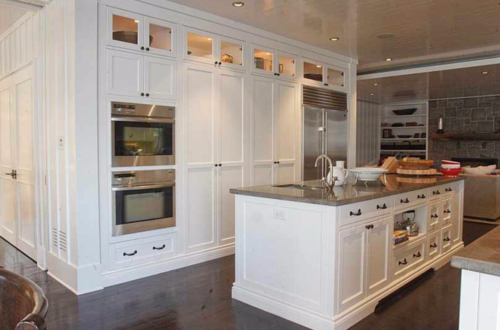
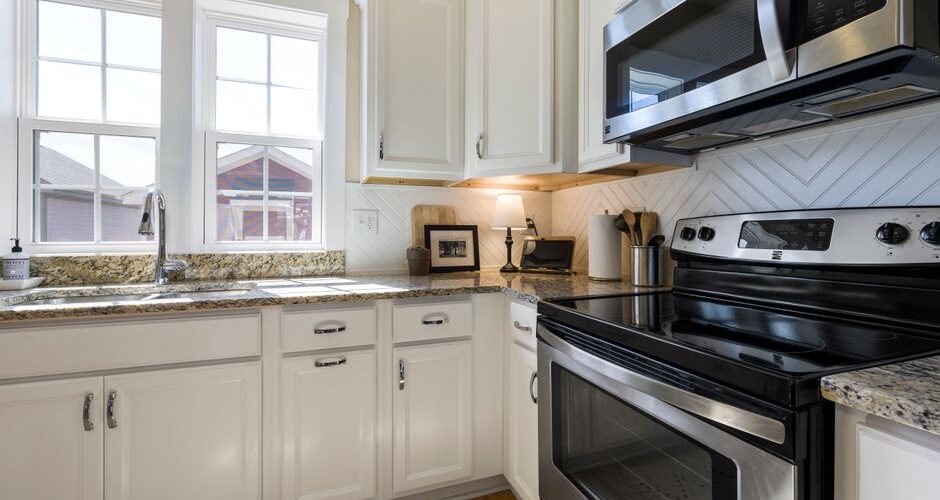
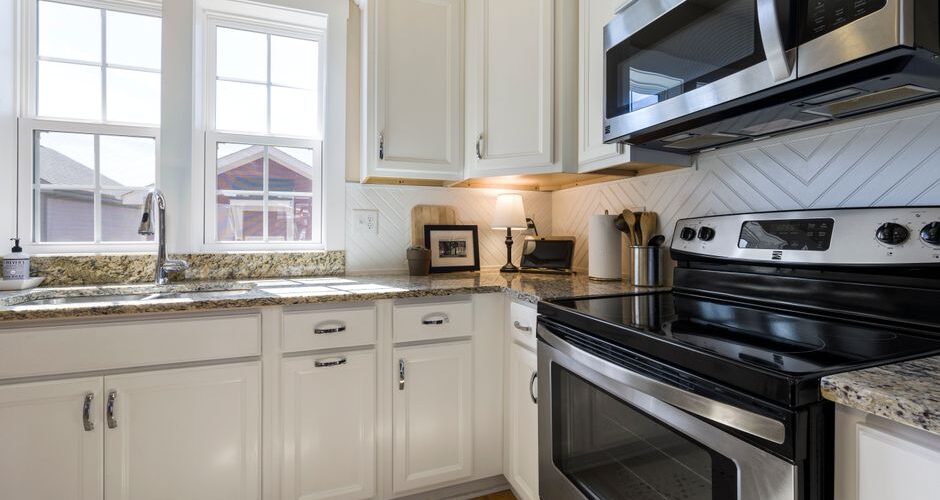
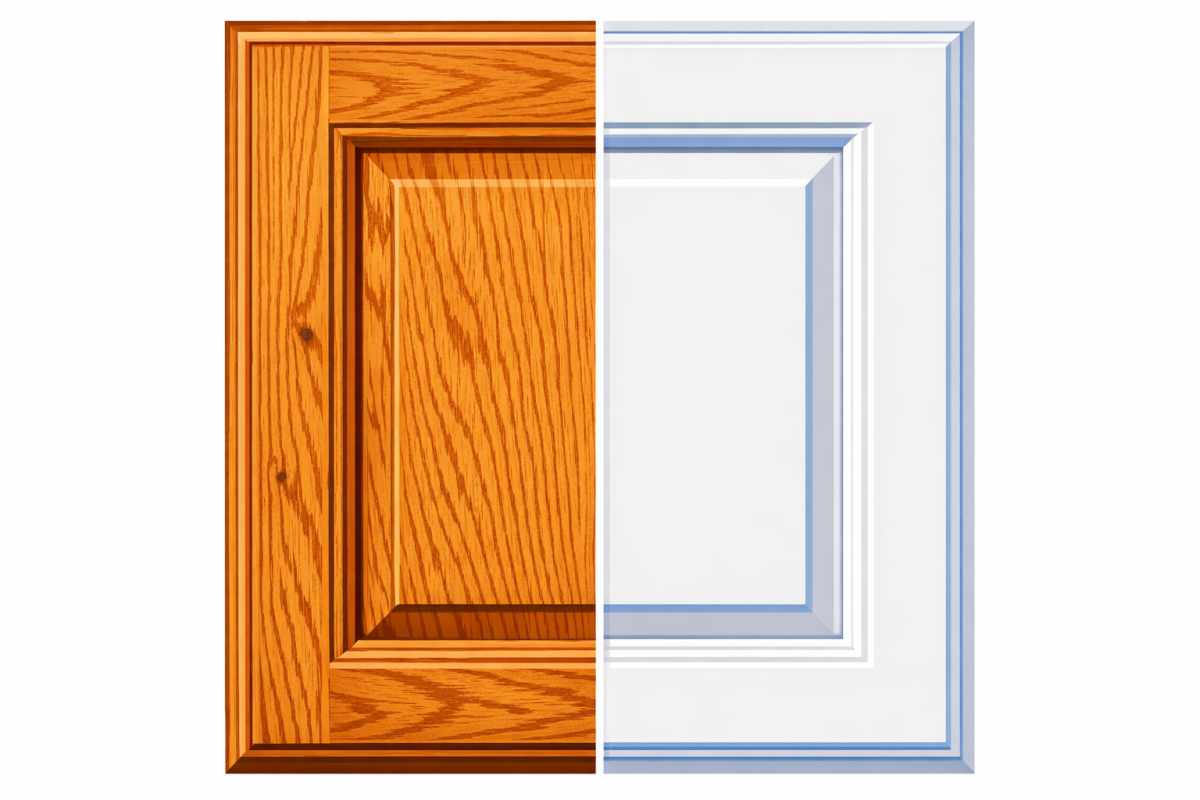
If you live in Denver, Highlands Ranch, Castle Rock, Aurora, or Centennial, your kitchen cabinets do a lot of heavy lifting. They frame the room, influence your home’s value, and quickly reveal the age of the house. Dark oak from the 90s, orange maple, or chipped white finishes can make an otherwise solid kitchen look tired.
Professional cabinet painters in Denver specialize in transforming those dated boxes into bright, modern focal points, without the cost and disruption of a full replacement. Done correctly, cabinet painting can:
My Review of Graco FFLP Tips for Spraying Cabinets
- Save 50 to 70 percent compared with new cabinets
- Cut project timelines from months to days
- Dramatically improve resale appeal in a competitive Front Range market
This guide walks you through what professional cabinet painters actually do, what “factory finish” really means, realistic costs and timelines, and how to choose a contractor you can trust.
Key Takeaway: The value of professional cabinet painters is not just paint on wood. It is the combination of surface prep, products, and process that delivers a durable, furniture-grade finish that can stand up to Colorado families and dry climate.
What Professional Cabinet Painters In Denver Actually Do
Most homeowners think cabinet painting is just brushing on a new color. Professional cabinet painters follow a multi-stage refinishing process that is closer to automotive refinishing than wall painting.
Core Process You Should Expect
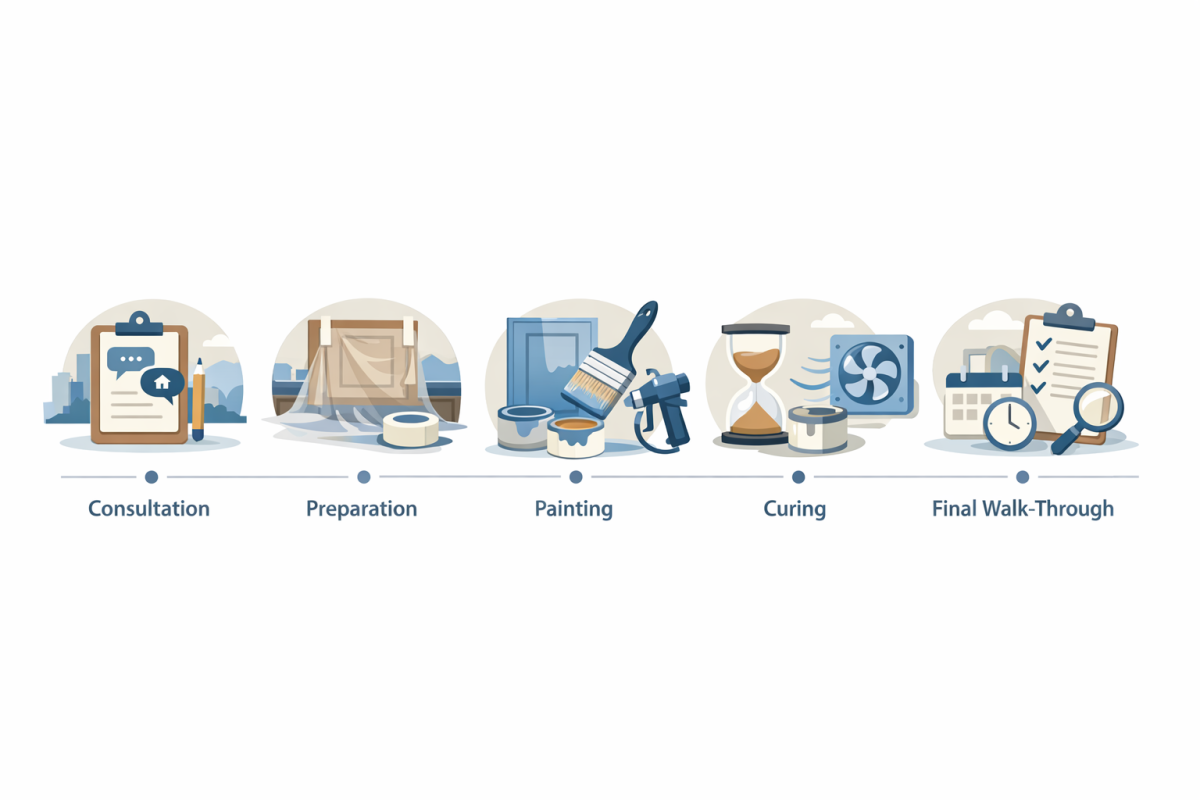
A professional operation typically follows steps very similar to those detailed in services like Cabinet Refinishing Denver Kitchen Cabinet Painting Denver:
-
Detailed cleaning and degreasing
Years of cooking oils, hand oils, and polishes must be removed or paint will fail. Pros use commercial-grade degreasers and abrasion, not just household cleaners. -
Mechanical and chemical deglossing
Shiny lacquer, factory finishes, and old varnish are scuff sanded and chemically deglossed so new coatings bond properly. -
Repairs and filling
Dents, grain cracks, and old hardware holes are filled and sanded smooth. This is where “like-new” or “still looks repainted” is decided. -
Professional priming system
Oil, shellac, or specialized bonding primers are used to block tannin bleed in oak, cherry, or maple, and to lock in old stains. -
Sprayed topcoats for a factory look
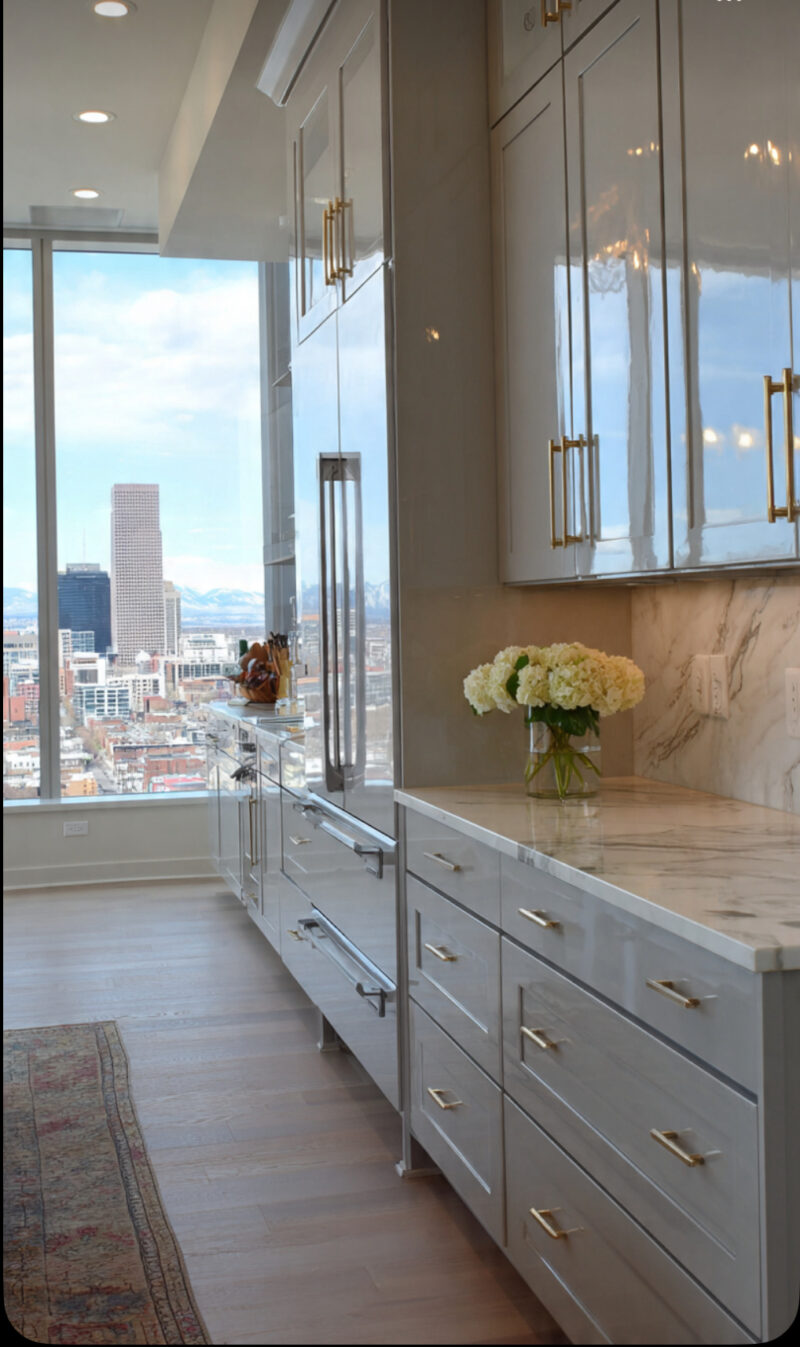
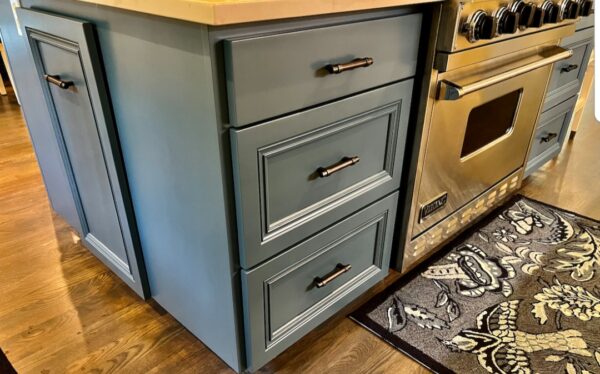
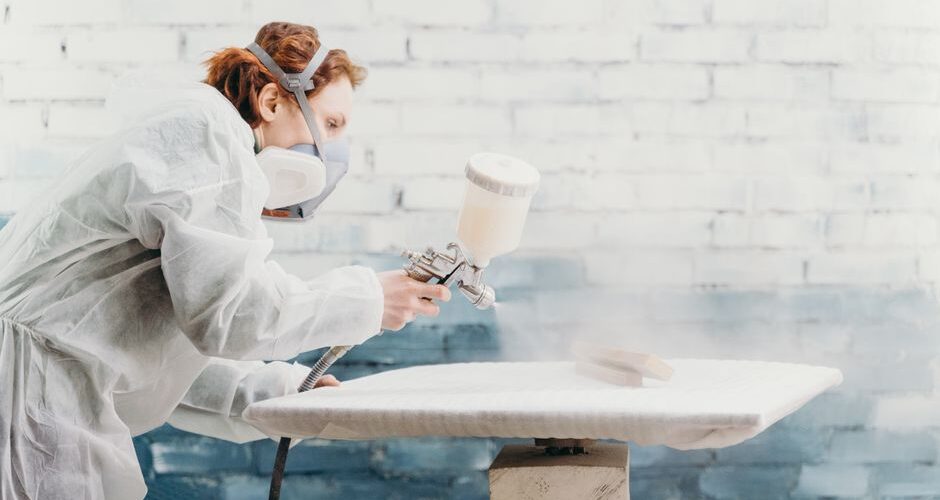
High-end cabinet painters use HVLP or airless sprayers in controlled environments, which creates a smooth, brush-free finish.
Products That Separate Pros From DIY
Professional cabinet painters often use:
- Industrial waterborne enamels or conversion varnishes
- Catalyzed finishes that cure harder than standard trim paint
- Specialty primers designed for slick, pre-finished cabinetry
These products are rarely available at retail paint counters and require careful mixing, ventilation, and application.
Pro Tip: When interviewing painters, ask exactly which primer and topcoat system they use on cabinets, not just “we use high-quality paint.” You are looking for products specifically rated for cabinetry or trim, not general interior wall paint.
Benefits For Denver‑Area Homeowners And Investors
If you own an older home in Denver, Aurora, or Castle Rock, or you are preparing a listing for sale, professional cabinet painting offers several tangible benefits.
Cost Savings Compared To Replacement
For most kitchens, professional cabinet painting typically runs:
- Roughly 25 to 40 percent of the cost of full cabinet replacement
- Often 40 to 60 percent of the cost of high-quality cabinet refacing
Cabinet replacement can quickly reach five figures once you factor in demolition, electrical and plumbing changes, countertops, and tile repair. Painting preserves your layout and existing boxes, which means you are investing only in visible surfaces.
Faster Turnaround And Less Disruption
Many Denver cabinet painting projects are completed in about 4 to 7 working days on-site, with doors sprayed off-site:
- Minimal downtime for families with kids and busy schedules
- Limited demolition and dust compared with remodeling
- Predictable scheduling, which is vital if you are staging for sale
For suburban families in Highlands Ranch or Centennial, this means you can plan around a single week, instead of living in a construction zone for a month.
Boost To Resale Value And Marketability
Real estate agents and flippers consistently report that:
- White or light neutral cabinets photograph better in online listings
- Buyers mentally “discount” dark or dated cabinetry, even if structurally sound
- Freshly painted cabinets often make older countertops and floors look more current
For investors, the ROI comes from faster days on market and stronger offers. For homeowners, painted cabinets can modernize a 1990s kitchen enough that you can postpone a full remodel for several years.
How To Evaluate Professional Cabinet Painters In Denver
Not all “cabinet painters” are true cabinet specialists. Many are wall painters who occasionally take on cabinets. Here is how to separate specialists from generalists.
Questions To Ask Before You Hire
Ask each contractor:
-
How many cabinet projects have you completed in the past year?
Cabinet specialists often complete dozens annually. A painter who does one or two is learning on your home. -
Do you remove doors and drawers and spray them off-site?
A professional will remove and spray in a shop or controlled area, not paint everything in place with a brush. -
What surface preparation steps do you take?
Look for a detailed sequence: cleaning, sanding, deglossing, priming, caulking, and multiple topcoats. -
What warranty do you provide for cabinet work specifically?
Written warranties that cover peeling, cracking, or adhesion issues are a strong signal of confidence.
Red Flags To Watch For
Be cautious if you hear:
- “We just scuff and shoot, you will be fine.”
- “We use the same paint we put on trim and doors.”
- “We do not need to remove the doors, it is faster this way.”
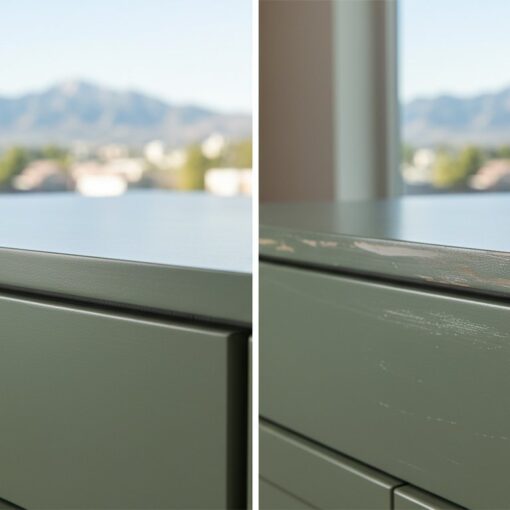
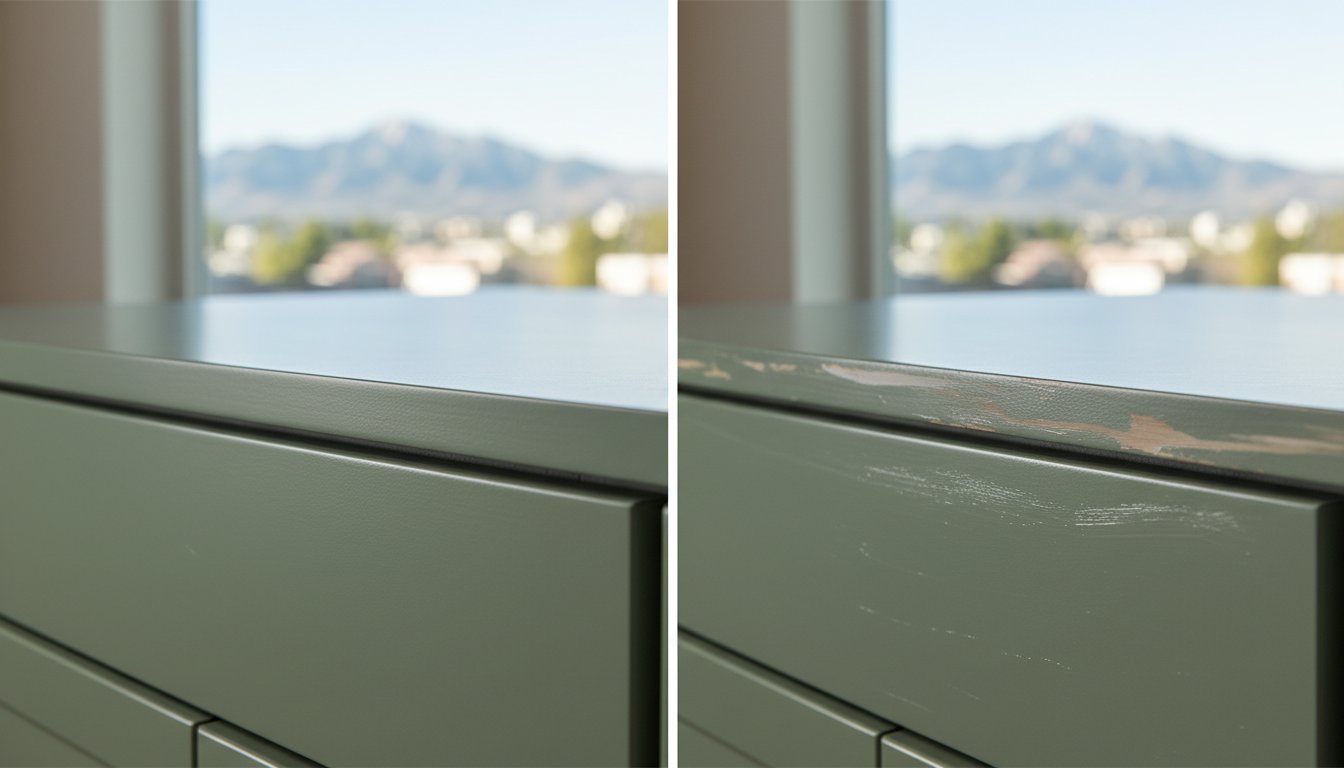
These shortcuts usually result in chipping, blocked doors, or a heavy, brush-marked surface within months.
Verifying Experience And Results
Ask to see:
- Before-and-after photos of work in homes similar to yours
- References from Denver or nearby suburbs with similar cabinet types
- Examples of oak grain filled or minimized, if that is important to you
Sites like Denver Cabinet Painters A Flawless Factory Finish For Your Kitchen often showcase project galleries that demonstrate what a high-end factory-style finish should look like.
The Professional Cabinet Painting Process Step‑By‑Step
Understanding the typical process helps you evaluate bids and prepare your home.
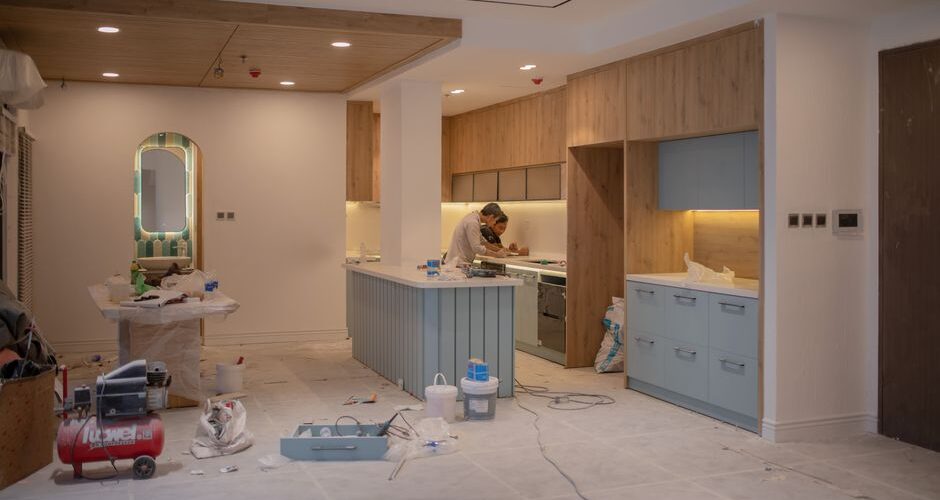
In‑Home Prep And Protection
A professional crew will:
- Mask floors, countertops, appliances, and adjacent rooms with paper and plastic
- Set up dust extraction and, if spraying on-site, temporary plastic walls
- Create a staging area for doors and drawers
This prevents overspray, dust, and fumes from migrating through the home.
Doors, Drawers, And Box Frames
The process usually includes:
- Removing doors, drawers, and hardware, then labeling for reinstallation
- Cleaning and degreasing all surfaces
- Sanding and deglossing to create a mechanical bond
- Repairing damage, filling grain if specified, and caulking seams
Cabinet boxes may be sprayed in place or hand-finished, depending on layout and ventilation.
Priming And Topcoats
A typical professional system:
- One or two coats of bonding or stain-blocking primer
- Light sanding between coats to eliminate nibs and dust
- Two to three coats of high-performance enamel or lacquer
This layered approach is what gives you that smooth, “factory-applied” finish rather than a DIY look.
Important: Skipping primer or using a generic wall primer is one of the top reasons cabinet paint peels or yellows over time, particularly over older oil or lacquer finishes.

Costs, Timelines, And What Affects Your Price
Every kitchen is different, but you can still approach pricing logically.
Main Factors That Drive Price
Professional cabinet painters usually consider:
-
Door and drawer count
More pieces mean more labor, prep, and spray time. -
Existing finish and condition
Heavy grain oak, peeling varnish, smoke, or grease damage require more prep. -
Color change
Switching from dark to light often means more primer and topcoats. -
Add‑ons
New hardware holes, soft-close hinges, crown moulding, or glass door conversions increase labor.
Typical Denver‑Area Ranges
While exact numbers vary, many Denver homeowners see:
- Smaller kitchens: often in the low‑ to mid‑thousands
- Average family kitchens: commonly in the mid‑ to upper‑thousands
- Large custom kitchens with islands and butler’s pantries: higher depending on complexity
For context, full replacement with quality cabinets and new counters can be two to four times these ranges.
Project Duration
From first prep day to reinstall, expect:
- 4 to 7 working days in your home for most projects
- 1 to 2 additional weeks total including shop drying and scheduling
If you have a tight deadline for listing your home, communicate this early. A reputable cabinet painter will give you a clear schedule and milestones.
Common Mistakes Denver Homeowners Make (And How To Avoid Them)
Even with a good painter, a few missteps can compromise results.
Choosing Based On Price Alone
Ultralow bids usually signal:
- Minimal prep work
- Lower‑grade trim or wall paints
- Rushed schedules and inexperienced labor
Over the life of the cabinets, you often pay more to correct failures or repaint.
Overlooking Climate And Use
Denver’s dry, high‑altitude climate means:
- Wood moves and dries faster, which can expose joints and seams
- Sunlight is intense, which can yellow certain paints and clear coats
Ask your painter how their system handles UV and wood movement. Waterborne enamels often perform better in bright, sunny kitchens than oil‑based systems that tend to yellow.
Ignoring Hardware And Layout Decisions
Before the painter arrives, decide:
- Whether you are keeping or updating hardware
- If you will add soft‑close hinges or drawer slides
- Any layout tweaks, such as removing a door to create open shelving
Many of these changes are easier and less costly when coordinated with painting and refinishing, as seen in services like Painting Kitchen Cabinet Denver Cabinet Refinishing Denver.
Warning: Installing new pulls or knobs after painting without proper drilling guides can chip the new finish. Ask your painter if they will handle hardware layout and installation as part of the project.
When To Call In A Pro Versus Attempting DIY
Many Denver homeowners are handy and consider painting cabinets themselves. Sometimes this makes sense, often it does not.
DIY Might Be Reasonable If
- You have a small kitchen or bath with few doors
- You already own sprayers, sanders, and good dust control equipment
- You are comfortable living with imperfections or touch-ups
Even then, plan for several weekends and expect a learning curve.
A Professional Is Usually The Better Choice If
- You live in a busy household or have small children and pets
- You plan to sell within the next few years
- You have expensive counters or floors that cannot be easily repaired
- You want a finish that closely resembles new factory cabinets
For most families and investors, the cost of professional cabinet painting is justified by durability, appearance, and time saved.
Ready For A Factory‑Quality Cabinet Finish?
If you are serious about transforming your kitchen or baths without the mess of a full remodel, working with a dedicated cabinet refinishing company is the most reliable path.
Painting Kitchen Cabinets Denver focuses specifically on cabinet refinishing and painting for Denver‑area homeowners, investors, and designers. Their process includes:
- Thorough cleaning, repair, and prep tailored to older Denver homes
- Professional primers and finishes designed specifically for cabinetry
- Shop‑sprayed doors and drawers for a consistent factory‑style finish
- Clear scheduling that fits around family life or listing timelines
If you are in Denver, Highlands Ranch, Castle Rock, Aurora, or Centennial and want your cabinets to look like they came that way from the factory, not like a weekend project, this is the type of specialist to consult.
Learn more about how Painting Kitchen Cabinets Denver approaches cabinet refinishing, see real project photos, and request a detailed quote tailored to your home.
Frequently Asked Questions
How long should professionally painted cabinets last in Denver?
With proper prep and high‑quality products, professionally painted cabinets in Denver typically last 8 to 15 years before needing more than minor touch‑ups. Longevity depends on household traffic, cleaning habits, and exposure to sunlight and moisture. Using the right primers and cabinet‑grade finishes is critical. Avoid harsh cleaners and always wipe up water or spills promptly to preserve the finish.
Can professional painters really hide heavy oak grain?
They can significantly reduce it, and sometimes nearly eliminate it, depending on the method. Professionals often use grain fillers, specialized primers, and multiple sanding cycles to level the surface before topcoating. Completely erasing deep oak grain takes more time and cost, so be sure to specify your expectations in writing. Ask to see examples of oak projects before you commit.
Is cabinet painting worth it before selling my Denver home?
For most dated kitchens, yes. Fresh, neutral cabinets are one of the highest‑impact visual upgrades you can make before listing. They improve listing photos, help buyers overlook older layouts, and can make the entire home feel more current. Compared with full replacement, professional painting typically offers a stronger short‑term return because of lower cost and faster turnaround.
Will the painting process leave strong odors or dust in my home?
A reputable cabinet painter will control both. They use dust extraction, masking, and often spray doors off‑site to minimize dust. High‑quality waterborne products have much lower odor than older oil‑based systems and off‑gas more quickly. You may notice a mild smell during and shortly after application, but with ventilation most families find it manageable and short‑lived.
Can I still use my kitchen while the cabinets are being painted?
Partially, but expect some disruption. Countertops and appliances are usually accessible in the evenings, although doors and drawers will be removed during much of the process. Plan simple meals and limit heavy cooking for a few days. Professional cabinet painters will walk you through their day‑by‑day plan so you know when sinks, stoves, and pathways will be temporarily restricted.
How do I maintain professionally painted cabinets?
Use a soft cloth or sponge and mild dish soap diluted in warm water. Avoid abrasive pads, ammonia, bleach, or citrus cleaners, which can dull or damage the finish. Wipe spills promptly, especially around sink bases, dishwashers, and coffee stations. Consider adding soft‑close hardware to reduce slamming, which can chip edges over time. Regular gentle care will keep the finish looking fresh for years.