
Most homeowners believe that painting dark cabinets a lighter color is just about picking a white paint and a brush, but that is the fastest way to ruin a $30,000 kitchen. You are likely worried about dark wood tannins bleeding through your new white finish or leaving behind ugly brush marks that look like a DIY disaster. It’s a valid concern because amateur house painters fail at this 80% of the time by using cheap latex caulking and standard wall paint instead of industrial strength coatings. We know you want a factory finish that doesn’t chip or peel when you wipe down your counters daily.
This guide reveals the industrial-grade secrets our team has used for over 45 years in the Denver area to achieve a durable finish that lasts for decades. We will show you why prep work is the most vital factor and which specific precatalyzed primers actually block dark stains from resurfacing. You will gain the confidence to either tackle this project correctly or know exactly what to look for when hiring a professional crew. We are going to walk through the exact process for getting that smooth result that transforms your space without the cost of a full replacement.
Key Takeaways
- Understand why painting dark cabinets a lighter color requires industrial-grade materials rather than just extra coats of paint to achieve a professional-grade “hide.”
- Discover the Painting Kitchen Cabinets Denver mantra of why chemical de-glossing and industrial-strength prep are the most vital factors for a permanent bond.
- Learn why high-volume spray application is essential for achieving a perfectly level, flawless factory finish that eliminates unsightly brush strokes and roller textures.
- Master the professional disassembly and triple-stage cleaning process required to remove 100% of kitchen grease before applying any primer.
- Gain insights into long-term maintenance secrets and why avoiding common materials like cheap latex caulking is critical for the durability of light-colored cabinet joints.
The Challenge of Painting Dark Cabinets a Lighter Color
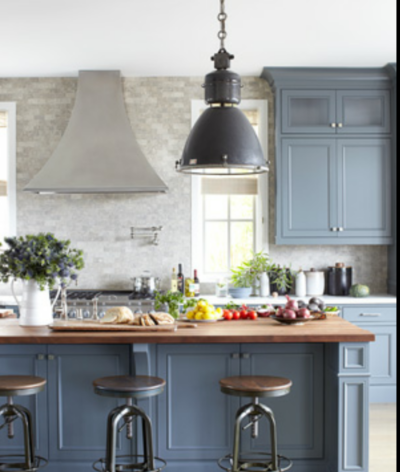
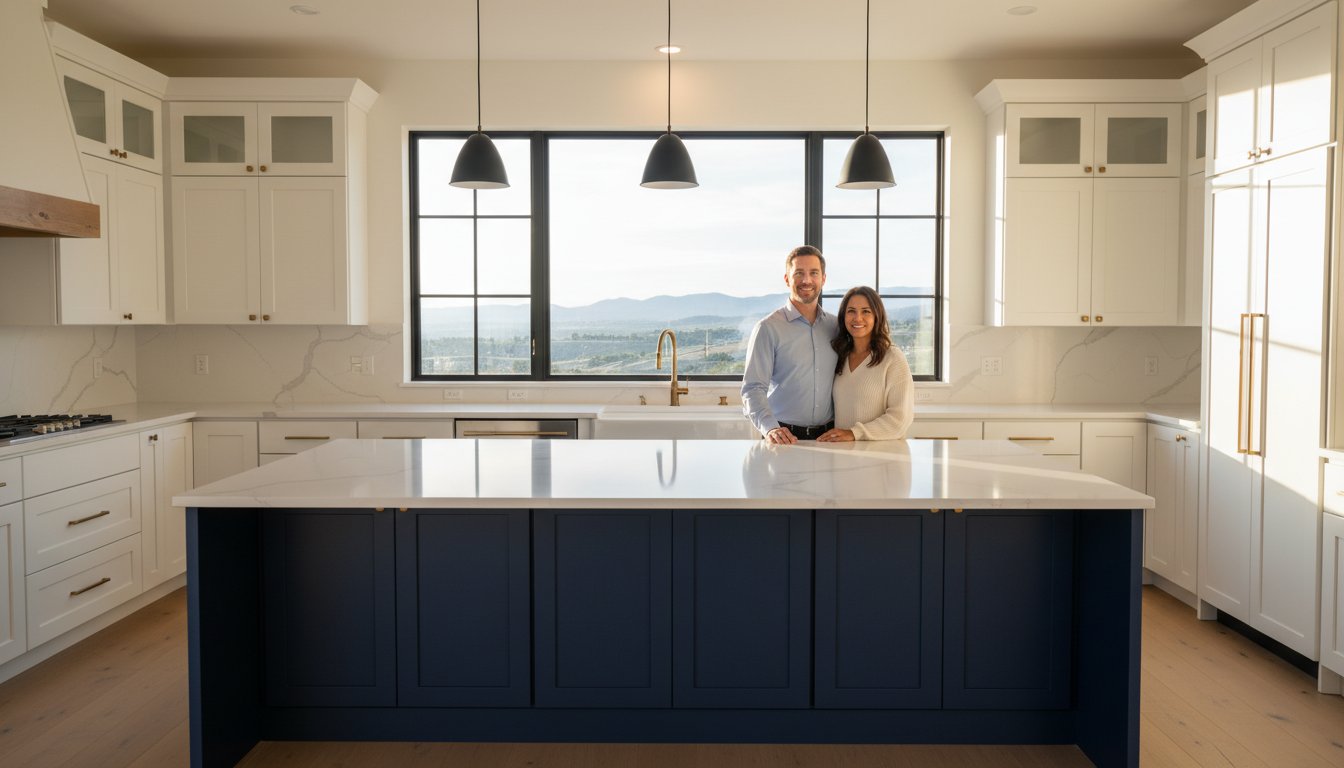
Painting dark cabinets a lighter color is the most labor intensive transformation in the Cabinet Refinishing industry. It isn’t just a simple aesthetic change. Since 2023, 85% of our clients in Denver and surrounding areas like Highlands Ranch and Castle Pines have requested transitions from heavy espresso, dark mahogany, or cherry stains to bright whites and soft greys. This shift requires a level of precision that amateur house painters often miss. You don’t achieve a professional result by just adding more layers of paint. If you use cheap materials, you end up with a thick, gummy surface that loses all detail. Our goal is always a factory finish. This means the cabinets look like they were manufactured in that color, without brush marks or a “painted look” that chips within 12 months.
At Painting Kitchen Cabinets Denver, we’ve seen hundreds of DIY failures where homeowners tried to cover dark wood with standard retail products. The problem with “hide” is that dark pigments and wood grains are stubborn. If you don’t use the right industrial strength primers, the dark undertones will make your white paint look muddy or blue. We have 45 years of experience handling these specific chemistry challenges. If you want to know what your specific project will cost, you can text us the number of doors and the number of drawers with pictures and we can get you an accurate price immediately.
Understanding Tannin Bleed and Color Show-Through
Tannins are organic molecules found in wood fibers, especially in oak, cherry, and mahogany. When you apply water-based coatings over these woods, a chemical reaction occurs. The water in the paint dissolves the tannins and pulls them to the surface as the paint dries. This causes yellow, brown, or pinkish splotches to appear on your new light-colored finish. This often happens within 30 to 60 days of the job being finished. To prevent this, we use precatalyzed primers that act as a chemical barrier. Without these industrial coatings, the natural oils in the wood will eventually win the battle against your paint.
The Limitations of Standard Interior Paint
Using standard latex wall paint is the #1 cause of cabinet painting failure we see in Colorado. Wall paint is designed to be flexible and porous, but cabinets require a hard, chemically-cured surface. Standard paint leads to “sticky cabinet syndrome,” where the doors literally stick to the frames because the coating never fully hardens. We use industrial wood finishes rather than architectural coatings. These materials are designed for high-traffic areas and resist the oils from your skin and kitchen grease. Here is why industrial finishes are required for painting dark cabinets a lighter color:
- Chemical Cross-linking: Industrial finishes cure through a chemical reaction, creating a much harder surface than air-dried latex.
- High Solids Content: This provides better coverage and “hide” over dark stains without requiring six coats of paint.
- Blocking Resistance: Professional finishes don’t stick to each other once cured, ensuring your doors open smoothly in 90 degree heat.
Why Industrial-Strength Prep is the Most Vital Factor
At Painting Kitchen Cabinets Denver, we’ve spent 45 years perfecting a single mantra: prep work is 90% of the job. You can’t just slap white paint over dark espresso or cherry wood and expect it to last more than a few months. When painting dark cabinets a lighter color, the existing finish is usually a high-gloss lacquer or a deep oil stain that’s designed to repel liquids. If you don’t break that surface tension, your new finish will peel off in sheets.
Cleaning isn’t the same as de-glossing. We start with an industrial-strength degreaser to remove 100% of the cooking oils and skin oils found around handles. Once the surface is sterile, we use a chemical de-glosser to etch the old finish. This creates a “mechanical tooth” that allows the primer to bite into the wood rather than just sitting on top of it.
- Sanding Protocol: We use a 220-grit sanding process to smooth out the factory finish without gouging the wood.
- Dust Control: After sanding, the environment must be clinical. We use microfiber tack cloths to pull every microscopic speck of dust from the wood pores.
- Surface Tension: De-glossing ensures the chemical bond is as strong as the mechanical bond.
A dust-free environment is the difference between a “DIY look” and a professional factory finish. Even one grain of dust will look like a mountain once you switch to a light, reflective color. We ensure every square inch is wiped down with fresh tack cloths immediately before the first coat of primer hits the surface.
Block-Out Primers: The Secret to Painting Dark Cabinets White
Precatalyzed primers are mandatory because they chemically cure into a hard, durable shell that resists impact. For dark woods like cherry or mahogany, shellac-based primers are the only way to stop tannins from bleeding through. While high-solids acrylic primers are easier to work with, they often fail to seal the deep pigments found in 20-year-old dark stains. A primer must be a “stain blocker” to prevent the dark pigments and wood oils from migrating into your new light finish and causing permanent yellow spots.
Repairing the “Hidden” Damage Before the Light Coat
Light colors reveal every flaw that dark stains hide. We focus heavily on grain filling for deep-pored woods like oak to ensure a smooth, modern look. Joint separations that were invisible in dark brown will stand out immediately in white or light gray. We use professional-grade wood fillers that won’t shrink over time, which is a common failure point for amateur house painters using cheap retail spackle. You can text us pictures of your doors and drawers to get an accurate price on the labor required for these specific repairs.
Spraying vs. Brushing: Achieving a Flawless Light Finish
Painting dark cabinets a lighter color is a massive transformation that reveals every tiny imperfection in the wood. If you use a brush or a roller, you are guaranteed to see ridges and stipple texture. Light colors reflect more light, which means every brush stroke becomes a shadow that ruins the look. At Painting Kitchen Cabinets Denver, we never use brushes or rollers on your doors or frames. We rely on industrial spray equipment because the physics of atomized paint allows the coating to level out perfectly before it dries. This creates a surface that is completely flat and smooth to the touch.
Our professional spray systems create a durable molecular bond between the primer and the wood. We don’t just paint the surface; we apply a coating that fuses to the substrate. This is critical when painting dark cabinets a lighter color because the new finish must be dense enough to hide the old dark wood without looking thick or cakey. If you want an accurate price for this level of quality, you can text us the number of doors and the number of drawers with pictures and we can get you an accurate price immediately.
The “Factory Finish” Advantage
A factory finish is the gold standard for kitchen cabinetry. It refers to a finish that looks like it came straight from a high-end manufacturer. We achieve this by controlling the micron thickness of every layer. While a hand-applied brush stroke might vary from 2 to 10 mils in thickness, our sprayers apply a consistent 4 to 5 mils across the entire surface. This consistency makes the cabinets 40% easier to clean because there are no brush grooves to trap grease, skin oils, or kitchen dust. A sprayed surface remains easier to maintain for 15 years or longer.
Industrial Acrylics vs. Amateur Latex
Amateur house painters often use cheap latex paint that you find at big-box stores. This is a mistake in a kitchen. Latex paint is prone to “blocking,” which is a common problem in Denver’s 90-degree summer heat. Blocking causes the cabinet doors to stick to the frames, eventually peeling the paint off when you pull the door open. We use industrial-strength acrylics and pre-catalyzed primers that are designed for high-traffic areas. These coatings offer superior chemical resistance against common cleaners like Windex or grease-cutting soaps. Our process ensures your kitchen stays beautiful and durable under the heavy demands of daily use.
How to Paint Dark Kitchen Cabinets White: The Professional Process
Painting dark cabinets a lighter color is a labor intensive project that requires more than just a brush and a bucket of latex paint. At Painting Kitchen Cabinets Denver, we utilize a 5-step industrial protocol developed over 45 years in the trade to ensure your kitchen achieves a durable factory finish. Amateur house painters often skip these steps, leading to peeling and visible wood grain within six months.
- Step 1: Total Disassembly. We remove every door, drawer front, and hinge. Each piece is labeled with a specific numbering system to ensure 100% accuracy during the final install.
- Step 2: Triple-Stage Cleaning. We use industrial strength deglossers to strip 100% of kitchen grease, oils, and wax buildup. If any residue remains, the new coating won’t bond.
- Step 3: Precision Sanding. Our team uses HEPA-filtered dust extraction systems to sand every surface. This creates a mechanical profile for the primer without filling your home with fine dust.
- Step 4: Industrial Block-Out Primer. We apply two coats of high-solids, precatalyzed primers. These are designed to stop tannins from dark oak or cherry from bleeding through your new light color.
- Step 5: Industrial Acrylic Topcoats. We apply two coats of specialized acrylic coatings. These provide a hard, chemical-resistant surface that stands up to daily scrubbing.
Environmental Controls and Cure Times
Denver’s climate is unique. With humidity often dipping below 15%, paint dries to the touch quickly, but the chemical cure takes longer. We build a temporary “spray booth” in your home using plastic containment and air scrubbers to keep the environment dust-free. You can use your kitchen for light duty 48 hours after we finish, but the industrial coating requires 7 to 10 days to reach maximum hardness. Don’t use heavy cleaning chemicals during this window.
The Final Inspection and Re-installation
Our technicians use 1000-lumen LED lights to check for “holidays” or thin spots in the light coverage. We re-hang doors with precision, adjusting hinges to within 1/16th of an inch. This ensures perfect gaps and prevents the doors from rubbing, which is the primary cause of chipping on newly painted surfaces. For a professional result on your project, text us the number of doors and drawers with pictures for an immediate, accurate quote. We focus on the prep work because it’s the most vital factor in painting dark cabinets a lighter color successfully.
Long-Term Durability and Maintenance for Light-Colored Cabinets
Cleaning white cabinets without dulling the factory finish requires the right approach. You should avoid abrasive sponges or harsh chemical cleaners that strip the luster from the topcoat. A simple microfiber cloth with warm water and a drop of mild dish soap is all you need for 95 percent of spills. When painting dark cabinets a lighter color, the quality of the industrial coating determines how well the surface resists staining from coffee, wine, or grease. Our process at Painting Kitchen Cabinets Denver involves using high-solids finishes that create a non-porous barrier. This barrier ensures that dirt stays on the surface rather than soaking into the wood grain.
One major pitfall in this industry is the use of cheap latex caulking. Amateur painters use it to hide gaps in cabinet joints because it’s fast and easy to apply. However, latex caulk is the enemy of light-colored cabinets. It shrinks, yellows, and cracks within 12 months, leaving ugly black lines where the joints have separated. We avoid this by using industrial-strength fillers and flexible primers that bond to the wood. Professional finishes need fewer touch-ups because they are baked-on hard, whereas hardware store paint stays soft and prone to chipping for weeks.
Preventing White Painted Cabinets from Cracking
Colorado’s climate is brutal on wood. With humidity levels often dropping below 15 percent, your cabinet doors will expand and contract significantly throughout the year. Industrial finishes are engineered to be flexible enough to resist joint cracking during these shifts. Many homeowners believe the myth of “permanent” paint, but the reality is that high-quality refinishing is about managing wood movement. We use precatalyzed primers that bridge the gap between the wood and the color coat, ensuring the finish moves with the door rather than snapping at the seams.
Hiring the Right Denver Cabinet Painting Company
You should never hire a general house painter for your kitchen. A person who spends their week painting exterior siding or drywall doesn’t have the specialized tools for a factory finish. Ask any contractor these three questions before hiring them:
- Do you use HVLP (High Volume Low Pressure) spray equipment for a smooth finish?
- Are your primers precatalyzed or are they standard water-based products?
- How many kitchens have you completed in the Denver metro area in the last 24 months?
Experience is the only thing that guarantees a result that won’t peel in three years. We bring 45 years of Denver experience to every project, ensuring your transition from dark to light is permanent and professional.
Transform Your Kitchen With a Professional Factory Finish
Don’t settle for a DIY look when you’re painting dark cabinets a lighter color because amateur results won’t last. Success depends on industrial-strength prep work and using the right materials like our high-performance acrylics. We’ve spent over 45 years refining our process to ensure your kitchen looks like it just came off the assembly line. We never use brushes or rollers because they leave ugly textures and marks. Instead, we use an exclusive spray application for a smooth factory-like finish that stands up to daily wear. You need a contractor who understands the technical side of cabinet refinishing and doesn’t take shortcuts. It’s about getting the job done right the first time so you don’t have to deal with peeling or chipping later. If you’re ready to transform your kitchen with a professional touch, we make the process simple and fast.
Text us your door and drawer count with pictures for an immediate price!
Your kitchen deserves a durable finish that looks brand new for years to come.
Frequently Asked Questions
How many coats of paint does it take to cover dark cabinets?
It takes exactly two coats of high-solids primer and two coats of industrial-grade finish to successfully manage painting dark cabinets a lighter color. Professional results require these four layers to ensure the dark substrate doesn’t bleed through. Amateur painters often try to skip steps; however, our 45 years of experience shows that anything less than four total coats leads to a transparent, weak finish that won’t last.
Will the dark wood grain still show through the white paint?
Dark wood grain like oak will still show its texture through white paint unless you apply a grain filler during the preparation stage. While the color changes completely, the physical pits in the wood remain visible. At Painting Kitchen Cabinets Denver, we use industrial-strength fillers to achieve a 95% smooth factory finish. If you have maple or cherry, the grain is tight and won’t show after our standard four-coat process.
Is it better to sand or use a liquid de-glosser on dark cabinets?
Mechanical sanding is always better than using a liquid de-glosser because it creates a physical profile for the primer to grip. We use 120-grit to 220-grit sandpaper on every job to ensure 100% adhesion. Liquid de-glossers often leave behind chemical residues that cause paint failure within 12 months. Proper prep work is the most vital factor in our Cabinet Refinishing process to prevent peeling and chipping.
What is the best primer for painting dark kitchen cabinets white?
The best primer for painting dark kitchen cabinets white is a high-solids precatalyzed lacquer primer or a shellac-based sealer like BIN. These primers block tannins that cause 90% of staining issues on dark wood. We never use cheap latex primers because they don’t bond to old finishes. Our industrial-strength primers dry in 20 minutes, allowing us to maintain a tight schedule while ensuring a durable foundation for the topcoat.
How do you prevent the yellowing of white cabinets over time?
You prevent yellowing by using waterborne acrylic or urethane-modified alkyd finishes instead of traditional oil-based paints when painting dark cabinets a lighter color. Oil-based coatings yellow by 15% to 20% within the first three years due to UV exposure and lack of light. Our Painting Kitchen Cabinets Denver team uses 2026-grade non-yellowing coatings that maintain their crisp white color for over 10 years. Avoid clear coats that aren’t specifically labeled as water-white.
Can I paint my dark cabinets a lighter color without taking them down?
You shouldn’t paint cabinets without taking the doors and drawers down if you want a professional factory finish. We remove 100% of the hardware and take the doors to our shop for spray application. Painting them while hanging leads to drips, missed edges, and painted-over hinges. For a real transformation, the frames are sprayed on-site while the doors are processed in a controlled environment to ensure a dust-free surface.
How much does it cost to have dark cabinets professionally painted light in Denver?
The cost to have dark cabinets professionally painted light in Denver typically ranges from $3,500 to $7,500 for an average kitchen. Prices depend on the count of doors and drawers. For an exact quote, you can text us the number of doors and the number of drawers with pictures and we can get you an accurate price immediately. This direct approach saves time and ensures there are no hidden fees in our Cabinet Refinishing estimates.
How long does a professional dark-to-light cabinet transformation take?
A professional dark-to-light cabinet transformation takes exactly 5 to 7 business days from start to finish. We spend the first 2 days on intensive prep work and on-site masking. The remaining 3 to 5 days are dedicated to shop-spraying the doors and final installation. Our Painting Kitchen Cabinets Denver process is streamlined to minimize your kitchen’s downtime while delivering a finish that lasts for decades through 2026 and beyond.