
Yes, professional cabinet painting is worth it for $750k+ homes in Parker, Castle Pines, Castle Rock, Highlands Ranch, and Denver when the finish is a shop-sprayed factory finish. Replacement costs 3–5x more than painting, and a proper pre-catalyzed lacquer primer plus acrylic topcoat satin finish lasts 8–12 years. Cheap on-site latex repaints are the reason many homeowners think painting does not last. The difference is the finish system, not the paint color.
Table of Contents
- Why does a factory finish last 2–3x longer than on-site cabinet painting in Parker and Castle Rock?
- How does Denver vs. Douglas County climate affect cabinet paint durability?
- How long does a satin factory finish actually last on kitchen cabinets?
- What cabinet painting colors are Parker and Castle Pines homeowners choosing in 2026?
- What do HOA rules mean for cabinet painting in The Pinery, Castle Pines Village, Highlands Ranch, and Stonegate?
- How does PaintingKitchenCabinet.com deliver a factory finish for Parker-area homes?
- Is painting cabinets cheaper than replacing them in the Denver and Parker market?
- Key Takeaways
- References
Why does a factory finish last 2–3x longer than on-site cabinet painting in Parker and Castle Rock?
A factory finish lasts 2–3x longer because it uses a shop-sprayed pre-catalyzed lacquer primer plus an acrylic topcoat satin finish that hardens through a chemical cure. Standard on-site cabinet painting typically relies on latex or oil-based top coats that simply air-dry. The chemical cure creates a harder film that resists chipping, peeling, and daily wear far better than air-dried coatings.
Most professionals use oil- and water-based paints as top coats, according to Homeyou. These coatings remain relatively soft after drying. In a busy kitchen, soft finishes show scratches, scuffs, and edge wear quickly. Pre-catalyzed lacquer, by contrast, cross-links as it cures. That cross-linking is what gives the finish its hardness and makes it behave more like a factory-applied coating than a repaint.
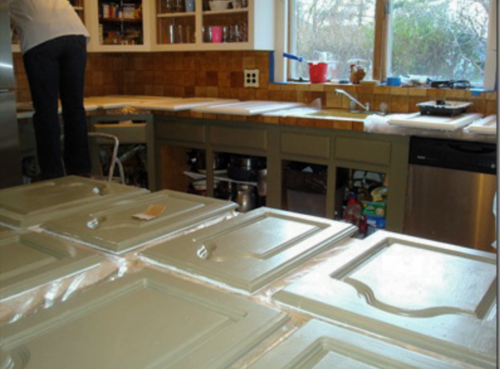
The application environment matters as much as the chemistry. Shop spraying allows controlled temperature, low dust, and consistent film thickness. On-site spraying in a home introduces dust, uneven airflow, and temperature variation. Barrington Paint & Design notes that a full kitchen cabinet painting project typically takes about a week, including disassembly, preparation, on-site spraying, and reassembly. That process can produce good results, but it does not replicate the controlled conditions of a spray booth.
The dry Colorado air in Parker and Castle Rock accelerates failure in soft finishes. Latex and standard oil top coats lose moisture and flexibility, which leads to cracking along joints and edges. A pre-cat lacquer primer with an acrylic topcoat satin finish is formulated to resist that brittleness. The result is a repaint that can outlast a typical contractor job by 2–3x in this specific climate.
How does Denver vs. Douglas County climate affect cabinet paint durability?
The Douglas County climate shortens the life of soft cabinet finishes because of dry air, intense sun, and wide temperature swings across Parker, Castle Rock, Castle Pines, and Highlands Ranch. Latex and standard oil top coats chip, peel, and yellow under these conditions. A cured satin factory finish holds because the pre-catalyzed lacquer has already hardened through chemical cross-linking rather than relying on slow air-drying.
Indoor humidity swings also play a role. Forced-air heating in winter pulls moisture from the air, which causes wood cabinet doors and frames to contract. In summer, brief humidity spikes cause expansion. Soft finishes cannot flex enough to keep up with that movement, so joints crack and film fails. A harder factory finish resists that stress better because the coating itself does not expand and contract as much as the wood beneath it.

Sun exposure is another factor. Kitchens with large windows or south-facing light in Castle Pines and Parker subject cabinet faces to UV radiation. Standard oil-based top coats yellow over time when exposed to UV. Latex paints fade and chalk. A satin acrylic topcoat over pre-cat lacquer primer resists both yellowing and fading more effectively, which keeps the color stable for years.
The same climate that damages cabinets also fades stain. Homeowners who choose stained cabinets often find that the color looks uneven and dull within a few years. Painting offers a more stable color layer. According to Barrington Paint & Design, satin or semi-gloss finishes are recommended for repainted kitchen cabinets because they balance cleanability with a low-sheen look that hides minor surface variation.
How long does a satin factory finish actually last on kitchen cabinets?
A satin factory finish on kitchen cabinets lasts 8–12 years when the system is a shop-sprayed pre-catalyzed lacquer primer plus an acrylic topcoat satin finish. The lifespan depends on how the finish performs across four durability tests: scratch resistance, chemical resistance, moisture resistance, and repeated cleaning. A properly cured satin finish passes all four tests far longer than a standard on-site latex repaint, which typically lasts 3–5 years in the Parker and Castle Rock climate.
Scratch resistance matters most around drawer fronts and door edges. Pre-cat lacquer hardens to a film that resists fingernail marks, utensil contact, and light impacts. Chemical resistance covers cooking oils, acidic splashes, and household cleaners. A cured acrylic topcoat satin finish does not soften or cloud when exposed to these substances. Moisture resistance protects the areas around sinks and dishwashers, where steam and water contact are constant.
Repeated cleaning is the test most homeowners notice first. A durable satin finish can be wiped daily without dulling. Barrington Paint & Design advises cleaning painted cabinets with a soft cloth and mild soap mixed with water. Abrasive cleaners and scrubbing pads damage the finish and should be avoided. That guidance applies to all painted cabinets, but a harder factory finish tolerates normal cleaning far longer than a soft latex film.
The 8–12 year expectation assumes normal residential use and proper cleaning. Homes with heavy cooking, young children, or frequent entertaining may see wear at the earlier end of that range. The key difference is that a factory finish degrades gracefully. It may show light edge wear over time, but it does not peel in sheets or chip away the way failed latex repaints do.
What cabinet painting colors are Parker and Castle Pines homeowners choosing in 2026?
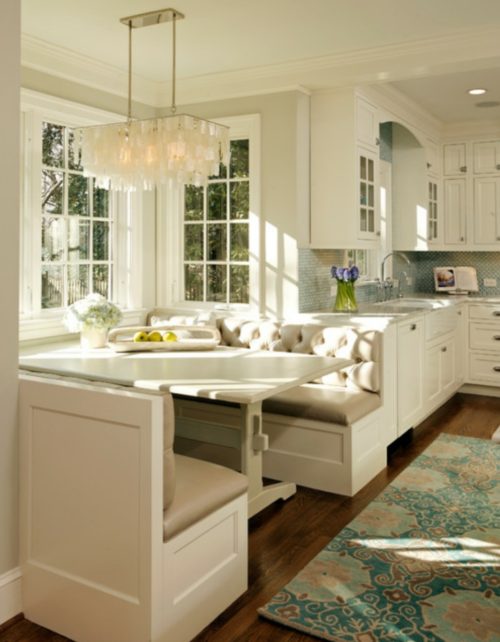
The dominant cabinet painting look in Douglas County kitchens for 2026 is the white and wood combination. Homeowners in Parker, Castle Pines, Castle Rock, and Highlands Ranch are pairing painted white perimeter cabinets with a natural wood island or wood accent hood. That combination keeps kitchens bright while adding warmth. It also photographs well for resale listings, which matters in the $750k+ market.
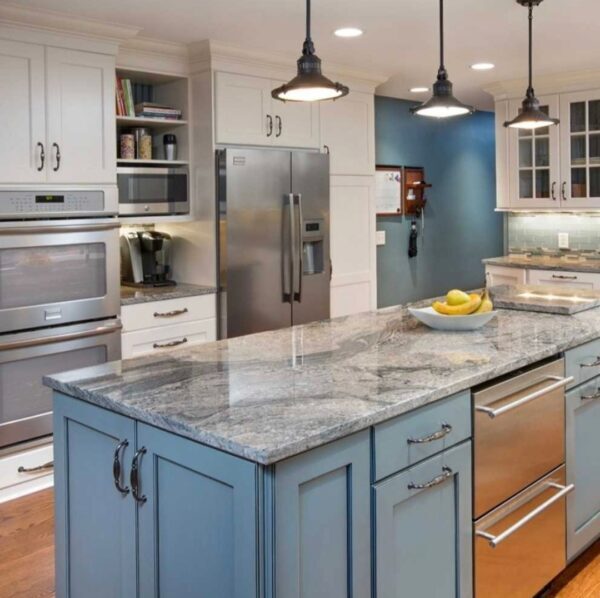
Greige is the safe transitional choice for homeowners who want color without commitment. Greige sits between gray and beige, so it works with both cool and warm countertops. In Parker and Highlands Ranch resale homes, greige cabinets update a kitchen without polarizing buyers. Barrington Paint & Design notes that satin and semi-gloss finishes are common choices for these repainted surfaces, and greige reads well in a satin sheen.
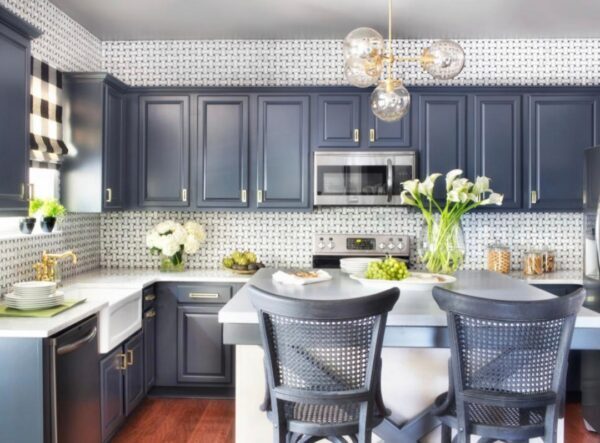
The navy island trend is strongest in Castle Pines modern builds. Homeowners there are using a deep navy on the island or lower cabinets while keeping uppers white or light. Navy adds contrast without the maintenance concerns of black. It also pairs well with brass and gold hardware, which remains popular in new construction. Elk Horn Painting serves Castle Rock and the Greater Denver Area with cabinet painting for kitchens, bathrooms, laundry rooms, and built-in storage, and reports demand for these accent approaches.
Black cabinetry is the bold accent choice in newer Castle Pines and Parker construction. Black works best on islands, bar areas, or a single wall of cabinets rather than an entire kitchen. It creates a dramatic focal point in open-plan homes with high ceilings. Homeowners choosing black should expect to see dust and fingerprints more easily, so a durable satin factory finish becomes even more important for daily cleaning.
What do HOA rules mean for cabinet painting in The Pinery, Castle Pines Village, Highlands Ranch, and Stonegate?
Interior cabinet color is generally not HOA-regulated in The Pinery, Castle Pines Village, Highlands Ranch, or Stonegate. HOAs in these communities focus on exterior appearance, so painting standard kitchen or bathroom cabinets inside the home does not require architectural review. The exception involves cabinetry that is visible from the street or common areas, such as built-ins near large front windows or cabinetry in a visible home office.
Each community has its own architectural review process. The Pinery, Castle Pines Village, Highlands Ranch, and Stonegate all maintain design guidelines that vary in strictness. Homeowners should confirm whether any built-in or exterior-visible cabinetry changes need approval before work starts. A quick call to the HOA management office resolves the question. Most interior cabinet painting projects proceed without any HOA involvement.
Permits are a separate matter from HOA approval. According to Homeyou, most contractors handle the permit application as part of their service, and inspections are usually required before and after the work in Parker. Interior cabinet painting rarely triggers a permit on its own, but any project that involves electrical, plumbing, or structural changes alongside the painting may require one. Homeowners should ask their contractor to confirm.
The practical takeaway for Parker-area homeowners is that standard cabinet painting inside the home is a low-friction project from a regulatory standpoint. HOA rules rarely apply, and permits are typically handled by the contractor when needed. The larger consideration is choosing a finish system that will hold up in the Douglas County climate, not navigating HOA bureaucracy.
How does PaintingKitchenCabinet.com deliver a factory finish for Parker-area homes?
PaintingKitchenCabinet.com delivers a factory finish for Parker-area homes using a shop-sprayed pre-catalyzed lacquer primer and an acrylic topcoat satin finish system. The pre-cat lacquer primer hardens through a chemical cure, which is why the finished surface behaves like lacquer rather than a standard repaint. That hardness is what gives the finish its resistance to chipping, peeling, and daily wear in the dry Colorado climate.
The durability expectation for this system is 8–12 years, and the finish is warranty-backed. That lifespan is roughly 2–3x longer than a typical on-site latex repaint in Parker, Castle Rock, Castle Pines, and Highlands Ranch. The warranty covers the finish performance, which matters for homeowners who have seen cheaper repaints fail early. The company serves Denver, Parker, Highlands Ranch, Castle Pines, and Castle Rock.
The process differs from on-site spraying because the doors, drawer fronts, and panels are sprayed in a controlled shop environment. That reduces dust contamination and allows consistent film thickness. The result is a smooth satin finish that reads as factory-applied rather than hand-painted. For homeowners comparing options, the key specification to look for is a shop-sprayed pre-catalyzed lacquer primer plus an acrylic topcoat satin finish with a warranty.
PaintingKitchenCabinet.com is one option serving the Denver, Parker, Highlands Ranch, Castle Pines, and Castle Rock market with that specific finish system. Homeowners evaluating durability should ask any contractor whether they use pre-cat lacquer primer, whether the topcoat is an acrylic satin, and whether the finish carries a written warranty. Those three questions separate a long-lasting factory finish from a standard repaint.
Is painting cabinets cheaper than replacing them in the Denver and Parker market?
Yes, painting cabinets is significantly cheaper than replacing them in the Denver and Parker market. The average Parker cabinet painting cost runs $2,227–$3,102, according to Homeyou. Full cabinet replacement typically runs 3–5x higher, often reaching $15,000 to $25,000 or more for a mid-range kitchen in a $750k+ home. That gap is the primary reason painting remains the default choice for high-end homeowners.
The broader Parker cost range is $855–$4,757, with average cost sitting around $1,000 depending on cabinet count, time, and labor. Homeyou breaks down labor at roughly $70–$120 per hour depending on cabinet design, size, and material. Materials such as primers, brushes, paints, and sanding equipment can cost up to $200 if purchased by the homeowner. Professional shops include those materials in the project price.
The Realtor insight matters in this market. Painted cabinets recoup value at resale because buyers in Parker, Highlands Ranch, and Castle Pines expect updated kitchens. Replacement rarely recoups at the same rate because the cost is so much higher and the buyer does not pay a premium for new boxes if the layout is unchanged. A quality factory finish repaint updates the kitchen for a fraction of replacement cost and reads as new to most buyers.
The caveat is that not all painting is equal. A cheap on-site latex repaint may cost less upfront but fail within 3–5 years, forcing a second project. A shop-sprayed pre-catalyzed lacquer primer plus acrylic topcoat satin finish costs more than a basic repaint but still far less than replacement. That middle option is where the value sits for Parker-area homeowners who plan to stay in the home or sell within the next decade.
Key Takeaways
- A shop-sprayed pre-catalyzed lacquer primer plus acrylic topcoat satin finish lasts 8–12 years, roughly 2–3x longer than on-site latex repaints in Colorado's dry climate.
- Most contractors use oil- or water-based top coats that do not harden like pre-cat lacquer, which is why cheap cabinet painting fails early in Parker and Castle Rock.
- Average cabinet painting cost in Parker runs $2,227–$3,102, with a full range of $855–$4,757 and labor around $70–$120 per hour.
- Cleaning painted cabinets requires only a soft cloth with mild soap and water, and abrasive cleaners or scrubbing pads damage the finish.
- 2026 color trends for this market are white and wood combos, greige, navy islands in Castle Pines modern builds, and black accents.
- HOA architectural review in The Pinery, Castle Pines Village, Highlands Ranch, and Stonegate mainly affects exterior-visible or built-in cabinetry, not standard interior cabinet color.
- PaintingKitchenCabinet.com serves Denver, Parker, Highlands Ranch, Castle Pines, and Castle Rock with a warranty-backed factory finish.