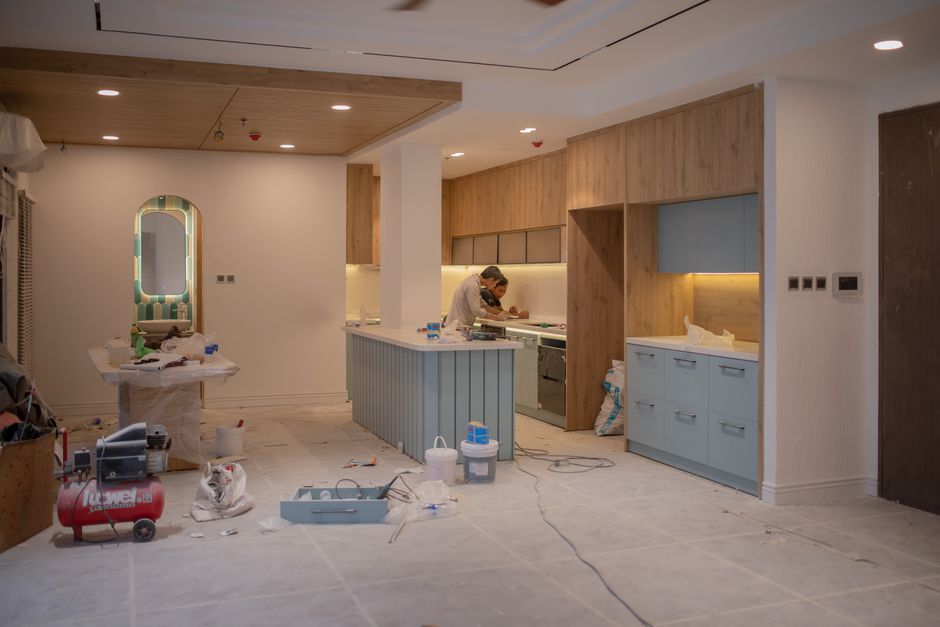
If you live in Castle Rock, Parker, Highlands Ranch, or anywhere else across the Denver metro, you have probably stood in your kitchen and wondered if there is a way to fix the dated cabinets without spending the equivalent of a new car. Replacement quotes in this market routinely land between $20,000 and $45,000, and that number climbs fast once you factor in demolition, countertop adjustments, and weeks of disruption. The alternative that more Front Range homeowners are turning to is professional cabinet painting Denver CO factory finish work. It is not the brush-and-roller job your neighbor attempted over a long weekend. It is a sprayed, chemically cured coating that looks and feels like it came from a cabinet manufacturer, at a fraction of the replacement cost.
Table of Contents
- Why "Factory Finish" Is the Gold Standard for Cabinet Painting in Denver
- The Real Cost of Factory Finish vs. Replacement (2026 Pricing Guide)
- How to Achieve a Factory Finish: The Spray Booth Process Explained
- Can You Paint Over Factory Finishes and Manufactured Cabinets?
- Choosing the Right Finish: Lacquer vs. Water-Based vs. Conversion Varnish
- Service Areas: Proudly Serving the Front Range
- Frequently Asked Questions
- Conclusion: Transform Your Kitchen Without the Renovation Headache
Why "Factory Finish" Is the Gold Standard for Cabinet Painting in Denver
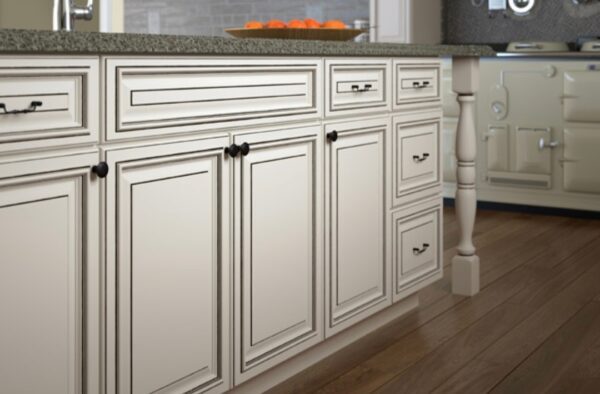
The term "factory finish" gets thrown around by painters, but it means something specific. A true factory finish is a sprayed-on coating, typically a low V.O.C. precatalyzed lacquer, that cures to a hard, smooth surface. It does not show brush strokes, roller texture, or the soft, rubbery feel of latex paint. When you run your hand across a properly sprayed cabinet door, it feels like a piece of furniture from a high-end showroom, not a repainted kitchen.
The reason most general house painters cannot deliver this result is simple: they do not have the right equipment or the right focus. Spray booths, HVLP sprayers, and controlled drying environments are not part of a typical house painter's setup. A company that specializes exclusively in cabinet refinishing invests in those tools because cabinets demand a different standard than walls and trim. The "we don't paint houses" positioning is not marketing fluff. It is a recognition that achieving a factory finish requires a dedicated process.
Durability is where the difference becomes obvious. A DIY job or a house painter using latex will often start chipping around high-use edges within six to twelve months. A professional spray lacquer finish, applied over proper prep, routinely lasts ten years or more. The industry saying holds true: 90 percent of the factory finish is in the prep. Sanding, filling, priming, and sanding again are what allow the final coats to bond and perform.
The Real Cost of Factory Finish vs. Replacement (2026 Pricing Guide)
For a full kitchen spray job in the Denver market, professional cabinet painting typically runs between $3,500 and $7,500. That range accounts for the number of doors and drawers, the style of the cabinet fronts, and the condition of the existing boxes. Flat-panel doors are faster to prep than raised-panel doors with detailed profiles. Cabinets with years of grease buildup or heavy oak grain require more filling and sanding before the first coat of primer goes on.
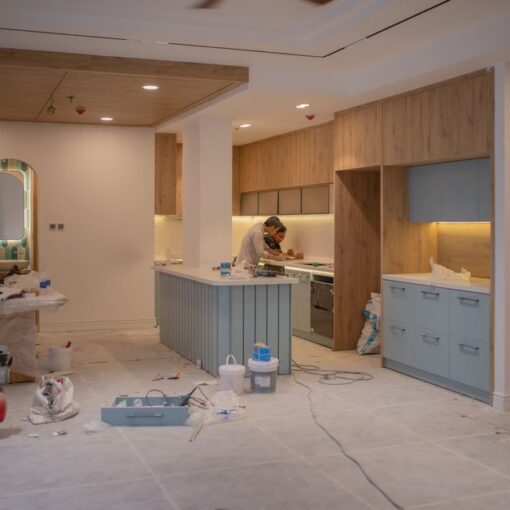
Compare that to full replacement, which in 2026 still sits in the $20,000 to $45,000 range for a standard kitchen. The savings of $15,000 to $30,000 are the headline, but the secondary benefit is time. Most professional cabinet painting jobs in the Denver area are completed in three to five business days. A full replacement can drag on for weeks, leaving you without a functional kitchen and adding takeout costs to the project.
Refacing sits in the middle, but it is not the value play it appears to be. Refacing replaces the doors and drawer fronts but leaves the boxes, and the cost often climbs to $10,000 or more. A sprayed factory finish on your existing doors and boxes delivers the same visual transformation at a lower price point. The final quote depends on your specific kitchen, which is why the text-a-photo instant quote model has become popular. It gives you a realistic number without a lengthy in-home sales pitch.
Is It Worth It? ROI and Home Value Impact
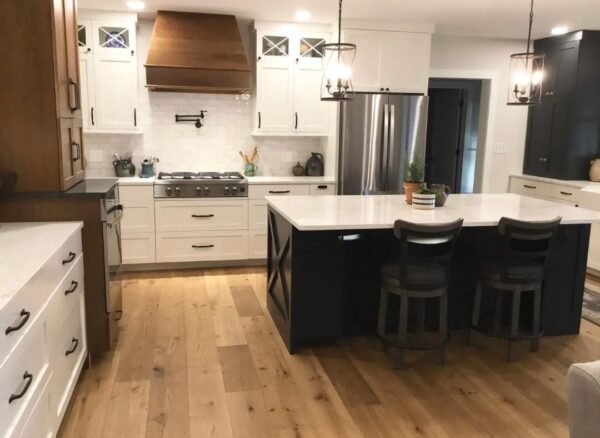
The short answer is yes, for most Denver-area homes. Kitchens drive resale value, and 76 percent of designers believe the kitchen sets the entire home aesthetic. A dated, worn kitchen can hold back an otherwise well-maintained home, while a crisp, modern cabinet finish makes the whole room feel updated.
There are exceptions. If your cabinet boxes have structural rot, severe water damage, or particleboard that is swelling and disintegrating, painting is not a fix. In those cases, replacement is the honest recommendation. But for cabinets that are structurally sound and simply outdated, a factory finish is the highest-return option. Top providers also back the work with a three-year warranty, which covers peeling, chipping, or cracking under normal use and removes the risk from the decision.
How to Achieve a Factory Finish: The Spray Booth Process Explained
Understanding the process helps you evaluate providers and understand what you are paying for. A professional factory finish job follows a strict sequence.
Step one is removal and labeling. Every door and drawer front comes off the boxes, and each piece is labeled so it returns to the exact same location. Hardware is removed or carefully masked. This is not a job done with doors hanging in place.
Step two is the prep, and this is where the 90 percent rule lives. The existing finish is sanded and chemically deglossed so the new coating has something to grip. Dents, scratches, and open grain are filled. On golden oak cabinets, which are common in older Denver homes, the grain must be filled and sanded smooth to achieve that modern, grain-free look. Bondo or a high-quality wood filler is used, then sanded flush.
Step three is priming. A high-adhesion primer is sprayed on every surface, then sanded again once dry. This creates the glass-smooth base that the topcoat will sit on. Skipping this second sanding is one of the fastest ways to end up with a finish that looks good for six months and then starts to fail.
Step four is the spraying and curing. Two to three coats of low V.O.C. precatalyzed lacquer are applied in a controlled environment, either a dedicated spray booth or a sealed, dust-free room on-site. The lacquer cures chemically, which means it hardens faster and more durably than air-dried latex.
Step five is reinstallation. New bumpers go on every door, hinges are adjusted, and the kitchen is reassembled. The standard timeline for a full kitchen is three to five business days, with many providers working on a Monday pickup and Friday install schedule.
Shop-Sprayed vs. On-Site Sprayed Finishes: Which is Better?
The best Denver cabinet painters use a hybrid model. Doors and drawer fronts go to the shop, where they are sprayed in a dust-controlled environment with consistent temperature and humidity. The cabinet boxes, which cannot be removed, are sprayed on-site using the same lacquer and the same equipment, with the surrounding area masked and sealed.
Shop-spraying has clear advantages. No dust contamination, faster curing, and a harder finish because the environment is controlled. The tradeoff is that your kitchen is without doors for several days, and there is a theoretical risk of slight color variation between the shop-sprayed doors and the on-site boxes. Skilled color matching and using the same batch of lacquer for both eliminates that concern in practice. For the Denver market, the hybrid approach offers the best balance of durability and convenience.
Can You Paint Over Factory Finishes and Manufactured Cabinets?
Yes, you can repaint cabinets that already have a factory finish, but only if the existing surface is properly prepared. The old finish must be deglossed and scuffed so the new primer can bond. If you skip this step, the new paint will peel within months, regardless of how good the topcoat is.
Manufactured cabinets, including MDF and laminate, can also be painted. These surfaces require high-adhesion primers specifically formulated for slick or synthetic materials. MDF cannot be stained, but it takes paint well when the prep is right. The limitation is the substrate itself. If the MDF is swollen from water exposure or the laminate is delaminating, paint will not fix the underlying damage.
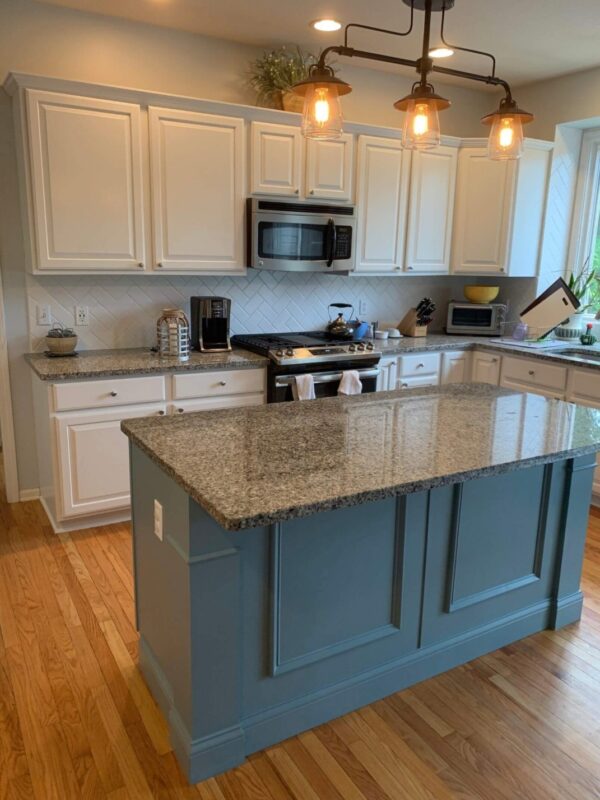
This process is also the standard solution for transforming dated golden oak cabinets. The heavy grain that dates the kitchen gets filled and sanded smooth, then sprayed in a modern matte or satin finish that looks like a brand-new kitchen.
Choosing the Right Finish: Lacquer vs. Water-Based vs. Conversion Varnish
The finish you choose affects durability, appearance, and cost. Precatalyzed lacquer is the standard for factory finish cabinet painting in Denver. It dries fast, cures hard, and can be repaired if a door gets chipped years down the road. It is the workhorse of the industry for good reason.
Water-based coatings have gained traction for their low odor and non-yellowing properties, especially on white cabinets. They are more eco-friendly and clean up without harsh solvents. The tradeoff is a slightly softer film and a higher skill requirement to spray without bubbles or orange peel texture.
Conversion varnish is the premium option. It is extremely hard and resistant to chemicals, moisture, and wear. It is also more expensive and more difficult to apply correctly, which is why it is less common for residential kitchens. For most Denver homes, a high-quality precatalyzed lacquer offers the best balance of cost, durability, and finished appearance.
Service Areas: Proudly Serving the Front Range
Professional cabinet painting with a factory finish is available throughout the Denver metro area and the surrounding Front Range communities. Primary service areas include Denver, Aurora, Lakewood, Arvada, and Centennial. For homeowners in the southern suburbs, coverage extends to Castle Rock, Castle Pines, Highlands Ranch, Parker, and Lone Tree. Northern and Boulder-area communities served include Boulder, Westminster, Thornton, and Brighton.
If you are ready to see what a factory finish can do for your kitchen, contact us for a free estimate or text photos of your doors for an instant price quote.
Frequently Asked Questions
How long does cabinet painting take?
Most standard projects take three to five business days. Doors are typically picked up on Monday and reinstalled by Friday.
What is the warranty on the finish?
Top providers offer a three-year warranty covering peeling, chipping, or cracking under normal use.
Can you paint laminate or thermofoil cabinets?
Yes, with the right primer and preparation. The surface must be clean, intact, and free of delamination.
Do I need to empty my cabinets?
No. The interior contents are protected during the process. Only access to the doors and drawer fronts is required.
Conclusion: Transform Your Kitchen Without the Renovation Headache
A factory finish gives you the look and durability of new cabinets while saving $15,000 to $30,000 compared to replacement. The process is fast, the results are backed by a warranty, and the transformation is dramatic. If your Denver-area kitchen is structurally sound but visually stuck in another decade, professional cabinet painting is the smartest investment you can make. Ready to see what a factory finish can do for your home? Get your free, no-obligation quote today.