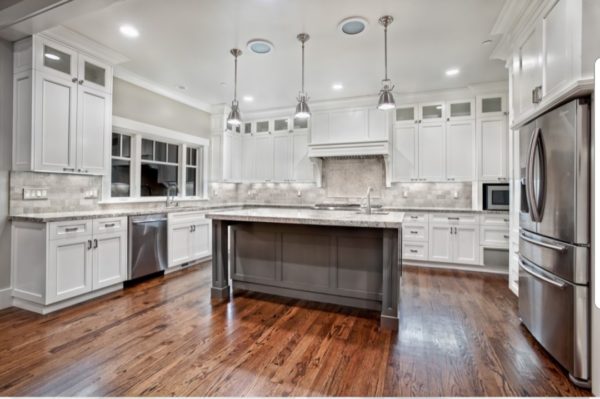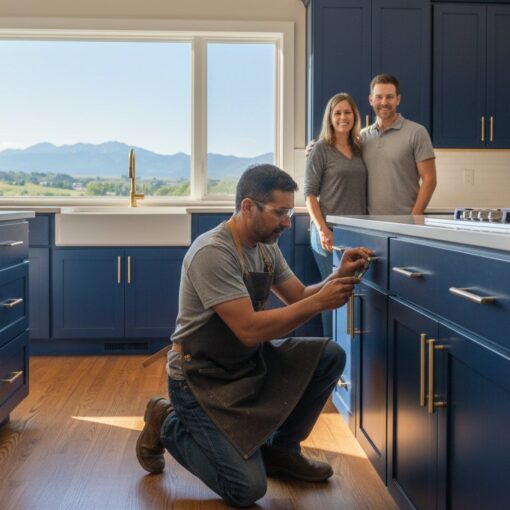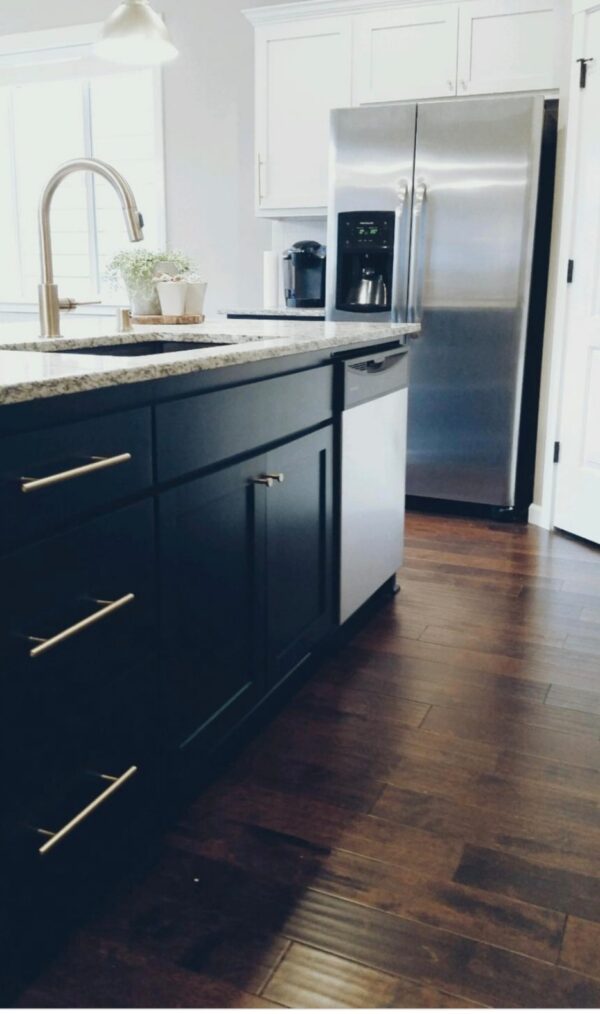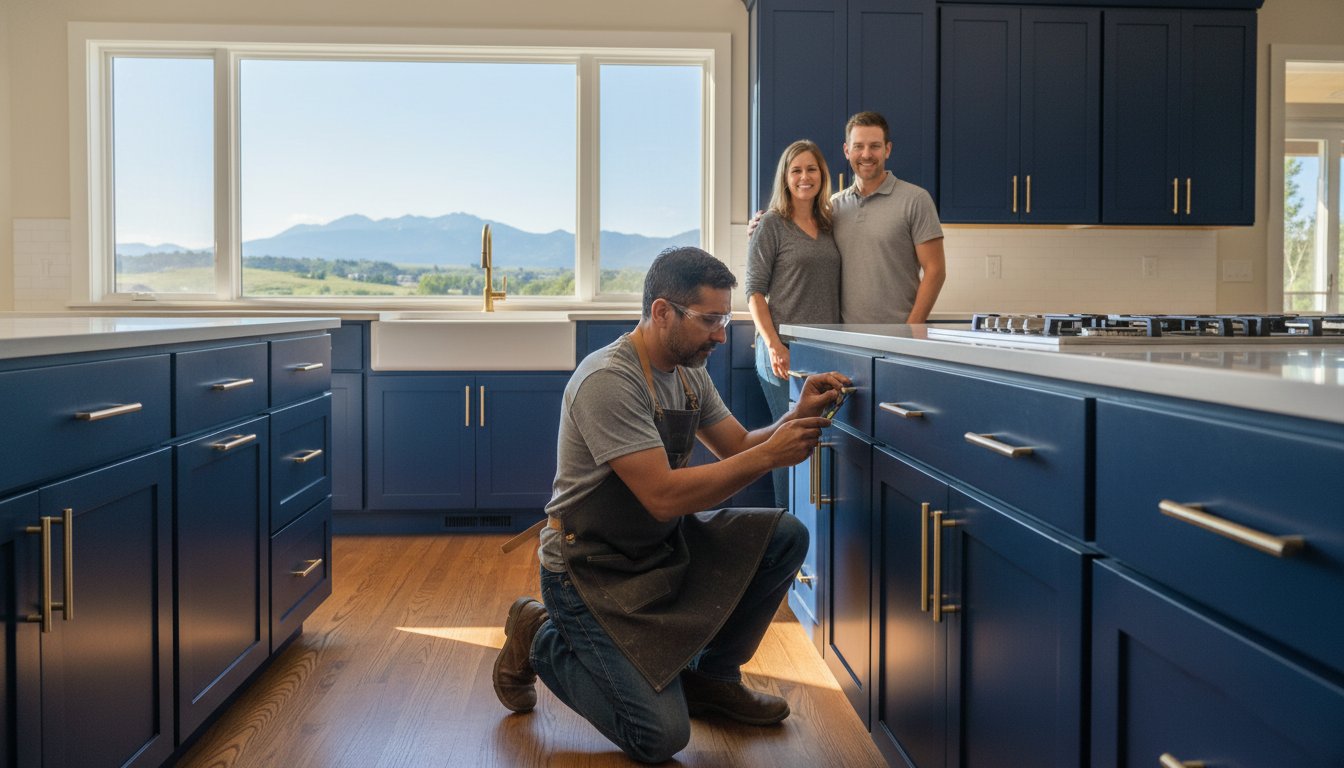
Choosing the wrong paint for your kitchen cabinets is a recipe for failure. Weeks of hard work can be ruined by chipping, peeling, or yellowing in just a few months, leaving you with a streaky, amateur finish that constantly reminds you of the mistake. That’s why finding the best paint for kitchen cabinets is about more than just picking a color; it’s about selecting a product engineered for the high-demand environment of a kitchen. But the shelves at your local hardware store are filled with confusing options-alkyds, urethanes, acrylics-and the truth is, what’s available to you is fundamentally different from what a professional uses.
Cabinet Refinishing Service Areas in Denver & Surrounding Cities, Cabinet Painting in Denver County, CO
Serving Lakewood, CO, Littleton, CO, Golden, CO,
Arvada, CO, Wheat Ridge, CO,
and Parker CO. Castle Pines CO. Englewood CO. Centennial CO.
Cabinet Painting in Arapahoe County, CO
Including Centennial, CO, Greenwood Village, CO,
Cherry Hills Village, CO, Englewood, CO,
and Aurora, CO.
Cabinet Painting in Adams County & Broomfield, CO
This guide cuts through the noise. We will break down the top-rated retail paints that deliver a respectable, lasting finish for a DIY project. More importantly, we’ll pull back the curtain and show you the industrial-strength, precatalyzed coatings that professionals rely on to achieve a true, rock-hard factory finish. You will learn why proper preparation is the most vital factor and gain the confidence to choose the right path for a durable, beautiful kitchen you can be proud of for years to come.
Key Takeaways
-
Learn why the industrial-strength coatings professionals use for a factory finish are fundamentally different from paints sold at retail stores.
-
Understand the three critical factors-durability, adhesion, and smoothness-that truly define a successful and long-lasting cabinet paint job.
-
Get our professional breakdown of the top retail options to find the best paint for kitchen cabinets if you are committed to the DIY path.
-
Distinguish between the main types of cabinet paint available to consumers and learn which chemistry provides the most durable finish.
Table of Contents
Understanding Cabinet Paint: Key Types and Finishes
The first thing to understand is that cabinet paint is not the same as the latex paint on your walls. Your kitchen cabinets are a high-touch, high-impact surface. They face daily abuse from hands, grease, moisture, and cleaning chemicals. Standard wall paint will fail quickly, leading to chipping, staining, and a finish you’ll regret. The best paint for kitchen cabinets is an industrial-strength enamel designed for one thing: durability.
To achieve a true factory finish, you must choose a product with the right chemistry for the job. Consumer-grade paints generally fall into three categories, each with distinct advantages and disadvantages.
Water-Based Acrylic Latex Paints
Modern acrylic paints are user-friendly, making them a popular choice for DIY projects. They have low odor (low VOCs), dry quickly, and clean up easily with just soap and water. However, a standard acrylic paint lacks the hardness required for cabinets. For this application, you must use an acrylic enamel fortified with urethane for added durability and scuff resistance. Without it, the finish will remain too soft.
Oil-Based / Alkyd Paints
For decades, oil-based (or alkyd) paint was the only choice for a rock-hard, professional finish. It offers incredible durability and self-levels beautifully, hiding brush strokes. But its drawbacks are significant: it has a very strong smell from high VOCs, requires mineral spirits for cleanup, and can take days to cure properly. Oil-based paints also tend to yellow over time, especially in lighter colors.
Hybrid Enamels (Water-Based Alkyd)
This is where the professionals and serious DIYers land. Hybrid enamels deliver the best of both worlds. They have the superior hardness, adhesion, and smooth leveling properties of an oil-based paint but with the easy, water-based cleanup and low odor of an acrylic. Products like Benjamin Moore ADVANCE and Sherwin-Williams Emerald Urethane Trim Enamel are industry leaders in this category, offering a reliable path to a factory-quality finish.
Beyond the paint type, the finish, or sheen, is critical. For cabinets, we recommend either a satin or semi-gloss finish. Satin has a lower luster that is excellent at hiding minor imperfections, while semi-gloss offers a slightly more reflective and wipeable surface. The specific Paint sheen you select directly impacts cleanability and the final look. We advise against high-gloss, as it highlights every single flaw in the surface and requires an absolutely perfect, professional-level application.
Finally, remember that the right paint choice depends entirely on your cabinet material. The proper preparation and primer needed for solid wood are vastly different from what’s required for laminate or MDF. Proper prep is the most vital factor in any cabinet painting project.
The 3 Non-Negotiable Factors for a Lasting Cabinet Finish
Homeowners often get fixated on a specific brand, thinking it’s the single secret to a beautiful finish. But the search for the best paint for kitchen cabinets is not about what’s inside a single can. It’s about the final, finished product. A professional, factory-quality finish is defined by three factors that work together: durability, adhesion, and smoothness. If any one of these fails, the entire project fails.
Durability and Chemical Resistance
Your kitchen is a high-traffic, high-abuse environment. Cabinet doors and drawers are constantly being opened, closed, and bumped. They are exposed to grease, steam, food splatters, and harsh cleaning agents. A standard house paint simply cannot withstand this assault. You need an industrial-strength coating that cures to a hard, non-porous surface. This is critical: we’re talking about curing time, not just drying time. A paint can be dry to the touch in hours but may take weeks to fully cure and achieve maximum hardness and chemical resistance. This curing process is what creates a finish that you can actually scrub without fear of it failing.
Adhesion: Why Prep Work is Everything
This is the most vital factor, period. You can buy the most expensive, high-tech coating on the market, but it will peel, chip, and fail if it’s applied over a poorly prepared surface. Proper adhesion is not about the paint-it’s about the painstaking, labor-intensive work that comes before any paint is ever applied. There are no shortcuts here. The mandatory steps include:
-
Deep Cleaning: Every trace of grease, oil, and grime must be removed with a powerful degreaser.
-
Sanding: The old finish must be scuff-sanded to remove the gloss and create a microscopic profile for the new primer to grip onto.
-
Priming: A high-quality, industrial-strength bonding primer is essential to ensure the topcoat locks onto the cabinet surface permanently.
This preparation stage is where 90% of the labor is and where most DIY projects go wrong. It’s the difference between a finish that lasts for years and one that starts failing in months. The quality of this prep work directly determines the final smoothness and longevity of the best paint for kitchen cabinets.
Pro-Grade Coatings vs. Retail Paints: The Hidden Difference
When you begin searching for the best paint for kitchen cabinets, you are unknowingly stepping into two completely different worlds: the world of retail paint and the world of professional coatings. While many high-quality DIY guides and publications feature retail paints that have been Tested by Experts for brush-and-roll application, professional cabinet refinishers operate in a different league. The simple truth is that professionals who guarantee a durable, factory-like finish do not use products from a big-box hardware store.
Retail paints are formulated for the amateur. They have longer drying times to allow for leveling with a brush, are safer for non-ventilated spaces, and are designed for simple cleanup. This is not a bad thing for a DIY project, but it is not the standard for high-end cabinet work. These products simply cannot match the hardness and resilience of a true industrial coating.
What Professionals Use: Industrial-Strength Coatings
True cabinet refinishing professionals use industrial-strength coatings designed for one purpose: creating a flawless, rock-hard finish. We don’t use "paint"; we use specialized products like pre-catalyzed lacquers, conversion varnishes, and industrial-strength acrylics. These are not formulated for a brush. They are thin, fast-drying materials designed exclusively for application with High Volume, Low Pressure (HVLP) spray systems in a controlled environment. The benefits are non-negotiable for a lasting finish:
-
Superior Hardness: These coatings cure through a chemical reaction, creating a much harder and more scratch-resistant surface than any air-dry retail paint.
-
Faster Curing: A catalyzed lacquer can be sandable in under an hour and fully cured in days, not weeks, meaning you get your kitchen back faster.
-
A Perfect, Even Finish: When sprayed correctly, these coatings "lay down" perfectly smooth, with no brush marks or roller stipple, achieving a true factory finish.
Why You Can’t Buy These at a Retail Store
You will not find these professional-grade products on the shelf at your local home improvement store, and for good reason. Applying them requires extensive training and specialized equipment, including commercial-grade ventilation and respiratory protection, due to the volatile organic compounds (VOCs) they release during application. For this reason, suppliers will often only sell these materials to established professional accounts. This is the hidden difference in finding the best paint for kitchen cabinets: the top-tier products are only available to, and safely handled by, trained technicians who do this work every single day.

Top 4 Retail Paints for a DIY Cabinet Project in 2026
If you are committed to the labor-intensive path of a DIY cabinet refinishing project, using the right materials is non-negotiable. While no brushed-on or rolled-on finish can truly replicate the flawless, durable surface of a professional spray application, some retail products perform far better than others. After decades in this business, we know what works. Here are the consumer-grade options that stand up best to the demands of a busy kitchen.
Benjamin Moore ADVANCE
This is a water-based alkyd enamel, which gives you the hardness of an oil-based paint with the easier cleanup of a water-based one. Its greatest strength is its exceptional self-leveling capability, which helps to minimize the brush and roller marks common in DIY projects. However, be prepared for a very long cure time-your cabinets can remain susceptible to dings and scratches for up to 30 days.
Price: Premium (~$70-$90/gallon)
Sherwin-Williams Emerald Urethane Trim Enamel
For sheer durability, this is one of the toughest paints you can buy off the shelf. Like ADVANCE, it’s a water-based alkyd that creates a hard-wearing finish ideal for high-traffic kitchen cabinets. The main challenge with this product is its fast drying time. It leaves very little room for error, making it difficult for an inexperienced painter to apply without creating lap marks or imperfections.
Price: Premium (~$90-$110/gallon)
INSL-X Cabinet Coat
As the name implies, this urethane-acrylic enamel is specifically formulated for cabinetry. It provides excellent adhesion and dries to a hard, satin finish that resists chipping and scuffs. Its biggest weakness is that it is not forgiving. If your surface preparation-sanding, cleaning, and priming-is anything less than perfect, this paint will not hide the flaws.
Price: Mid-Range (~$60-$80/gallon)
Pro-Tip: The Primer is More Important Than the Paint
Your choice of topcoat means nothing if the foundation is weak. Finding the best paint for kitchen cabinets is only half the battle; the primer does the real work. For a lasting result, a high-adhesion bonding primer or a shellac-based primer like Zinsser B-I-N is mandatory. This step is critical for blocking wood tannins (the yellow bleed-through on oak and cherry) and ensuring your expensive topcoat doesn’t peel off in a year. Skipping this step is the single biggest mistake DIY painters make. If the intensive prep and application process feels overwhelming, a professional service guarantees a flawless, factory-grade finish without the risk.
Beyond DIY: How Professionals Achieve a Flawless Factory Finish
While choosing a high-quality paint is a crucial first step, the truth is that the best paint for kitchen cabinets is only one component of a successful project. The real difference between a good-looking DIY job and a stunning, long-lasting transformation lies in achieving a true "factory finish." This means a surface that is perfectly smooth to the touch, with no brush strokes or roller texture, and an incredibly durable coating that resists chipping, yellowing, and daily wear-and-tear.
Achieving this level of quality is not about a secret paint formula; it’s about a meticulous, labor-intensive process that combines a controlled environment, specialized equipment, and years of hands-on experience. It’s a standard that is nearly impossible to replicate with a weekend project.
The Power of Spray Application
The most visible difference between a professional and amateur finish is the application method. We exclusively use High-Volume, Low-Pressure (HVLP) sprayers that atomize the coating into a fine mist. This process lays down a perfectly even, thin layer that self-levels into a seamless, glass-like surface. In contrast, even the most skilled painter cannot avoid leaving subtle brush strokes or the stippled texture from a foam roller. To ensure perfection, all doors and drawers are removed and taken to our off-site spray booth-a controlled environment free from dust and debris.
The Professional Refinishing Process
A flawless finish is built on a foundation of painstaking preparation. Our cabinet refinishing process is designed to guarantee adhesion and durability, justifying the investment in professional work. The finish is only as good as the prep work underneath it.
-
Meticulous Disassembly: Every door, drawer, and piece of hardware is carefully removed and labeled.
-
Thorough Degreasing: Years of kitchen grease and grime are stripped away with industrial-strength cleaners to ensure the new coating can bond directly to the surface.
-
Precision Sanding: We sand every square inch to remove the old finish and create the ideal surface profile for the primer to grip onto.
-
High-Adhesion Priming: A coat of precatalyzed primer is sprayed to block stains and create a uniform base for the topcoat.
-
Multiple Finish Coats: We apply several thin coats of industrial-strength cabinet coating, allowing for proper curing time between each layer to build a hard, durable shell.
This is the work required to produce a finish that looks and feels brand new. For a guaranteed, durable factory finish in Denver without the risk, text us for a fast, accurate quote.
The Final Verdict: A Flawless Finish for Your Kitchen Cabinets
Navigating your kitchen cabinet update comes down to one core decision: the level of quality and durability you demand. While this guide highlights the top retail options for a skilled DIYer, the fundamental gap between store-bought paint and professional-grade coatings remains vast. Remember, a lasting finish is built on non-negotiable preparation and the right materials. Choosing the best paint for kitchen cabinets is ultimately about investing in a complete system, not just a single product, to ensure your results withstand the test of time.
For homeowners in Denver seeking a truly permanent solution, the professional path offers unmatched value. With over 45 years of hands-on experience, we bypass retail limitations entirely. Our process relies exclusively on industrial-strength spray coatings and meticulous prep work to achieve a guaranteed flawless, factory-like finish. This isn’t just paint; it’s a long-term investment in your home’s most important space. See the difference a professional finish makes. Get your free Denver cabinet painting estimate. Your dream kitchen is closer than you think.
Frequently Asked Questions About Painting Kitchen Cabinets
Can I use regular latex wall paint on my kitchen cabinets?
No. We strongly advise against using standard latex wall paint. These paints are not formulated to withstand the high-touch, high-moisture environment of a kitchen. They lack the hardness and durability needed, which leads to chipping, peeling, and a finish that cannot be properly cleaned. A true cabinet coating, like an industrial urethane enamel, is required for a lasting, factory-quality result. Using the wrong product is a guarantee of paint failure.
Do I really need to sand my cabinets before painting?
Yes, sanding is a non-negotiable step in professional cabinet refinishing. Proper preparation is the most vital factor for a durable finish. Sanding de-glosses the old surface and creates a "profile" or microscopic texture that allows the primer to create a strong mechanical bond. Without this step, the new paint has nothing to grip and will inevitably peel away from the surface, especially in a high-use area like a kitchen. Do not skip the prep work.
What’s the best primer to use for kitchen cabinets?
The correct primer is critical for adhesion and stain blocking. For most kitchen cabinet projects, a high-quality shellac-based or oil-based bonding primer is the professional standard. These products are excellent at blocking wood tannins and stains from bleeding through the topcoat. They create a superior bond to existing finishes. For the ultimate system, we use industrial-strength precatalyzed primers that form an unbreakable foundation for the paint, which is essential for long-term durability.
How long does it take for cabinet paint to fully cure?
There is a major difference between "dry time" and "cure time." A cabinet may be dry to the touch in hours, but it is not fully hardened. The curing process, where the paint achieves its maximum durability and chemical resistance, typically takes 14 to 30 days. During this period, it is important to be gentle with your newly painted cabinets. Avoid aggressive cleaning or impact to allow the finish to harden completely.
Is it cheaper to paint cabinets myself or hire a professional?
While a DIY project has a lower initial cost for materials, it is an extremely labor-intensive process that requires skill and the right equipment to avoid a poor result. Professionals use industrial-grade coatings and specialized HVLP sprayers that are necessary for a smooth, durable finish. The cost of hiring a professional prevents the much higher expense of having to fix or completely redo a failed DIY paint job, ensuring the work is done right the first time.
Will painted cabinets chip easily?
Cabinets will chip if the preparation is poor and the wrong products are used. However, professionally painted cabinets using a proven system will not chip from normal use. The key to a chip-resistant finish is meticulous prep work and using the best paint for kitchen cabinets, which is an industrial-strength coating. When properly applied over a bonded primer, the finish creates a hard, durable shell that is designed to withstand the daily wear and tear of a kitchen.
How do you prevent brush marks when painting cabinets?
The only way to achieve a true, factory-like finish without any brush or roller marks is to spray the paint. Professionals use HVLP (High Volume, Low Pressure) spray systems to apply thin, even coats of primer and paint. This technique atomizes the coating, allowing it to lay down on the surface perfectly smooth. While some additives can help "level" brushed paint, they cannot replicate the flawless, durable surface that only a professional spray application can provide.