If you have been staring at dated oak cabinets and wondering whether a factory-smooth painted finish is possible without a full kitchen remodel, the answer is yes. Cabinet painting Highlands Ranch CO factory finish services have become the preferred route for homeowners who want a high-end look without the cost, mess, and timeline of replacement. This guide walks through the entire before and after journey, from the initial assessment to the final walkthrough, so you know exactly what to expect and what questions to ask.
Table of Contents
- Why Highlands Ranch Homeowners Choose Factory-Finish Cabinet Painting
- Before: What to Expect During the Initial Assessment
- The Factory-Finish Process: Step-by-Step Breakdown
- How Long Does Cabinet Painting Take in Highlands Ranch?
- Cost Factors: What Determines Your Cabinet Painting Price
- Choosing the Right Paint and Sheen for Durability
- After: What a Factory-Finish Result Looks Like (and How to Maintain It)
- Cabinet Painting vs. Refacing vs. Replacement: A Comparison
- Why Local Experience Matters in Highlands Ranch and South Denver
- Frequently Asked Questions About Factory-Finish Cabinet Painting
- Get Started: Your Next Steps for Cabinet Painting in Highlands Ranch
Why Highlands Ranch Homeowners Choose Factory-Finish Cabinet Painting
A factory finish, in the context of professional cabinet painting, refers to a spray-applied coating that mimics the smooth, uniform surface you would expect from a high-end cabinet manufacturer. Unlike brush-and-roll DIY results, which often leave visible strokes and texture, a professional spray system lays down thin, even coats that cure to a hard, furniture-grade surface.
The financial case is compelling. Industry benchmarks consistently show that painting existing cabinets costs roughly 40 to 60 percent less than full replacement. For a typical Highlands Ranch kitchen, that can mean tens of thousands of dollars saved. Time is another factor. Full replacement often stretches across several weeks of demolition, countertop disruption, and contractor coordination. Professional cabinet painting, by contrast, is typically completed in three to five days of active work.
There is also the layout advantage. If your current kitchen footprint works for your household, painting lets you keep it. No plumbing moves, no electrical changes, no permit headaches. Many Highlands Ranch homes built between the 1990s and 2010s feature builder-grade oak or maple cabinets that are structurally sound but visually stuck in another decade. Those boxes are ideal candidates for a factory-finish transformation.
Before: What to Expect During the Initial Assessment
The On-Site Consultation
A thorough contractor will evaluate several things during the first visit: the condition of the cabinet boxes, the total number of doors and drawers, the wood species, the existing finish type, and the current hardware style. All of these factors influence prep requirements, product selection, and the final quote.
The consultant should also be candid about whether your cabinets are good candidates for painting at all. Cabinets with solid wood frames, stable joints, and intact veneers almost always qualify. The key question to ask is how the contractor handles adhesion on factory-finished surfaces, since mass-produced cabinet lines often have a slick topcoat that resists paint without proper preparation.
Before the crew arrives, plan to clear all items from your cabinets and countertops. The painters will detach doors and drawers themselves, but an empty kitchen speeds the process and protects your belongings.
When Painting Is NOT the Right Choice
Paint cannot fix structural problems. Water-damaged particleboard, delaminating veneers, or failing joints will continue to deteriorate under a new coating. If you are planning major layout changes, such as moving appliances, adding an island, or reconfiguring the kitchen footprint, replacement may be the more honest investment. A trustworthy contractor will tell you when painting is the wrong path and may even coordinate carpenters for repairs before any finish work begins.
The Factory-Finish Process: Step-by-Step Breakdown
Step 1: Prep and Protection
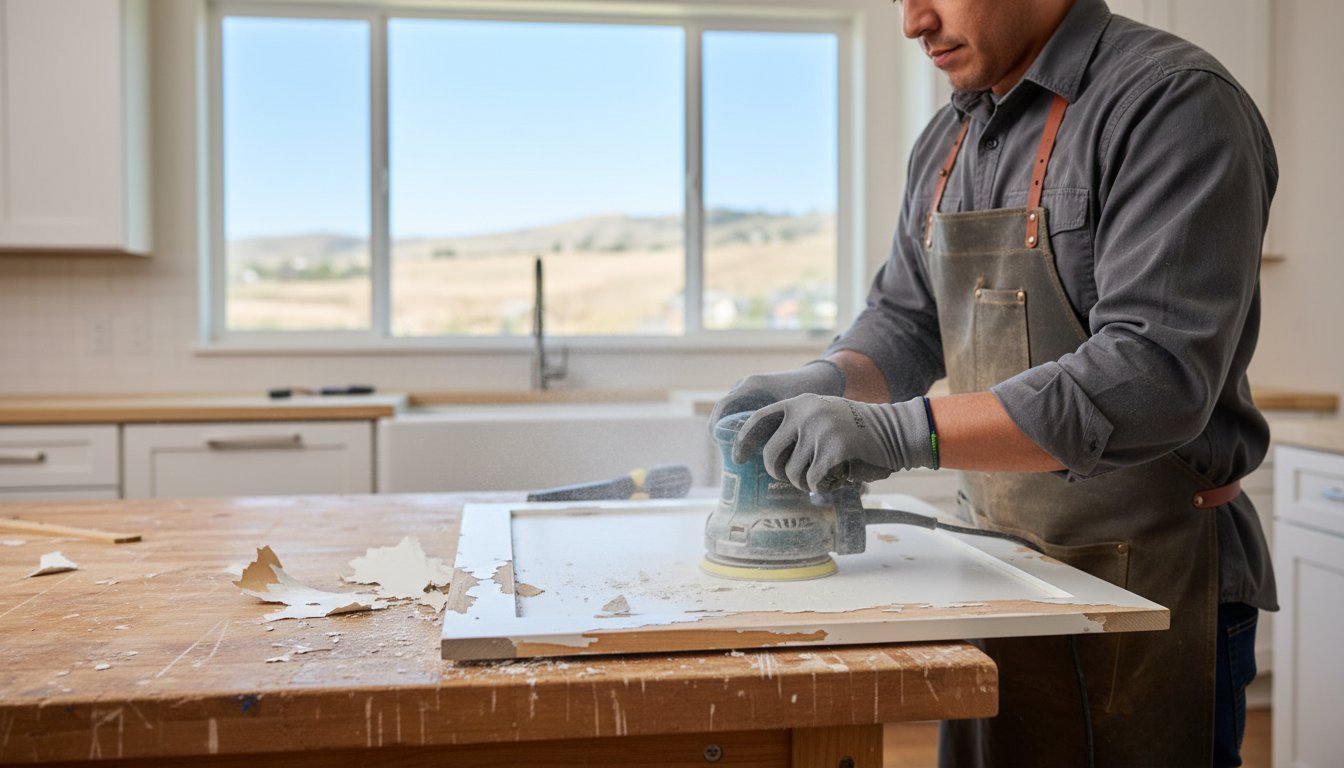
The crew begins by masking and covering floors, countertops, appliances, and adjacent surfaces. Every door, drawer, and hinge is removed and labeled with a precision system that ensures perfect reassembly. Surfaces are then cleaned and degreased. This step is non-negotiable for adhesion, especially on factory-finished cabinets that have accumulated years of cooking residue.
Step 2: Sanding and Priming
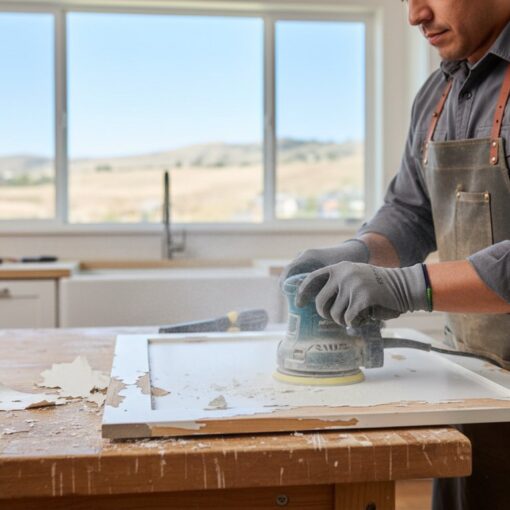
Light sanding scuffs the existing factory finish and creates the mechanical bond that primer needs. A high-quality bonding primer is then applied to cabinet boxes and every door and drawer front. For open-grain woods like oak, an optional grain-softening treatment can reduce the wood texture, taking the surface from lightly textured to near furniture-smooth. This is a distinctive service for homeowners who want a modern, sleek look without the cost of new doors.
Step 3: Spray Application
Doors and drawers are typically finished off-site in a controlled environment, running in parallel with on-site box painting. This workflow minimizes disruption and keeps dust away from wet surfaces. Cabinet-grade enamel is applied through professional spray equipment in multiple thin coats rather than one heavy coat. That layering is what produces the factory-smooth, uniform appearance and long-term durability.
Step 4: Reassembly and Final Walkthrough
Once the finish has cured enough for handling, doors, drawers, and hardware are reinstalled using the labeling system. The contractor then walks the kitchen with you to inspect coverage, edges, and hardware function. Light use is generally safe within 24 to 48 hours, with full chemical cure taking up to seven days.
How Long Does Cabinet Painting Take in Highlands Ranch?
Most Highlands Ranch kitchens are completed in three to five days. Variables that affect duration include total cabinet count, the number of doors and drawers, the complexity of trim such as crown molding, light rail, and toe kicks, and whether cabinet interiors are included in the scope. Off-site door finishing compresses the overall timeline because it runs concurrently with box painting.
Expect real kitchen downtime. You will not be able to use your kitchen normally during the active painting phase. Experienced homeowners recommend setting up a temporary coffee station and planning meals for about one week of limited access.
Cost Factors: What Determines Your Cabinet Painting Price
Several pricing drivers determine your final quote. The primary factors are total cabinet size, the number of doors and drawers, whether you are transitioning from stain to paint or painting over an already-painted surface, and whether finishing happens on-site, off-site, or both. Project duration also plays a role.
Finish type matters more than many homeowners realize. Moving from stained to painted cabinets requires additional prep and typically costs more than repainting a surface that is already painted. Add-on services that affect price include grain-softening for oak, interior cabinet painting, custom color matching, hardware replacement, and trim work such as crown molding, light rail, and toe kicks.
There is no single average price that applies to every Highlands Ranch kitchen. The responsible approach is to gather at least three itemized quotes from local contractors. Be wary of quotes that seem unusually low, they often skip prep steps or rely on inferior paint. Quotes that are vague about product names should also raise questions.
Choosing the Right Paint and Sheen for Durability
Cabinet-grade enamels are the standard for professional results. Ask your contractor to name the exact product line they use. If they cannot, that is a red flag. The best products are formulated specifically for cabinetry and millwork, with additives that resist chipping, yellowing, and household cleaners.
Sheen guidance splits into two camps. Satin or low-luster is the most requested finish for a soft, modern look that hides minor surface imperfections. Semi-gloss offers maximum wipeability for high-traffic kitchens and is easier to scrub without dulling. High-sheen options are the most durable and easiest to clean, but they show surface irregularities more readily.
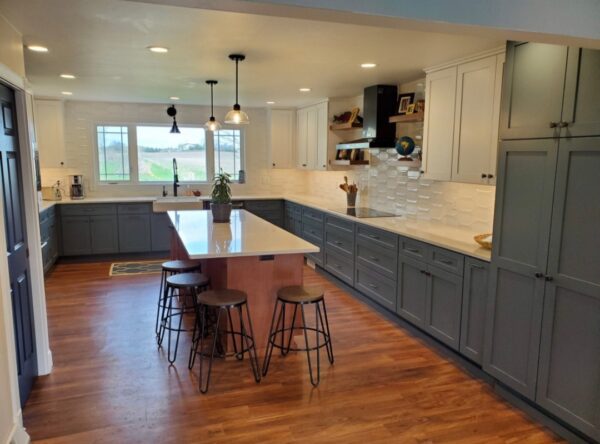
Color trends in Highlands Ranch remain anchored in white, black, espresso, and grey. One local consideration is altitude. Colorado's bright, high-altitude sun can cool whites and intensify blues, so a color that looks right in a showroom may shift in your kitchen. Work with a color consultant who understands this effect, and always test real paint samples on spare doors or sample boards before committing.
After: What a Factory-Finish Result Looks Like (and How to Maintain It)
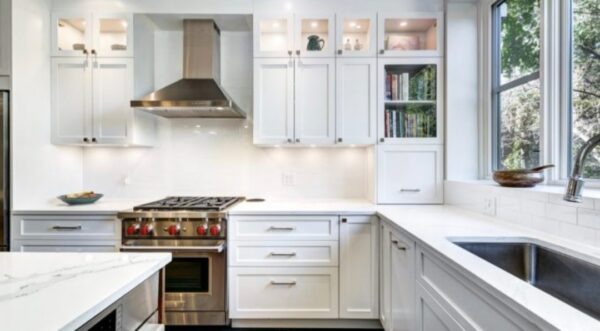
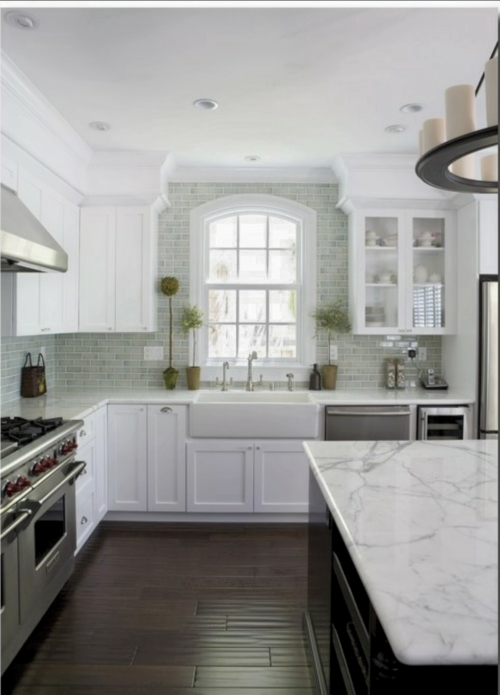
The expected outcome is a smooth, uniform, spray-applied finish with no brush marks, roller texture, or visible lap lines. Factory-smooth means the surface feels comparable to what a high-end cabinet manufacturer would ship from the factory floor.
Curing takes time. Light use is fine after 24 to 48 hours, but the finish reaches full chemical cure after about seven days. During that window, avoid heavy scrubbing and abrasive cleaners. For ongoing maintenance, mild soap and water handle most cleanup. Avoid ammonia-based products, which can dull the finish over time, and address grease buildup promptly before it hardens.
With proper prep and quality enamel, a factory-finish cabinet paint job should last 8 to 12 years before needing a touch-up or refresh. That is a strong return on a project that costs a fraction of replacement.
Cabinet Painting vs. Refacing vs. Replacement: A Comparison
Painting is the lowest-cost option and keeps your existing cabinet boxes intact. The timeline is short, typically three to five days, and the result is a completely new look for structurally sound cabinets with dated finishes.
Refacing replaces doors and drawers and applies new veneer to the boxes. It costs more than painting and takes longer, but it makes sense when you want a different door style while keeping the current layout.
Replacement is the highest-cost path, involving full demolition and new installation over several weeks. It is necessary for layout changes, structural damage, or cabinets that are beyond repair.
The decision framework is simple. If your boxes are solid and you like your kitchen layout, painting delivers the highest value per dollar. Ask your contractor for a candid recommendation. A trustworthy pro will tell you when painting is the wrong investment.
Why Local Experience Matters in Highlands Ranch and South Denver
Highlands Ranch, Castle Rock, Castle Pines, Parker, and the surrounding South Denver communities share similar housing stock. Many homes were built in the 1990s through the 2010s with builder-grade oak cabinets that present specific prep challenges. Local contractors have seen these cabinet lines repeatedly and understand how to achieve adhesion on their factory finishes.
Climate also matters. Dry air at elevation affects paint curing times, and UV intensity impacts color perception and long-term fade resistance. A contractor with South Denver experience will have a portfolio of before and after work in neighborhoods similar to yours. Service scope often extends beyond kitchens to bathroom vanities, islands, built-ins, entertainment centers, wainscoting, crown molding, light rail, toe kicks, shelving, and cabinet interiors. For homeowners considering a broader refresh, painting kitchen cabinets in Denver CO often includes these adjacent surfaces as part of a coordinated project.
Frequently Asked Questions About Factory-Finish Cabinet Painting
Can you paint factory finish cabinets? Yes. With proper sanding, bonding primer, and spray application, factory-finished cabinets take paint successfully. The key is adhesion preparation.
How much do painters charge in Colorado? Pricing varies by scope, cabinet count, and finish choice. Get itemized quotes from multiple local contractors for accurate comparison.
When painting cabinets, what finish is best? Satin is the most requested for its balance of durability and soft appearance. Semi-gloss is ideal for maximum wipeability.
How to price out kitchen cabinet painting? Count doors and drawers, note whether you want interiors painted, and decide on sheen and color. Then request quotes with these details specified.
Will I be able to use my kitchen during the project? No. Expect limited kitchen access during the active painting phase, typically three to five days.
Get Started: Your Next Steps for Cabinet Painting in Highlands Ranch
Start by inventorying your kitchen. Count doors, drawers, and note any trim or specialty pieces. Then gather three or more quotes from local contractors, asking each to name their exact paint products and describe their prep process in detail. Request references or before and after photos from projects in Highlands Ranch or nearby communities. Confirm the timeline in writing, including the labeling system and reassembly process. Finally, clear your cabinets and prepare for about one week of limited kitchen access. Homeowners who want a deeper look at the refinishing process can review cabinet refinishing in Denver for additional context on what a professional workflow includes.
For homeowners searching for cabinet painting in Highlands Ranch CO with a factory finish, the right contractor makes all the difference between a kitchen you love and one you tolerate. Schedule a consultation, ask the questions outlined in this guide, and expect clear answers. The result should be a smooth, durable, factory-grade finish that transforms your kitchen without the cost and disruption of replacement.