
Most Denver-area kitchen cabinet painting projects in 2026 land in the $3,500 to $7,500 range for an average 20- to 30-door kitchen. Small galley kitchens start near $2,500, while large open-concept kitchens exceed $9,000. The price is driven less by square footage than by door count, layout, finish system, and whether doors are sprayed off-site in a shop versus on-site in the home.
Table of Contents
- What does painting kitchen cabinets cost in Denver in 2026?
- What actually affects the price of a Denver cabinet painting quote?
- What is the full professional process for painting kitchen cabinets?
- How do Denver's dry climate and altitude affect cabinet paint dry times?
- Which kitchen cabinet colors and sheens are Denver homeowners choosing in 2026?
- How does Cabinet, painting, and refinishing Denver CO. deliver a factory finish on kitchen cabinets?
- How long does a Denver cabinet painting project take, and can you live in the home during it?
- Is painting kitchen cabinets worth it compared with replacing them?
- Key Takeaways
- References
What does painting kitchen cabinets cost in Denver in 2026?
The 2026 Denver cost for painting kitchen cabinets ranges from about $2,500 for a small galley kitchen to more than $12,000 for a large open-concept kitchen with an island. Most full kitchens fall between $3,500 and $7,500. The table below shows typical ranges by kitchen size and layout.
| Kitchen layout | 2026 Denver price range |
|---|---|
| Galley kitchen | $2,500–$4,000 |
| Standard L-shape | $3,500–$6,000 |
| U-shape | $5,000–$8,000 |
| Large open-concept with island | $7,500–$12,000+ |

CertaPro's West Denver estimates start above $1,500, which reflects a small or partial job rather than a full kitchen, according to CertaPro. Most Denver pros quote per door and drawer front plus a flat rate for the boxes, not per square foot. This pricing method makes door count the dominant cost variable.
Painting is the lower-cost refresh path compared with refacing. Denver Cabinet Painters states that painting kitchen cabinets is generally less expensive than refacing them. Denver Cabinets Refacing advertises saving 50 percent versus a full remodel, which positions painting as the most affordable professional cabinet update.
What actually affects the price of a Denver cabinet painting quote?
Door and drawer count is the single biggest variable in a Denver cabinet painting quote. A 40-door kitchen costs far more than a 20-door kitchen at the same per-door rate. Every additional door adds prep, sanding, priming, and spraying time, so the total rises quickly.
Layout and access also affect labor. Two-story homes, tight galley kitchens, and islands with panels add handling and setup time. A kitchen with difficult access to the boxes or limited workspace for on-site finishing will typically carry a higher quote.
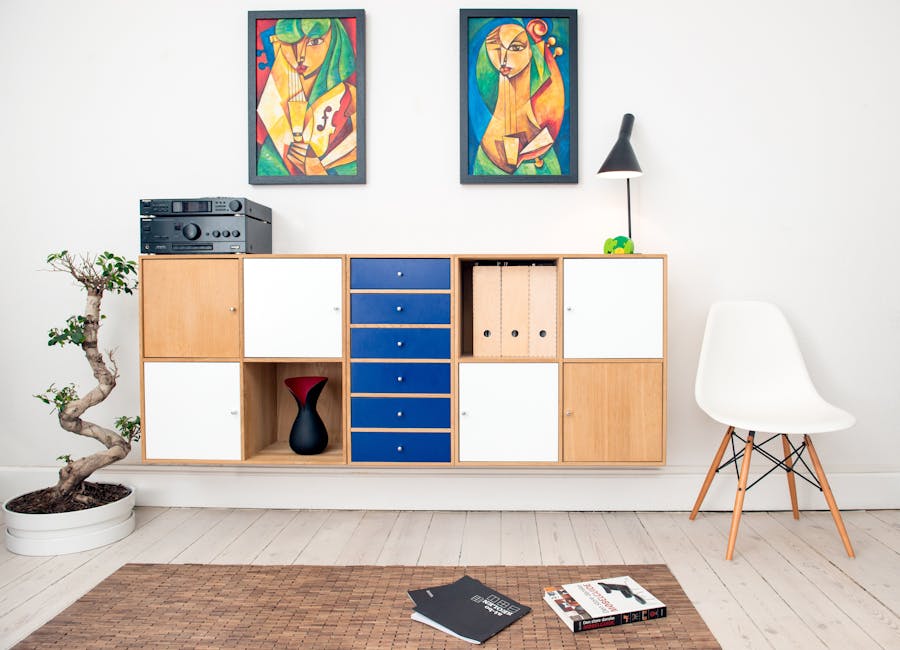
The finish system is a major price driver. A sprayed 2K polyurethane factory-style finish costs more than a brush-and-roll latex job but lasts longer and resists chipping better. Colorado Cabinet Painting applies one coat of primer and two coats of paint front and back to cabinet doors, with sanding between each coat.
The condition of existing cabinets changes prep time. Heavy grease, oak grain, thermofoil peeling, or prior dark stain requires extra cleaning, grain filling, and bonding work. Denver metro homes built in the 1980s commonly have oak cabinets, according to Denver Cabinet Painters, and oak grain demands more sanding and filling than smooth maple or painted surfaces.
Add-ons increase the final price. New soft-close hinges, hardware drilling, interior cabinet painting, and crown or trim refinishing all add labor and materials. Colorado Cabinet Painting recommends soft-close hinges for cabinet longevity, which is an optional upgrade many Denver homeowners choose during a repaint.
What is the full professional process for painting kitchen cabinets?
The full professional process for painting kitchen cabinets in Denver starts with cleaning and degreasing every door, drawer, and box. Kitchen grease and cooking residue prevent primer and paint from bonding, so this step is non-negotiable. Pros use degreasers designed to cut through the film that builds up on cabinets near the stove and sink.
Removal and labeling of all doors, drawers, and hardware comes next. Every piece is labeled so it returns to the correct location after spraying. This step prevents misaligned doors and mismatched hardware during reassembly.
Sanding and grain filling follow removal. This step is especially important on the oak cabinets common in Denver metro homes built in the 1980s, according to Denver Cabinet Painters. Oak grain shows through paint unless it is filled and sanded smooth. 5280 Cabinet Coatings sprays doors and drawers at its shop rather than in the customer's garage or house, which allows controlled sanding and coating.
Priming with a bonding primer prepares the surface for the topcoat. Colorado Cabinet Painting applies one coat of primer and two coats of paint front and back to cabinet doors, with sanding between each coat. The topcoat is a sprayed 2K polyurethane, which creates a factory finish that resists moisture, grease, and daily wear.
Reassembly with new bumpers and optional soft-close hinges completes the installation. A full cure period follows before heavy use. N-Hance of Denver refinishes cabinet frames on-site and transports doors and drawer fronts to its facility for spraying, using spray booths equipped with negative air scrubbers.
How do Denver’s dry climate and altitude affect cabinet paint dry times?
Denver's dry climate and altitude above 5,000 feet change how cabinet coatings dry and cure. Low humidity speeds surface drying, which sounds helpful but can cause topcoats to skin over before they fully cure underneath. This creates a finish that feels dry but remains soft and vulnerable to damage.
Altitude changes solvent and water evaporation rates. At Denver elevations, pros adjust recoat windows because coatings flash off faster than they would at sea level. A recoat window that works in a humid coastal city may be too short or too long in Denver.
Water-based and low-VOC coatings behave more predictably indoors than solvent-based products at altitude. 5280 Cabinet Coatings uses a low-VOC, water-based cabinet paint coating, which reduces the solvent evaporation issues common with oil-based products in dry air.
Doors sprayed in a controlled shop booth cure more consistently than doors sprayed in a garage. N-Hance of Denver uses spray booths equipped with negative air scrubbers, which control dust and airflow during application. A garage spray job in Denver's dry, dusty air risks contamination and uneven curing.
Homeowners should expect longer full-cure times in winter when indoor humidity drops below 30 percent. The surface may feel hard within a day, but the coating needs weeks to reach full hardness. Rushing heavy use before full cure leads to chips, scratches, and premature wear.
Which kitchen cabinet colors and sheens are Denver homeowners choosing in 2026?
Warm whites and soft creams remain the top seller for resale-friendly kitchens in Denver in 2026. These colors brighten the kitchen without feeling stark and pair well with the natural light common in Denver-area homes.
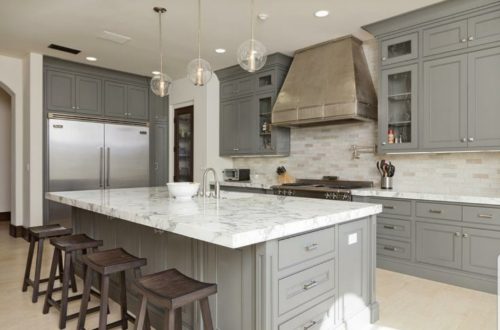
Sage green, mushroom, and warm greige are the fastest-growing 2026 choices in Denver metro homes. These muted, earthy tones add depth without dominating the room. They work especially well with the warm wood floors and stone counters popular in the region.
Two-tone kitchens with a darker island and lighter perimeter cabinets are popular in Castle Rock and Highlands Ranch. This approach adds contrast while keeping the overall kitchen feeling open. N-Hance of Denver offers custom finishes including matte, satin, semi-gloss, and gloss, which supports two-tone designs with different sheens on the island and perimeter.
Satin and matte sheens are replacing high-gloss for a modern, less reflective look. High-gloss shows every fingerprint and imperfection, while satin and matte hide minor wear and feel more contemporary. Denver homeowners choosing sprayed 2K polyurethane finishes often select satin for the best balance of durability and appearance.
Honey oak and orange-toned stains are the colors most likely to read as outdated in 2026. These finishes were common in Denver homes built in the 1980s, according to Denver Cabinet Painters. Painting over honey oak with a warm white, sage, or greige instantly updates the kitchen without replacing the cabinets.
How does Cabinet, painting, and refinishing Denver CO. deliver a factory finish on kitchen cabinets?
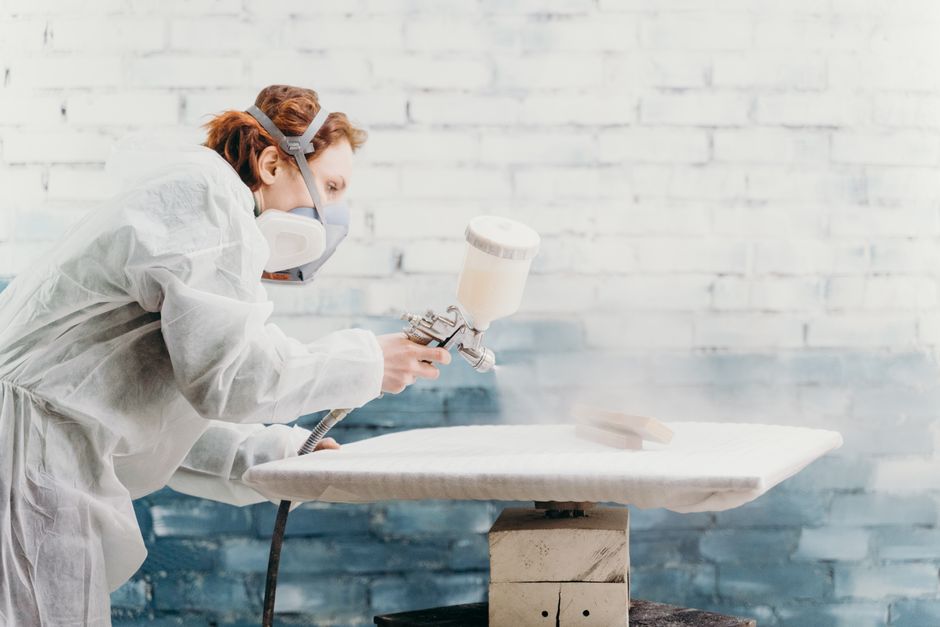
Cabinet, painting, and refinishing Denver CO. delivers a sprayed factory finish on kitchen cabinets for homeowners in Castle Rock, Castle Pines, Highlands Ranch, Parker, and the greater Denver metro. The company uses a sprayed finish rather than a brush-and-roll job, which produces a smoother, more even coating on doors and drawer fronts.
Doors and drawer fronts are sprayed in a shop environment for a smooth, even coating, while boxes are finished on-site. This approach mirrors the method used by Colorado Cabinet Painting, which sprays cabinet doors at its shop while cabinet boxes are brush-and-rolled in the home. Shop spraying controls dust and airflow better than spraying in a garage.
The process follows the full professional sequence: cleaning and degreasing, removal and labeling, sanding, priming, and a sprayed 2K polyurethane topcoat. Each step prepares the surface for the next, and skipping any step compromises the final finish. The 2K polyurethane topcoat creates a hard, factory-style surface that resists grease, moisture, and daily wear.
Cure time is built into the schedule so cabinets are not reinstalled before the finish hardens. Rushing reinstallation risks soft finishes that chip or scratch. The company's approach to painting kitchen cabinets in Denver accounts for Denver's dry climate and altitude, which affect dry and cure times.
Homeowners can request a free quote at paintingkitchencabinet.com. The company serves the full Denver metro corridor from Castle Rock to Parker with a factory finish process designed for durability and a clean, modern look.
How long does a Denver cabinet painting project take, and can you live in the home during it?
Most Denver-area cabinet painting jobs run five days, typically Monday door pickup through Friday reinstallation. Colorado Cabinet Painting states typical jobs finish in 5 days, starting Monday with door pickup and finishing Friday with door installation. 5280 Cabinet Coatings states most jobs take only 1 week to complete, normally 2 to 3 days in the home.
Kitchens are usually usable in the evenings, with boxes and countertops accessible during the day. The work is contained to cabinet surfaces, so homeowners can prepare meals and use the kitchen outside of active working hours. Some disruption is unavoidable, but the kitchen does not become a full construction zone.
Doors and drawers are taken off-site, so the kitchen looks unfinished mid-week but remains functional. The cabinet boxes stay in place and are finished on-site while the doors and drawer fronts are sprayed in a shop. This split process is standard among Denver pros, including N-Hance of Denver, which refinishes cabinet frames on-site and transports doors and drawer fronts to its facility for spraying.
Full cure takes longer than the install day. Homeowners should avoid heavy scrubbing and harsh cleaners for the first two to three weeks after reinstallation. The finish feels dry quickly, but it needs time to reach full hardness.
Winter projects may need extra dry time because indoor humidity is low. Denver's dry winter air can slow full cure even when surface dry time is fast. A pro who accounts for altitude and humidity will schedule accordingly.
Is painting kitchen cabinets worth it compared with replacing them?
Yes, painting kitchen cabinets is worth it compared with replacing them for most Denver homeowners. Painting costs a fraction of full replacement and avoids the demolition, plumbing, and countertop disruption of a remodel. A full replacement often requires new boxes, doors, hardware, and sometimes countertop work, which multiplies the cost and timeline.
Denver's oak cabinets from the 1980s are strong candidates for painting because the boxes are usually solid. Denver Cabinet Painters states oak cabinets are the most common type of kitchen cabinets in the Denver metro area and were popular in the 1980s. These older boxes are often better built than budget modern replacements, so painting preserves quality while updating the look.
A professional sprayed finish with a warranty holds up far better than a DIY brush-and-roll job. 5280 Cabinet Coatings offers a 5-year warranty against paint peeling or cracking. A sprayed 2K polyurethane finish resists grease, moisture, and daily wear far better than latex applied with a brush.
Painting is also cheaper than refacing. Denver Cabinet Painters states painting kitchen cabinets is generally less expensive than refacing them. Denver Cabinets Refacing advertises saving 50 percent versus remodeling, but refacing still costs more than painting because it involves new veneers and door fronts.
Painted cabinets need only a damp cloth and diluted dish soap for grease, not abrasive cleaners. 5280 Cabinet Coatings states maintenance on its painted cabinets involves wiping with a damp cloth and diluted Dawn for grease buildup. This simple care routine keeps the finish looking clean without damaging the coating.
Key Takeaways
- Most 2026 Denver kitchen cabinet painting projects cost between $3,500 and $7,500, with small galley kitchens starting near $2,500.
- Door and drawer count, layout, prep condition, and finish system drive price more than square footage.
- The professional process runs cleaning and degreasing, removal and labeling, sanding, priming, sprayed 2K polyurethane, and a full cure.
- Denver's dry climate and altitude above 5,000 feet change recoat and cure times, so shop-sprayed doors cure more consistently.
- Warm whites, sage green, mushroom, and greige lead 2026 Denver color choices, with satin and matte sheens replacing high gloss.
- A typical Denver project takes about five days, with doors sprayed off-site and boxes finished in the home.
- Painting is cheaper than refacing and far cheaper than replacement, and painted cabinets clean with just a damp cloth and diluted dish soap.
References
- Colorado Cabinet Painting | Denver, CO — date unknown
- Kitchen Cabinet Painter: Cabinet Painting Contractor Denver — date unknown
- 5280 Cabinet Coatings | Cabinet Painting | Refacing — date unknown
- Cabinet Refinishing in Denver CO — date unknown
- Cost to Paint Kitchen Cabinets in West Denver — date unknown
- Cabinet Refacing Denver CO | Save 50% on Kitchen — date unknown