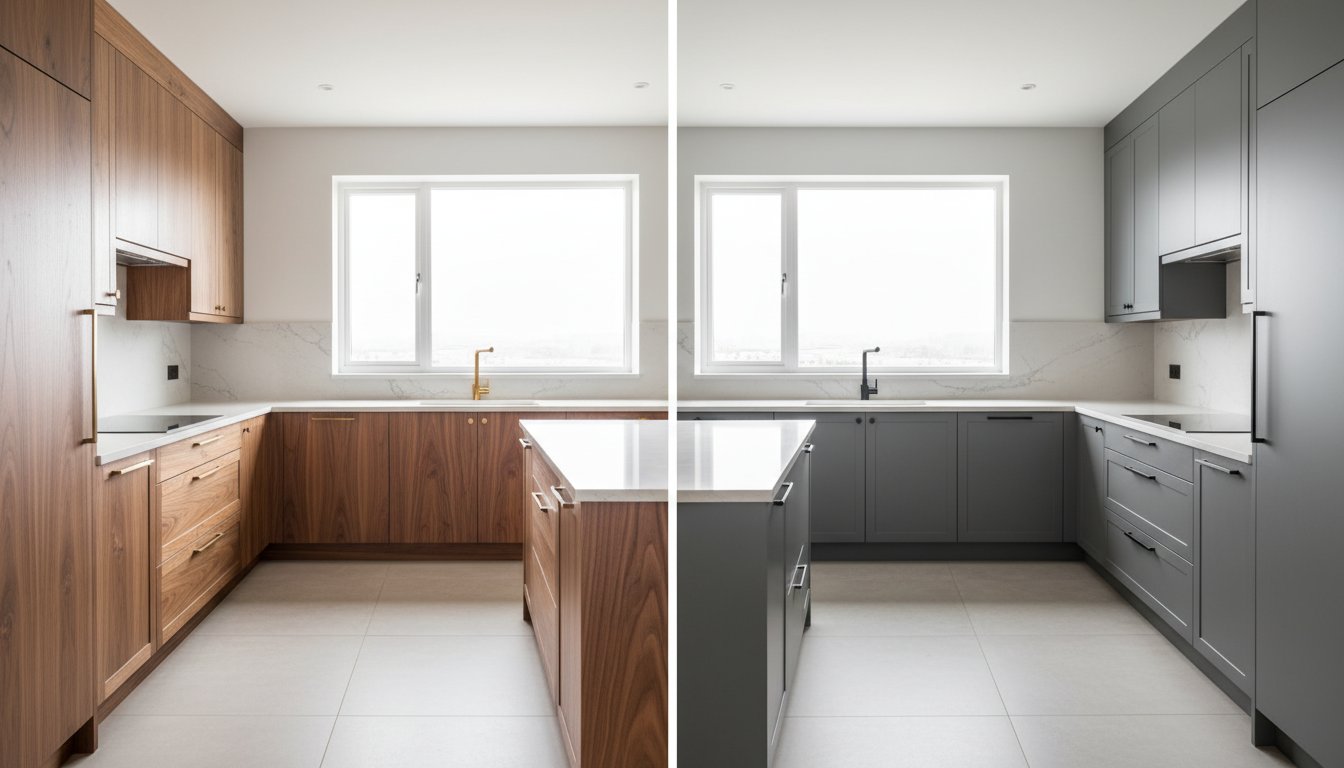
Your kitchen cabinets are structurally sound, but the finish is worn, dated, or simply not your style. You know a professional cabinet renewal can dramatically increase your home’s value, but the options are confusing. Restoration, refinishing, refacing-it’s easy to get lost in the terminology and worry about making a costly mistake. Choosing the wrong method, or the wrong professional, often leads to a peeling, amateur finish that fails in a matter of months, wasting your time and money.
In this guide, we cut through the noise. We provide a direct, no-nonsense breakdown of cabinet restoration versus cabinet refinishing, two very different processes for achieving a like-new look. We will explain the labor-intensive preparation required for a durable outcome and show you what it takes to achieve a true, industrial-strength factory finish. You will gain the confidence to select the right method for your kitchen, ensuring a beautiful result that stands the test of time.
Key Takeaways
- Understand that cabinet restoration enhances the original wood grain, while refinishing creates a brand-new, solid-color surface.
- Learn how the current condition of your cabinets is a critical factor in determining which method is the right choice for your kitchen.
- Your final decision between a natural wood look and a modern color change is the most important step in your cabinet renewal project.
- Discover why the quality of the preparation work, not just the final topcoat, determines the long-term durability of your cabinets.
What is Cabinet Restoration? The Art of Reviving Natural Wood
Cabinet restoration is a detailed, labor-intensive process focused on one primary goal: preserving and enhancing the original wood of your cabinetry. Unlike painting or refacing, which covers the wood, restoration is a true cabinet renewal process that brings the natural grain, color, and character back to life. This method is not for every kitchen. It is specifically designed for high-quality, solid wood cabinets that have seen better days but are still structurally sound.
If you appreciate the inherent beauty of your oak, cherry, or maple cabinets but are tired of the worn, yellowed, or damaged finish, restoration is the superior choice. It honors the original craftsmanship of your kitchen while giving it a fresh, durable, and clean appearance.
The Restoration Process Explained
Achieving a flawless, factory-like wood finish requires meticulous preparation and professional execution. There are no shortcuts to quality work. Our process is transparent and proven:
- Careful Stripping: We begin by safely and completely removing the old, failing finish. All traces of the original varnish, lacquer, or polyurethane are stripped away to reveal the raw wood underneath.
- Detailed Wood Repairs: This is where true craftsmanship shows. We meticulously repair scratches, dents, water marks, and other minor imperfections in the wood surface, ensuring the final result is seamless.
- Professional Sanding: The wood is sanded through multiple grits to create an ultra-smooth, perfect surface. This critical step guarantees the new stain absorbs evenly and the topcoat adheres properly for long-term durability.
- Finishing Application: We apply a high-quality stain to achieve your desired color, followed by an industrial-strength, durable clear topcoat. This final stage is where professional expertise in the fundamentals of wood finishing ensures a beautiful, resilient result that protects the wood for years to come.
When is Restoration the Best Choice?
This comprehensive cabinet renewal method is the ideal solution under specific conditions. Consider restoration if your kitchen meets these criteria:
- You have solid wood cabinets (such as oak, cherry, maple, or walnut) that are in good structural condition.
- You love the natural wood look and want to keep it, even if you decide to change the stain to a richer, darker, or lighter tone.
- The current finish is peeling, yellowed, sticky, or worn out, but the wood itself is not severely damaged.
- Your cabinets are antique, custom-built, or possess a unique character that is worth preserving rather than covering with paint.
What is Cabinet Refinishing? A Flawless, Modern Transformation
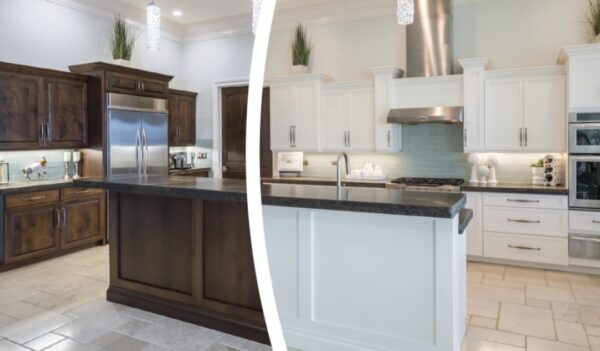
Cabinet refinishing is a comprehensive process that completely transforms your kitchen by creating a brand new, opaque, and highly durable colored surface on your existing cabinet boxes and doors. This is what industry professionals refer to as professional cabinet painting. The primary objective is a complete style and color overhaul, resulting in a flawless, factory-like finish that looks and feels brand new. Unlike restoration, which is limited to wood, refinishing is an excellent solution for various materials, including MDF, thermofoil, and previously painted cabinets. This method is the ultimate form of cabinet renewal when a dramatic change is desired.
The Professional Refinishing Process
Achieving a true factory finish is a labor-intensive process that hinges on meticulous preparation-the most vital factor in a lasting job. Amateur shortcuts lead to peeling and chipping. Our proven method involves:
- Intensive Cleaning & Degreasing: We meticulously remove all grease, grime, and surface contaminants to ensure the surface is sterile and ready for coating.
- Sanding & Surface Prep: The existing finish is professionally scuffed and sanded to create the perfect profile for maximum primer adhesion.
- Bonding with Pre-Catalyzed Primer: We apply a high-adhesion, stain-blocking primer that creates an unbreakable bond between the cabinet and the new finish.
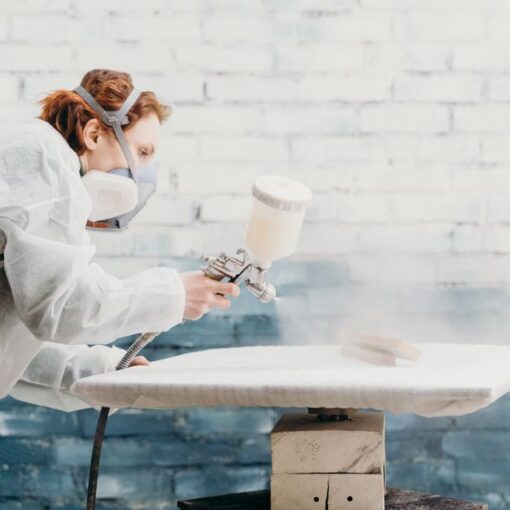
- Spraying Industrial-Strength Coatings: Multiple coats of premium, industrial-strength acrylic urethane are sprayed for a perfectly smooth, seamless, and incredibly durable result.
When is Refinishing the Best Choice?
Cabinet refinishing is the superior choice when your goals are focused on a modern aesthetic and complete transformation. This path to cabinet renewal is ideal if:
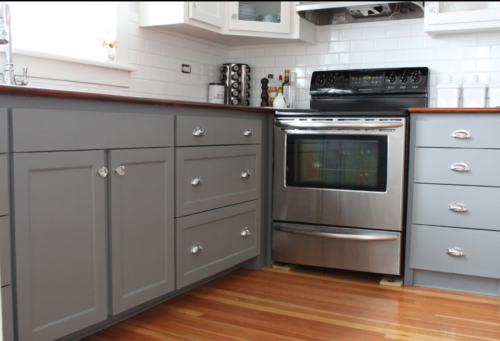
- You want to change the color of your cabinets completely, such as going from a dated oak finish to a modern, crisp white or a bold gray.
- Your cabinets are structurally sound but are made of materials like MDF or thermofoil, or are already painted.
- You desire a seamless, smooth, and highly durable “factory finish” that is easy to clean and withstands the rigors of a busy kitchen.
- The existing wood grain is not a feature you wish to preserve; you prefer a solid, uniform color.

Head-to-Head Comparison: Key Differences Between Restoration and Refinishing
Making the right choice for your kitchen cabinets comes down to a direct comparison of the process, final look, and long-term performance. While both methods improve your kitchen, they are fundamentally different services designed for different goals. The “best” choice depends entirely on the current condition of your cabinets and the outcome you want to achieve.
| Feature | Cabinet Restoration | Cabinet Refinishing (Painting) |
|---|---|---|
| Final Look | Enhances natural wood grain with a semi-transparent stain. | Solid, opaque color with a smooth, modern “factory finish.” |
| Durability | Good; depends heavily on the quality of the final topcoat. | Excellent; industrial-strength acrylics create a hard, washable surface. |
| Best For | High-quality wood you want to preserve; achieving a classic look. | Outdated cabinets, major color changes, and modernizing the kitchen. |
Final Appearance and Aesthetics
Restoration is about enhancing what’s already there. The process uses stains to bring out the natural beauty and grain of the wood, resulting in a classic, warm feel. It’s ideal for high-quality oak, cherry, or maple cabinets where the wood itself is the centerpiece. Refinishing, or professional cabinet painting, is about transformation. It covers the old surface with a durable, opaque color for a clean, modern look. With limitless color options, this is a true cabinet renewal process that can completely redefine your kitchen’s style, making it feel brighter and larger.
Durability and Longevity in a Busy Kitchen
Durability is non-negotiable. While a restored cabinet’s longevity depends on the quality of the clear topcoat applied, professional refinishing offers a more predictable and robust result. At Painting Kitchen Cabinets Denver, we use industrial-strength, precatalyzed primers and acrylic urethane coatings. These materials are spray-applied to create a seamless, non-porous surface with no brush marks. This “factory finish” is extremely hard, washable, and resists chipping and wear far better than a job done by an amateur house painter.
Cost and Project Timeline
Both options are significantly more cost-effective than a full cabinet replacement, which can cost tens of thousands of dollars. Restoration can be labor-intensive, and the cost can fluctuate if extensive stripping or repairs are needed. The cost of refinishing is more straightforward, typically based on the number of doors and drawers. This makes it easier to provide an accurate and immediate price. For any cabinet renewal project, the investment delivers a massive visual and functional upgrade for a fraction of the cost of a full remodel. To understand the cost for your specific kitchen, contact us for a direct quote.
How to Choose Your Cabinet Renewal Path: A 4-Step Checklist
Deciding between cabinet restoration, refinishing, or painting can feel overwhelming. The right choice depends entirely on your starting point and your final goal. This straightforward checklist will help you evaluate your kitchen honestly, ensuring your investment in a professional cabinet renewal project delivers the exact results you want. An honest assessment is the most vital factor in a successful outcome.
Step 1: Assess Your Existing Cabinets
Before you can decide where you’re going, you need to know what you have. Take a hard look at your current cabinets and determine their core characteristics:
- Material: Are your cabinets solid wood, wood veneer, MDF, or thermofoil (a vinyl laminate)? Solid wood and veneer are prime candidates for refinishing, while MDF and thermofoil almost always require painting after proper preparation.
- Condition: Are the cabinet boxes and doors structurally sound? Minor dings can be fixed, but widespread water damage, warping, or broken frames mean they are not suitable for refinishing or painting.
- Current Finish: Note if the surface is a wood stain, a layer of old paint, or a plastic-like thermofoil wrap. Each surface requires a different, labor-intensive preparation process to ensure the new finish will adhere permanently.
Step 2: Define Your Design Vision
What is the end goal for your kitchen? If you love the natural beauty and grain of your wood cabinets but want a new color, staining and refinishing is the path. If you are tired of the wood look entirely and envision a clean, modern white, classic gray, or bold color, then professional painting is your answer. Gather inspiration photos to clarify your desired outcome; this helps you and your contractor get on the same page immediately.
Step 3: Get a Professional Consultation
The final and most important step is to bring in an expert. A seasoned professional can assess your cabinets and immediately tell you what is possible. They see things homeowners often miss-failing thermofoil seams, hidden damage, or material types that limit your options. This consultation removes all guesswork and provides a clear path forward for your specific cabinet renewal, ensuring you choose the service that provides the most value and durability for your home.
At Painting Kitchen Cabinets Denver, we believe preparation is 90% of the job. We use industrial-strength, precatalyzed primers and lacquers that aren’t available to DIYers, and our factory spray finish is impossible to replicate with a brush. The result is a smooth, rock-hard finish that lasts. Get a fast, accurate quote from our 45-year experts.
Your Path to a Perfect Kitchen: Making the Final Decision
Choosing between cabinet restoration and refinishing ultimately comes down to your goals. Restoration is the ideal path if you love your cabinet’s natural wood grain and want to bring it back to its original glory. In contrast, refinishing offers a complete, modern transformation with a durable, flawless color that can redefine your entire kitchen. The right decision depends on whether you want to enhance what you have or create something entirely new.
Whichever path you choose, the quality of the work is what matters most. With over 45 years of specialized experience, we know that meticulous preparation is the key to a professional outcome. We don’t take shortcuts. Our exclusive use of industrial-strength spray acrylics is the only way to achieve the true, guaranteed flawless, factory-like finish that completes your cabinet renewal project correctly.
Ready to see what’s possible for your home? Getting an expert opinion and a clear price is simple. Text us pictures for a fast, accurate quote on your cabinet renewal! We look forward to helping you achieve the beautiful, durable kitchen you deserve.
Frequently Asked Questions About Cabinet Renewal
What is the difference between cabinet refinishing and refacing?
Cabinet refinishing is a labor-intensive process where we keep your existing cabinet doors and drawers. We chemically strip, sand, and prep the original surfaces before applying a new, durable, factory-quality finish. Cabinet refacing, on the other hand, involves completely replacing your old cabinet doors and drawer fronts with brand new ones. The cabinet boxes are then covered with a matching veneer. Refinishing restores what you have; refacing gives you a new style.
Can you restore or refinish cabinets that have been previously painted?
Yes, but the preparation is the most vital factor for a lasting finish. Cabinets painted by amateurs often have layers of cheap latex paint that must be completely removed. Our process involves professionally stripping the old paint down to the bare wood, sanding the surface smooth, and then applying our industrial-strength, precatalyzed primers. This ensures the new finish bonds correctly and won’t chip or peel, which is a common failure point for improperly prepared jobs.
How long does a professional cabinet renewal project typically take?
A standard professional cabinet renewal project takes approximately 5 to 7 business days from start to finish. The on-site work in your home-which includes masking the kitchen and spraying the cabinet boxes-is usually completed in just 1 to 2 days. The majority of the time is spent at our shop, where we perform the labor-intensive prep and finishing of your doors and drawers in a controlled environment to achieve a flawless factory finish.
Is the cabinet renewal process messy inside my home?
No. We take extensive measures to protect your home and contain our work area. Your kitchen will be completely sealed off with plastic sheeting from floor to ceiling, and all countertops, floors, and appliances are thoroughly covered and masked. We use professional ventilation and dust extraction systems to manage all overspray and particles. Our goal is to leave your home exactly as we found it, with the only evidence of our work being your beautifully refinished cabinets.
How should I clean and maintain my newly restored or refinished cabinets?
Maintaining your new finish is simple. Clean the cabinets using a soft, lint-free cloth dampened with a mild solution of soap and water. Never use abrasive cleaners, scouring pads, ammonia, bleach, or wax-based polishes, as these can damage the durable topcoat. For tougher spots like grease, a gentle degreaser can be used sparingly. Proper, gentle cleaning is the key to preserving the beauty and durability of your new cabinet finish for many years.
Can you change oak cabinets to a smooth, white finish?
Absolutely. Transforming heavy-grained oak into a smooth, modern finish is a process we have perfected, but it requires meticulous prep work. To hide the deep grain, we apply multiple coats of a high-build, specialized grain filler and sand between each application until the surface is perfectly flat. This is followed by our precatalyzed primers and topcoats. This labor-intensive process is the only correct way to achieve a durable, glass-smooth finish that completely conceals the original wood texture.