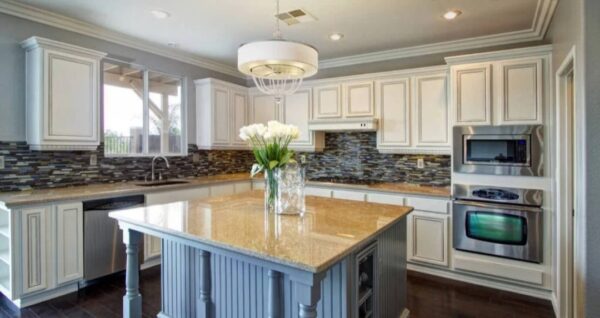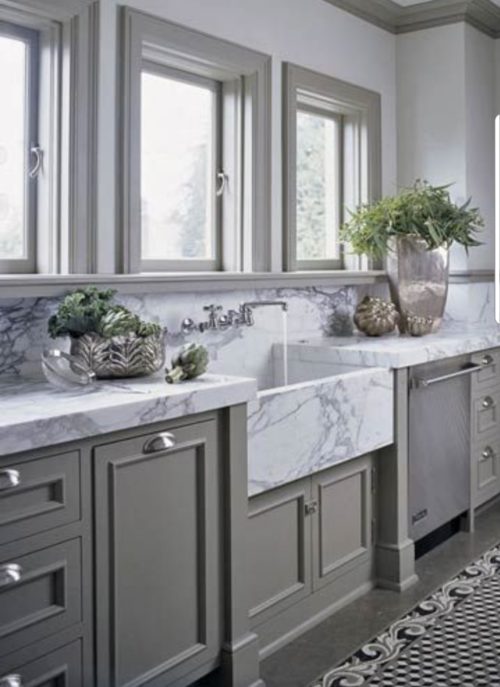
If your kitchen is anchored by solid oak cabinets that have stood the test of time structurally but feel visually stuck in another decade, you are not alone. Homeowners across Castle Rock, Castle Pines, Highlands Ranch, and Parker face the same dilemma: the cabinets are too well-built to rip out, yet the golden-orange finish no longer fits the home. The solution is not a full replacement. It is hiring cabinet refinishing experts for oak kitchen cabinets, professionals who specialize in transforming dated oak into a modern, smooth, factory-grade finish without the demolition dust or the five-figure price tag. This guide walks through why oak demands a specialist, what the 2026 refinishing process actually involves, and how to identify the right expert for your project.
Table of Contents
- Why Oak Kitchen Cabinets Need a Specialized Refinishing Expert
- How to Identify True Cabinet Refinishing Experts for Oak Kitchen Cabinets
- The Complete Refinishing Process for Oak Cabinets (What Experts Do)
- Cost vs. Value: Is Refinishing Oak Cabinets Worth It in 2026?
- 2026 Color Trends for Oak Kitchen Cabinets (What Experts Recommend)
- DIY vs. Hiring Cabinet Refinishing Experts for Oak Kitchen Cabinets
- Frequently Asked Questions About Oak Cabinet Refinishing
- Why Castle Rock and Highlands Ranch Homeowners Choose Our Experts
Why Oak Kitchen Cabinets Need a Specialized Refinishing Expert
Oak is not like maple, cherry, or MDF. It is a ring-porous hardwood with a pronounced open grain that creates deep valleys and ridges across the surface. That texture is part of oak’s character when stained, but it becomes a liability when a homeowner wants a smooth painted finish. Without proper preparation, paint settles into the pores unevenly, leaving behind a pebbled, grainy surface that looks nothing like the sleek factory finish seen in showrooms.
The biggest mistake homeowners make when attempting to paint oak cabinets is skipping the grain filler. A standard primer and paint routine simply cannot bridge those open pores. The result is an orange-peel texture that catches light in all the wrong ways. A second common failure point is tannin bleed. Oak contains natural tannins that are reddish-brown and water-soluble. When latex paint or a weak primer is applied, those tannins migrate through the finish over time, creating yellow or pinkish stains that ruin the new color. A specialized refinishing expert in Castle Rock or Highlands Ranch uses industrial-grade, shellac-based primers specifically formulated to lock tannins in place and prevent bleed-through permanently.
Generalist house painters often treat oak cabinets the same way they treat drywall or trim. A dedicated cabinet refinisher understands the difference. They know that achieving a closed-grain look on oak requires filling, sanding, priming, and spraying in a sequence that accounts for the wood’s unique density and porosity. This is not a skill learned on a single job. It comes from years of working almost exclusively with cabinetry and understanding how finishes interact with different wood species. When you hire a refinisher who specializes in oak, you are paying for the knowledge that your cabinets will look factory-sprayed, not hand-painted.
How to Identify True Cabinet Refinishing Experts for Oak Kitchen Cabinets
Not every company that advertises cabinet painting is qualified to handle oak. Separating true experts from general contractors requires asking the right questions and knowing what to look for before you sign a contract.
Look for Oak-Specific Experience
Start by requesting a portfolio that isolates oak-to-painted transformations. A credible refinisher will have multiple before-and-after examples showing honey oak or golden oak cabinets converted to smooth, modern finishes. Pay attention to the close-up shots. If the after photos reveal visible grain texture beneath the paint, the refinisher likely skipped the grain-filling step. A true expert’s work will show a surface that looks like it came from a factory milling line, not a brush.
During the initial conversation, listen for whether the contractor brings up grain filling and tannin blocking without you having to prompt them. An oak specialist will ask about the current condition of your cabinets, the species of oak, and whether you want the grain texture preserved or completely smoothed over. They should also be able to explain the difference between a water-based grain filler and a solvent-based one, and why they choose one over the other for your specific project. Review platforms tell part of the story. Top-tier providers in this space consistently earn 5.0-star ratings across 80 or more verified reviews. Look for reviews that specifically mention oak cabinets and the quality of the painted finish. Generic praise about timeliness or courtesy is nice, but oak-specific feedback signals genuine expertise.
Verify the Process, Not Just the Painting
A legitimate refinisher follows a documented multi-step process and can walk you through it in detail. The sequence should include cleaning and deglossing, sanding or stripping, grain filling, priming with a stain-blocking product, sanding between coats, and applying a catalyzed or conversion-varnish topcoat. If the provider describes their process as “we sand, prime, and paint,” that is a red flag. The grain-fill step is non-negotiable for oak, and any contractor who omits it is delivering a substandard product.
Ask about curing technology. Some of the best refinishers in the country now use accelerated curing systems, such as UV or nano-curing technology, that harden the finish instantly under controlled light. This approach reduces dust contamination, eliminates lingering odors, and produces a finish that is fully cured and scratch-resistant within hours rather than days. If a provider in the Castle Rock or Parker area offers this type of curing, it signals an investment in equipment and training that goes well beyond what a standard painting crew provides.
The Complete Refinishing Process for Oak Cabinets (What Experts Do)
Understanding the full refinishing sequence helps you evaluate proposals and recognize quality workmanship. Here is the step-by-step process that cabinet refinishing experts for oak kitchen cabinets follow to deliver a durable, factory-grade finish.
Step one is deglossing and deep cleaning. Kitchen cabinets accumulate years of cooking grease, hand oils, and wax-based cleaners that create a barrier between the old finish and any new coating. A professional crew uses heavy-duty degreasers and liquid sanding agents to strip away every trace of contamination. This step alone can take a full day for a large kitchen, but skipping it guarantees adhesion failure down the road.
Step two is grain filling. This is the defining moment for oak. The refinisher applies a paste or liquid wood grain filler across every door, drawer face, and cabinet box surface. The filler is worked into the open pores with a spreader or putty knife, then allowed to dry. Once cured, the surface is sanded smooth to create a uniform, glass-like substrate. This step is labor-intensive and messy, which is why amateurs avoid it. Without it, the final paint job will always show the oak’s natural texture.
Step three is priming with a tannin-blocking product. For oak, a shellac-based primer is the gold standard. It seals the wood completely, preventing the reddish tannins from migrating into the paint layers. The primer is sprayed on in thin, even coats and then sanded lightly to remove any raised grain or imperfections. This sanding also creates a mechanical bond for the topcoat.
Step four is the application of multiple sprayed finish coats. Professionals use HVLP or airless spray equipment in a controlled environment, not rollers or brushes on-site. Each coat is applied in a dust-minimized space, allowed to flash, and then sanded before the next coat. The result is a finish free of brush marks, roller stipple, or uneven sheen. A typical project involves two to three coats of a catalyzed lacquer or conversion varnish that cures to a hard, furniture-grade surface.
Step five is curing and reassembly. High-end providers use accelerated curing technology to harden the finish immediately. Doors and drawers are reinstalled with care, and hardware is mounted using jigs to ensure perfect alignment. The kitchen is left clean, functional, and transformed.
Cost vs. Value: Is Refinishing Oak Cabinets Worth It in 2026?
The financial case for refinishing oak cabinets is compelling. A full kitchen cabinet replacement in the Castle Rock and Highlands Ranch area typically runs between $8,000 and $15,000 for mid-grade stock cabinets, with custom or semi-custom options pushing well beyond $20,000. Professional refinishing, by contrast, ranges from $2,000 to $4,500 for a complete kitchen, depending on cabinet count, finish complexity, and whether specialty glazes are involved. That represents a savings of 50 to 70 percent compared to replacement.
Oak itself adds value to the equation. It is one of the hardest domestic hardwoods used in cabinetry, far more durable than the particleboard or MDF found in many new cabinet lines. When you refinish oak cabinets, you preserve that structural integrity while updating the aesthetic. You get the longevity of solid wood with the look of a modern kitchen. For homes in Douglas County built in the 1990s and early 2000s, where oak cabinets were standard, refinishing is often the single highest-ROI kitchen upgrade available.
Labor rates in the south Denver metro area align closely with national averages, but local independent refinishers frequently offer better value than large franchise operations. Lower overhead and specialized expertise mean more of your budget goes toward materials and craftsmanship rather than franchise fees. A professionally refinished oak cabinet kitchen should deliver 10 to 15 years of service with normal care. When you compare that lifespan to the cost, the annualized investment is modest, especially relative to the daily impact a refreshed kitchen has on your enjoyment of the home.
2026 Color Trends for Oak Kitchen Cabinets (What Experts Recommend)
Color selection can make or break an oak cabinet refinishing project. The wrong shade can date the kitchen just as quickly as the original golden oak stain, while the right choice creates a timeless backdrop that works with evolving decor.
The colors that have fallen firmly out of favor are the heavy amber and orange-toned stains that dominated the 1990s. Honey oak, golden oak, and thick caramel glazes read as dated in 2026. Homeowners searching online are actively asking what cabinet colors are outdated, and the consensus among designers and refinishers points away from anything that amplifies the yellow-orange spectrum.
The current trend for oak cabinets leans into warm, grounded neutrals. Benjamin Moore’s White Dove and Sherwin-Williams’ Agreeable Gray are two of the most requested colors in Castle Rock and Parker kitchens this year. These shades have enough warmth to feel inviting against Colorado’s natural light without veering into yellow territory. Sage green and deeper forest tones are also gaining traction, particularly in homes that incorporate natural stone and matte black fixtures. The earthy quality of these greens complements the underlying warmth of oak without fighting it.
Two-tone kitchens remain popular, especially in newer builds throughout Highlands Ranch. A common combination pairs warm white upper cabinets with a charcoal or navy base, creating visual weight at the floor level while keeping the upper sightline open and bright. For homeowners who want to retain some visibility of the oak grain, a wire-brushed or cerused finish offers a compelling middle ground. This technique removes the soft wood between the grain lines and applies a white or gray pigment that settles into the pores, producing a textured, modern look that still reads as wood. It is a sophisticated option that honors the oak’s character while stripping away the dated golden hue.
DIY vs. Hiring Cabinet Refinishing Experts for Oak Kitchen Cabinets
The internet is full of tutorials promising a professional cabinet finish with a few cans of paint and a weekend of effort. For oak cabinets, that promise rarely holds. Oak’s open grain and tannin content make it one of the most unforgiving woods for DIY refinishing. Without commercial spray equipment and proper grain filler, the finished product almost always shows brush marks, uneven sheen, and grain texture bleeding through the paint. Within six to twelve months, peeling and chipping are common, especially around high-use areas like sink bases and pull-out drawers.
Time is another factor that surprises homeowners. A professional crew working with dedicated spray booths and accelerated curing can complete an average kitchen in three to five days. A DIY project, even with diligent effort, typically stretches across two to four weeks. That timeline accounts for cleaning, sanding, filling, priming, painting multiple coats with drying time between each, and curing before the cabinets can handle daily use. During that period, the kitchen is largely out of commission.
The hidden costs add up quickly. Renting an HVLP sprayer, purchasing high-quality primer and paint, buying grain filler, and acquiring sanding supplies often pushes the DIY budget to $800 or $1,200. That investment yields no warranty, no guarantee of adhesion, and no recourse if the finish fails. For oak cabinets specifically, hiring a refinishing expert is not an indulgence. It is the practical path to a finish that lasts.
Frequently Asked Questions About Oak Cabinet Refinishing
Can oak kitchen cabinets be refinished? Yes, and they are among the best candidates for the process. Oak’s density and structural integrity mean it handles sanding, filling, and spraying exceptionally well. The key is using a refinisher who understands grain filling and tannin blocking.
How much does it cost to refinish oak cabinets? In the Castle Rock, Highlands Ranch, Castle Pines, and Parker service area, expect a total project cost between $2,000 and $4,500. The final number depends on kitchen size, door count, and whether you choose a solid color or a specialty finish like glazing or cerusing.
How to make oak kitchen cabinets look modern? The fastest transformation comes from closing the grain with a professional filler and painting the cabinets in a warm neutral such as White Dove or Agreeable Gray. Swapping outdated hardware for matte black or unlacquered brass pulls completes the update and brings the kitchen firmly into 2026.
What cabinet color is outdated? Golden oak stain, honey maple, and heavy cherry tones are widely considered dated. White, soft gray, greige, and muted earth tones remain the safest choices for long-term appeal.
Why Castle Rock and Highlands Ranch Homeowners Choose Our Experts
Colorado’s dry climate and high-altitude sunlight create unique challenges for cabinet finishes. Our team understands how low humidity affects paint flow and curing times, and we adjust our process accordingly. Every project includes full grain filling, tannin-blocking primer, and a catalyzed topcoat that delivers a finish indistinguishable from factory-built cabinets. Our 5.0-star reputation is built on oak transformations across Castle Pines, Parker, Highlands Ranch, and Castle Rock, with verified reviews from homeowners who now love their kitchens. We provide a free on-site estimate that evaluates your specific oak grain pattern and delivers a custom quote with no obligation. For a deeper look at how our process compares to standard painting approaches, see our page on cabinet refinishing in Denver and learn why a factory finish matters.