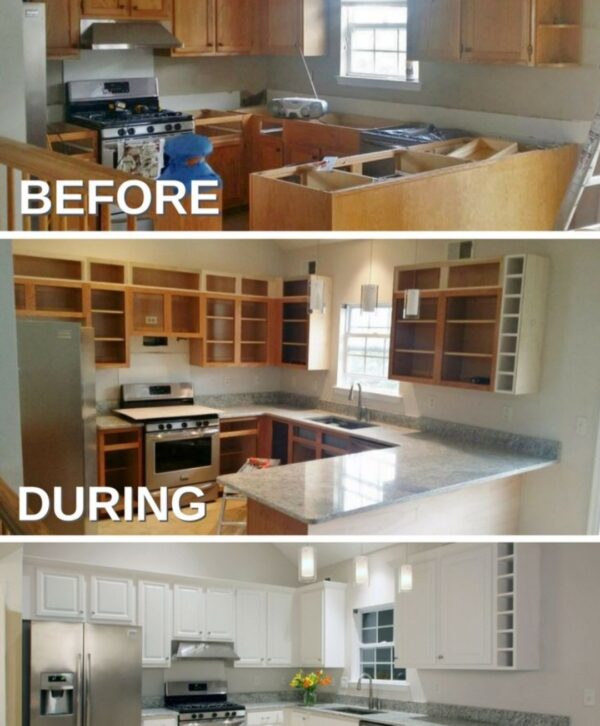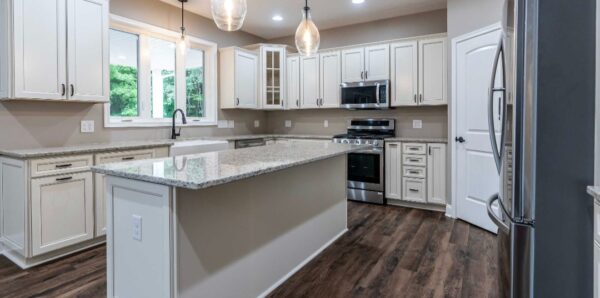
Your kitchen layout works. The cabinet boxes are solid, the footprint makes sense, and the storage configuration still fits how your family cooks and gathers. But the surfaces tell a different story. Faded stain, chipped edges, yellowed thermofoil, or a color that peaked during a previous decade can make the entire room feel tired. Replacing the cabinets would mean weeks of disruption and a five-figure bill. Cabinet refinishing Denver CO offers a different path: a factory-quality finish applied to the cabinets you already have, completed in days rather than weeks, at a fraction of replacement cost. This guide covers what professional refinishing actually involves, how it compares to refacing and repainting, what Denver-area homeowners can expect to pay in 2026, and how to choose a provider across the Front Range, including Castle Rock, Castle Pines, Highlands Ranch, and Parker.
Table of Contents
- Why Denver Homeowners Are Choosing Cabinet Refinishing Over Full Replacement
- Cabinet Refinishing vs. Refacing vs. Repainting: What's the Difference?
- The Professional Cabinet Refinishing Process: Step by Step
- What Does Cabinet Refinishing Cost in Denver? (2026 Pricing Guide)
- How to Choose the Right Cabinet Refinishing Company in the Denver Metro
- Cabinet Materials and Finishes: What Works Best for Refinishing?
- DIY vs. Professional Cabinet Refinishing: The Real Cost of Going It Alone
- Frequently Asked Questions About Cabinet Refinishing in Denver
- Conclusion: Your Next Step Toward a Factory-Finish Kitchen
Why Denver Homeowners Are Choosing Cabinet Refinishing Over Full Replacement
The math behind full kitchen remodels in the Denver metro has become hard to justify for many homeowners. A complete cabinet replacement project routinely lands between $15,000 and $30,000 or more, while professional refinishing typically runs one-third to one-half of that amount. The savings are not the only driver. Refinishing preserves the cabinet boxes, layout, and footprint that already work in your home, which matters especially in older Denver properties where mid-century, craftsman, and modern builds often feature well-constructed cabinetry worth keeping.
Speed is another factor. Most professional refinishing projects in the Denver area finish in five to ten business days. Full replacement can stretch across three to six weeks, leaving the kitchen unusable for much of that time. There is also a sustainability angle. Refinishing keeps wood, MDF, and laminate out of Colorado landfills, a consideration that resonates with eco-conscious Front Range homeowners. And from a resale perspective, a dated kitchen drags down perceived value. Refinishing offers one of the highest return-on-investment improvements available for Denver-area homes without the disruption of a full gut.
Cabinet Refinishing vs. Refacing vs. Repainting: What’s the Difference?
These three terms get used interchangeably, but they describe different scopes of work. Refinishing means stripping, sanding, priming, and applying new color or finish to the existing cabinet surfaces, both the boxes and the doors. The result is a smooth, factory-like surface that can last for a decade or more. Refacing goes further by replacing the visible surfaces entirely: new doors, new drawer fronts, and a veneer applied over the existing boxes. Refacing costs more than refinishing because it involves new materials and more labor, but it can change the door style completely.
Repainting is the lightest touch. It typically involves cleaning, light sanding, and applying paint to the existing surfaces without the deeper preparation or durable topcoats that define refinishing. Repainting can look good initially but tends to show wear faster, especially around high-contact areas. For most Denver homeowners, refinishing occupies the sweet spot: less expensive than refacing, more durable than a simple repaint, and capable of transforming the kitchen's appearance without changing the layout.
The Professional Cabinet Refinishing Process: Step by Step
Phase 1: Assessment and Preparation
The process begins with an on-site evaluation. A technician inspects the cabinet material, whether oak, maple, MDF, thermofoil, or laminate, to confirm refinishing is viable and to recommend the right coating system for that substrate. Not every material responds the same way, and a professional assessment prevents adhesion failures down the road. Once approved, the doors and drawer fronts are removed and transported to a controlled spray facility. The cabinet frames remain in place and are prepped on-site. Every surface gets cleaned and degreased to remove years of kitchen residue that would otherwise prevent the new finish from bonding.
Phase 2: Finishing and Curing
Preparation continues with sanding to create a mechanical bond, followed by priming to seal and smooth the substrate. Then comes the critical step: spray application. Professional spray equipment applies uniform, factory-quality color coats that cannot be replicated with rollers or brushes. Some Denver providers use advanced curing systems, including UV nano-curing technology, that eliminate sanding between coats, reduce VOCs, and allow the cabinets to be used the same day. This means no lingering solvent odors in the house and no waiting period before the kitchen is functional again.
Phase 3: Reinstallation and Final Touches
Once the doors and drawer fronts have cured, the team reinstalls them and completes the hardware. This is the moment to upgrade soft-close hinges, add pull-out trays, or swap dated knobs and pulls for new ones. A final walkthrough checks for coverage consistency, color accuracy, and hardware function. Standard projects run five to seven business days. Complex jobs with custom colors or intricate door profiles may take seven to ten.
What Does Cabinet Refinishing Cost in Denver? (2026 Pricing Guide)
Pricing transparency is rare among Denver refinishing companies, which frustrates homeowners trying to budget. Based on typical project scopes across the metro, professional cabinet refinishing in 2026 generally runs between $3,500 and $8,000. The range depends on cabinet count, linear footage, door style complexity, material type, custom color matching, and hardware upgrades. Full replacement for the same kitchen would typically start around $15,000 and climb from there. Refacing falls between the two, usually 30 to 50 percent more than refinishing.
Several cost drivers deserve attention. The number of upper and lower cabinets matters more than square footage alone. Intricate door profiles require more prep time than flat-panel designs. Custom color matching adds a premium over standard palette choices. Hardware replacement, if not included in the base quote, can add several hundred dollars. Ask about on-site versus off-site processing fees and whether color samples are included. Some Denver providers offer bank financing, which can make the investment more manageable for homeowners who want the work done now rather than later. When comparing quotes, insist on line items for prep, materials, labor, and warranty terms. Vague estimates invite surprise charges.
How to Choose the Right Cabinet Refinishing Company in the Denver Metro
Start by verifying local experience. Companies with ten or more years serving Denver, Castle Rock, Castle Pines, Highlands Ranch, and Parker have survived on reputation and repeat business. Longevity signals reliability, but it is not the only factor. Ask about proprietary finishing systems. Providers that use exclusive technology, such as UV nano-curing, often deliver superior durability and faster timelines compared to conventional methods. Before-and-after galleries are non-negotiable. Look for real Denver-area project photos, ideally kitchens similar to yours in material and style.
Reviews require strategic reading. Focus on comments about finish durability after months of use, timeline adherence, and cleanliness during the project. A five-star rating means less than a pattern of specific, verifiable details. Request detailed written quotes from at least three providers and compare them line by line. A company that cannot explain what its quote includes is not one you want working in your kitchen. Finally, confirm the service area explicitly. Most established Denver refinishing companies cover the entire Front Range metro, but verifying this upfront prevents scheduling surprises.
Cabinet Materials and Finishes: What Works Best for Refinishing?
Wood cabinets are the ideal candidates for refinishing. Oak, maple, and cherry respond well to sanding, which reveals fresh grain and creates a strong bond for stain or paint. MDF and laminate can also be refinished successfully with proper priming and the right coating system, though thermofoil surfaces may require specialized products to prevent peeling. A professional assessment will identify any material limitations before work begins.
Finish options range from matte to satin to semi-gloss to high-gloss, each with distinct durability and maintenance profiles. Satin remains the most popular choice for Denver kitchens because it balances warmth with cleanability. Color trends for 2026 continue to favor warm whites, sage greens, and deep navy, though custom color matching is widely available for homeowners who want something specific. Professional finishes resist scratches, moisture, and everyday wear for ten to fifteen years with proper care. That longevity is what separates refinishing from a quick repaint.
DIY vs. Professional Cabinet Refinishing: The Real Cost of Going It Alone
The DIY route looks appealing at first. A few hundred dollars in supplies, some weekend hours, and the kitchen gets a refresh. The reality is less forgiving. Sprayers, quality paint, sanders, primer, and safety equipment add up quickly, and the $500 budget often doubles or triples before the first door is painted. Mistakes compound the cost. Uneven coverage, drips, and poor adhesion can force a professional to strip and redo the work, which costs more than hiring a pro from the start.
The finish quality gap is significant. Hand-rolled or brushed paint cannot match the smooth, factory-like result of professional spray equipment. Time is another factor. A DIY refinishing project can consume three to six weeks of evenings and weekends, while a professional crew finishes in five to seven business days. Professional work also includes warranties. DIY errors are entirely on the homeowner. For most Denver households, professional cabinet refinishing Denver delivers better results, faster, with less risk.
Frequently Asked Questions About Cabinet Refinishing in Denver
How long does cabinet refinishing take? Standard projects run five to seven business days. Complex jobs with custom colors or intricate details may take seven to ten.
Can all cabinets be refinished? Most wood, MDF, and laminate cabinets qualify. Severely damaged boxes or particleboard that has absorbed moisture may need replacement.
Is refinishing cheaper than replacing? Yes. Refinishing typically costs 60 to 70 percent less than full cabinet replacement.
Are the finishes eco-friendly? Many Denver providers use low-VOC, non-toxic coatings that are safe for families and pets, with no lingering odors.
Do you serve Castle Rock, Castle Pines, Highlands Ranch, and Parker? Most established Denver refinishing companies cover the entire Front Range metro, including these communities.
Conclusion: Your Next Step Toward a Factory-Finish Kitchen
Professional cabinet refinishing delivers durability, beauty, and cost savings without the disruption of a full remodel. Denver-area homeowners have access to experienced providers with proven processes, proprietary curing technology, and a track record across the Front Range. The next step is straightforward: schedule a free on-site consultation and request a detailed written quote. A transformed kitchen is closer than you think. With professional cabinet refinishing Denver CO, the cabinets you already own can look factory-finished in days, not weeks.